

The climate emergency is the burning topic of interest among Tasmania’s brightest up-and-coming scientists recognised in the 2025 Tasmanian Tall Poppy Science Awards.
Four researchers from the University of Tasmania were honoured through the annual awards, created by the Australian Institute of Policy and Science (AIPS), which recognise and celebrate the achievements of Australian scientists who combine world-class research with an enthusiastic commitment to communicating science.
Dr Jane Younger, Institute for Marine and Antarctic Studies
I’m deeply honoured and energised to receive a Young Tall Poppy Award. It celebrates the collective effort of my team and shows that shining a light on Antarctic wildlife health matters not just to scientists, but to the broader community.
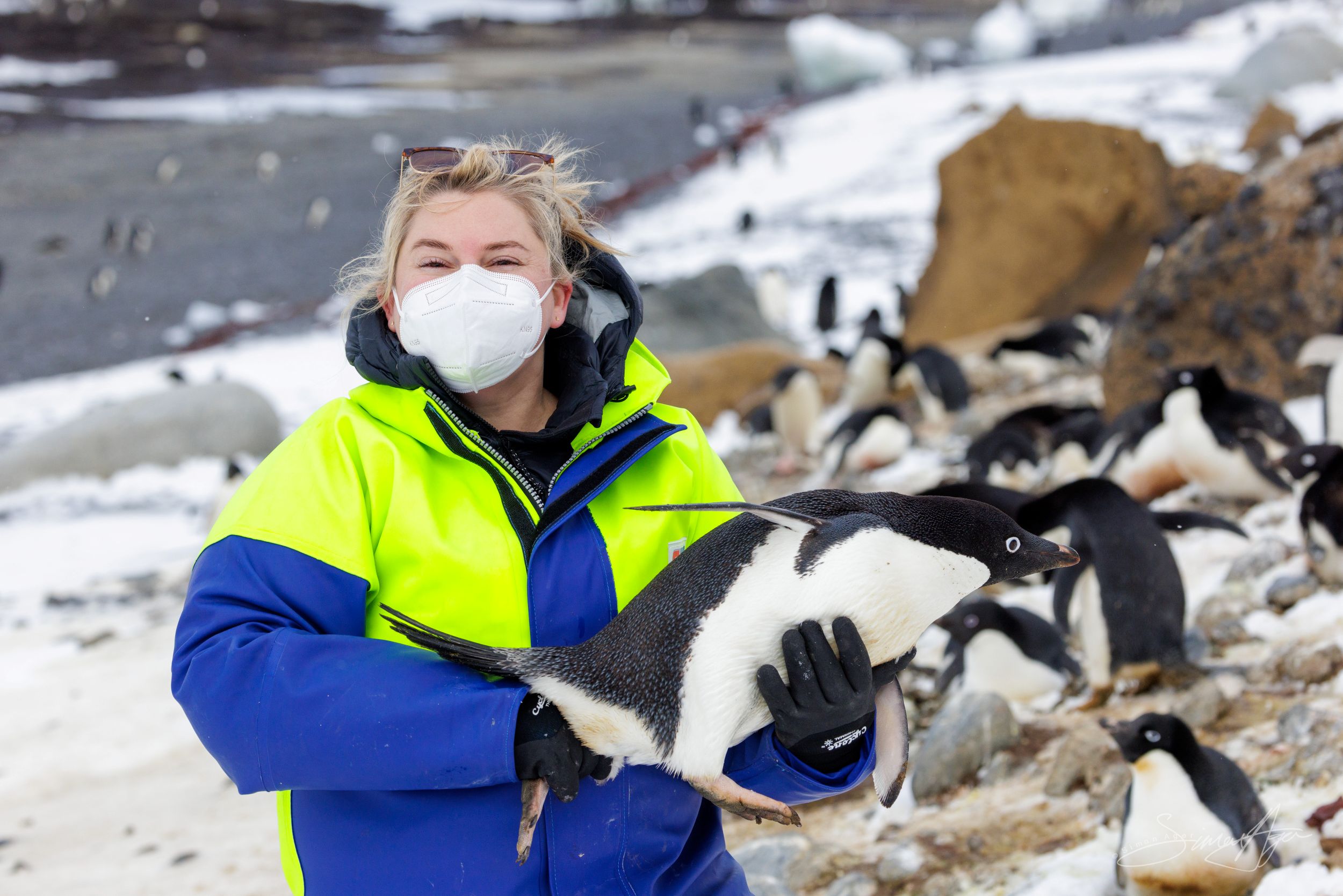
My research tackles one of Antarctica’s emerging threats: infectious diseases in a rapidly warming and increasingly visited Southern Ocean. Using genomic ‘detective work’, I track how viruses move through penguin, seal and seabird populations, with the long-term goal of predicting - and ultimately preventing - future outbreaks.
A highly pathogenic strain of avian influenza has devastated wildlife worldwide and has now reached the remote wildlife colonies of Antarctica. I’m leading an assessment of this outbreak in Antarctic wildlife, combining genomic sequencing, drone-based colony surveys and on-the-ground sampling to map how the virus is affecting penguins, seals and seabirds across the Southern Ocean.
Ultimately, I want to safeguard Antarctica’s unique wildlife by giving conservation managers rapid, genome-backed intelligence to head off disease outbreaks. Along the way, I hope to inspire the next generation of scientists to follow their curiosity into the polar regions.
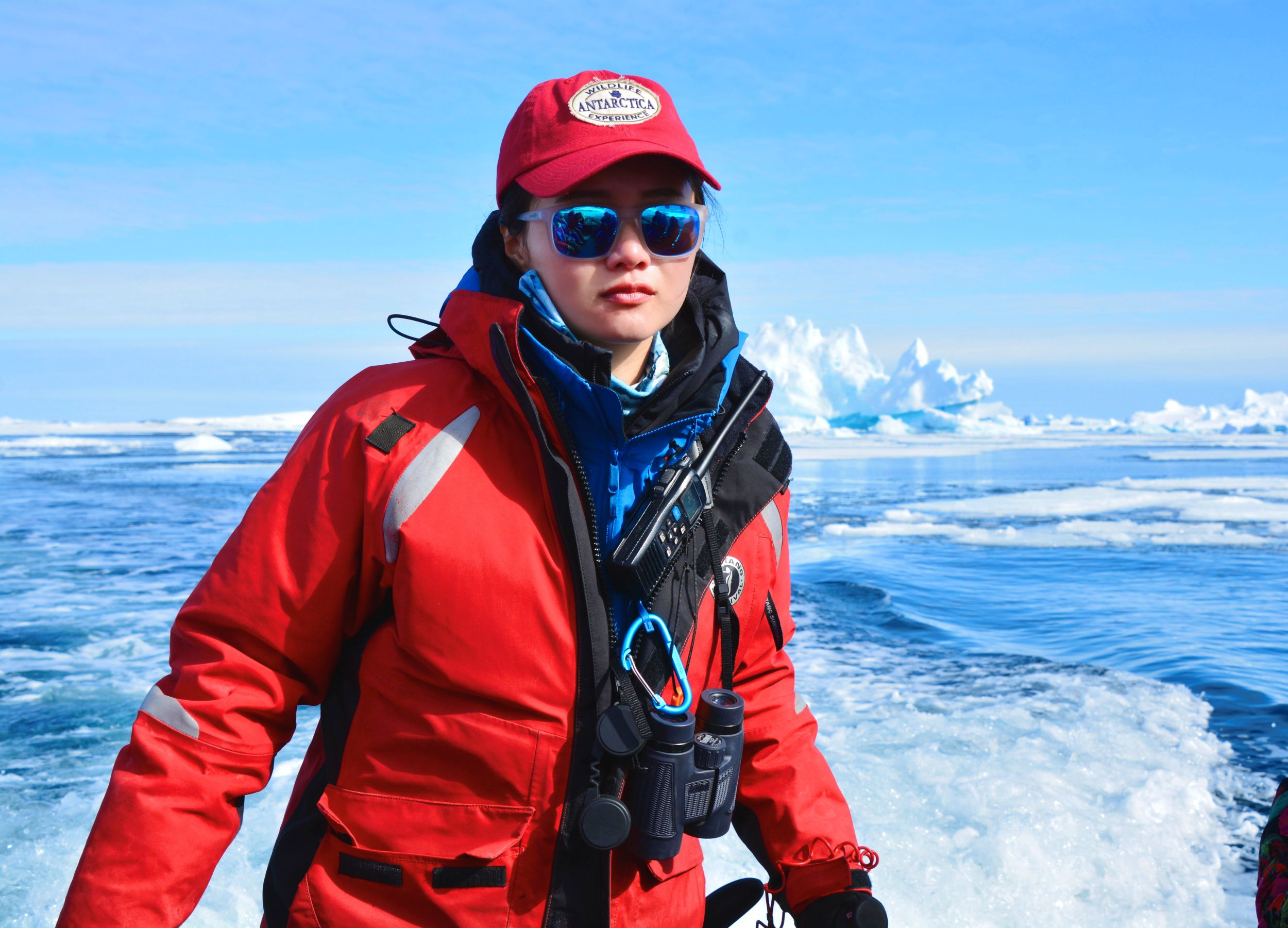
Dr Chen Zhao, Institute for Marine and Antarctic Studies
I'm absolutely thrilled to receive this award! It’s an incredible honour to have Antarctic science - and the outreach that brings it to life - recognised in this way. This award is a huge boost for me and my team as we work to make climate science more visible, urgent, and empowering.
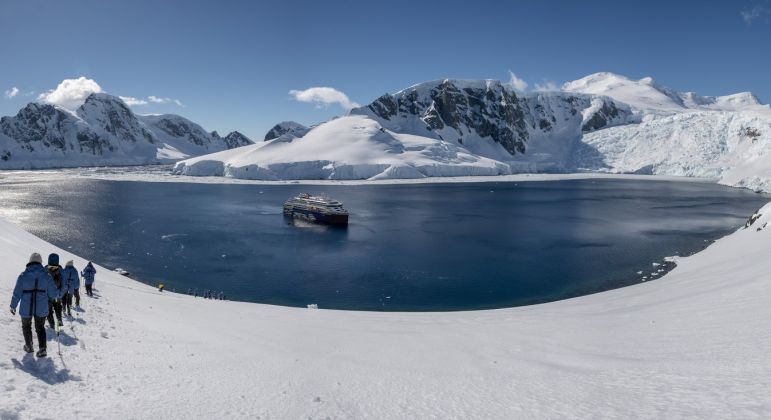
My research focuses on understanding how the Antarctic Ice Sheet is responding to a changing climate and what that means for future sea levels. My work uses powerful computer models to understand how ice, ocean, and climate systems interact, and how fast sea levels might rise as a result.
I’m currently leading an ARC DECRA project that combines ice sheet, ocean, and subglacial water modelling to tackle one of the biggest questions in climate science: how much ice will Antarctica lose, and how quickly? It’s the first time these complex systems are being modelled together at this scale.
Through my research, I want to deliver sharper, more useful sea-level projections that help people plan for the future - from Australian cities to vulnerable regions globally, like the Pacific Island nations. I also want to spark curiosity and action, especially among young people, by showing the rapid changes in Antarctica and how it affects us all.
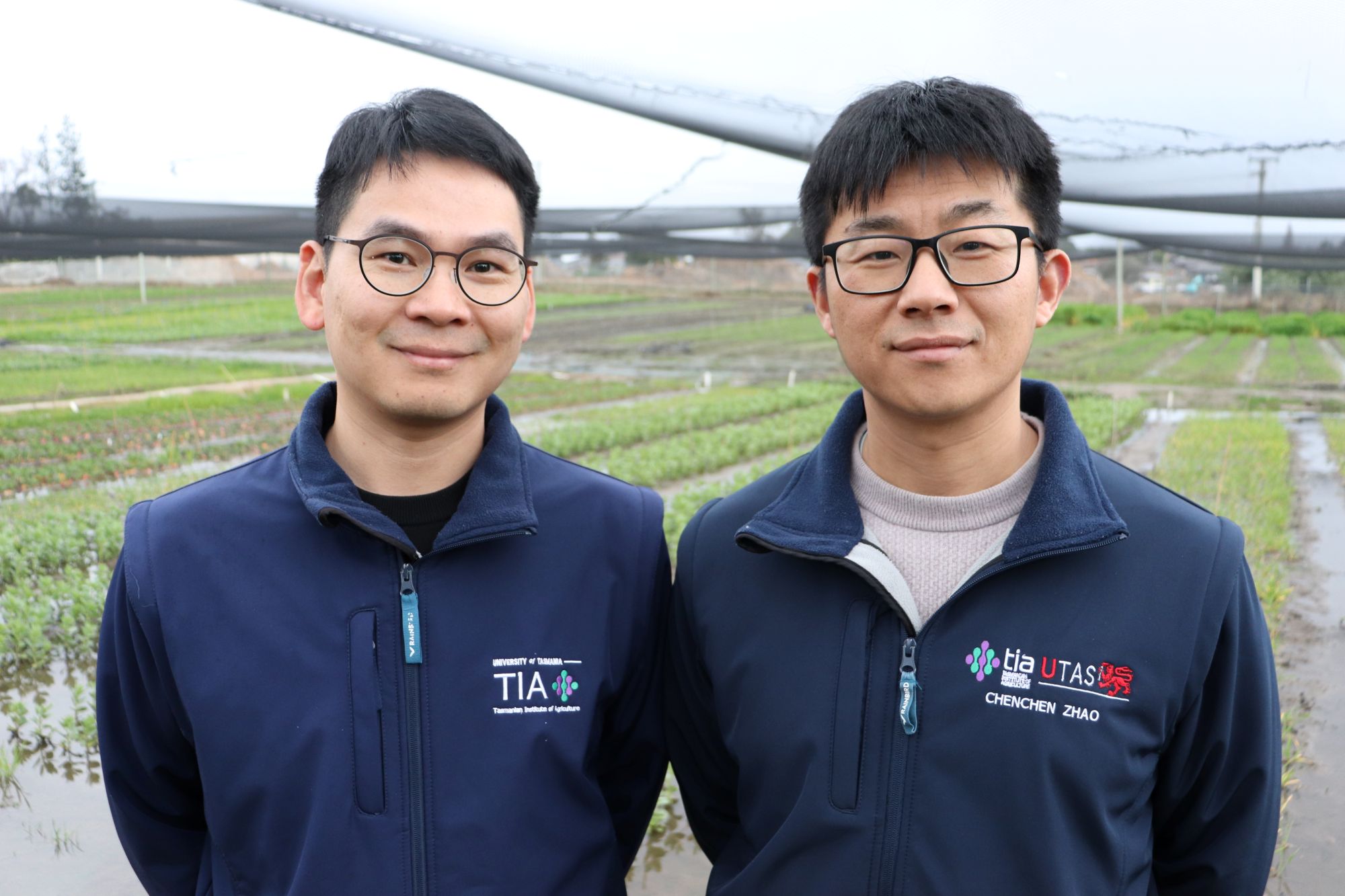
Dr Ke Liu, Tasmanian Institute of Agriculture
It’s an honour to be recognised with the 2025 Tasmanian Young Tall Poppy Award. My research focuses on helping agriculture adapt to the growing challenges of a changing climate, especially the increasing frequency of extreme weather events.
By using advanced modelling techniques, I aim to better understand how crops respond to climate stress like waterlogging, and to support more resilient and sustainable farming systems through improved crop rotations and decision-making tools.
Dr Chenchen Zhao, Tasmanian Institute of Agriculture
I’m honoured that my research work in plant genetics has been recognised with a Tasmanian Young Tall Poppy Award.
My research explores how plants cope with stress at both the physiological and genetic level, with the aim of making crops more resilient in the face of climate change.
A current project is addressing elemental toxicity, an often-overlooked challenge in Australian cropping systems caused by excess manganese and iron under waterlogged conditions. I hope my work can contribute to practical solutions to help farmers adapt to the challenges of a changing climate.
The 2025 Tasmanian Young Tall Poppy Awards Ceremony on Tuesday 19 August will honour these recipients and will conclude with the announcement of the Young Tall Poppy of the Year.