

As the climate continues to change, rising ocean temperatures and shifting currents are creating new challenges for fisheries worldwide.
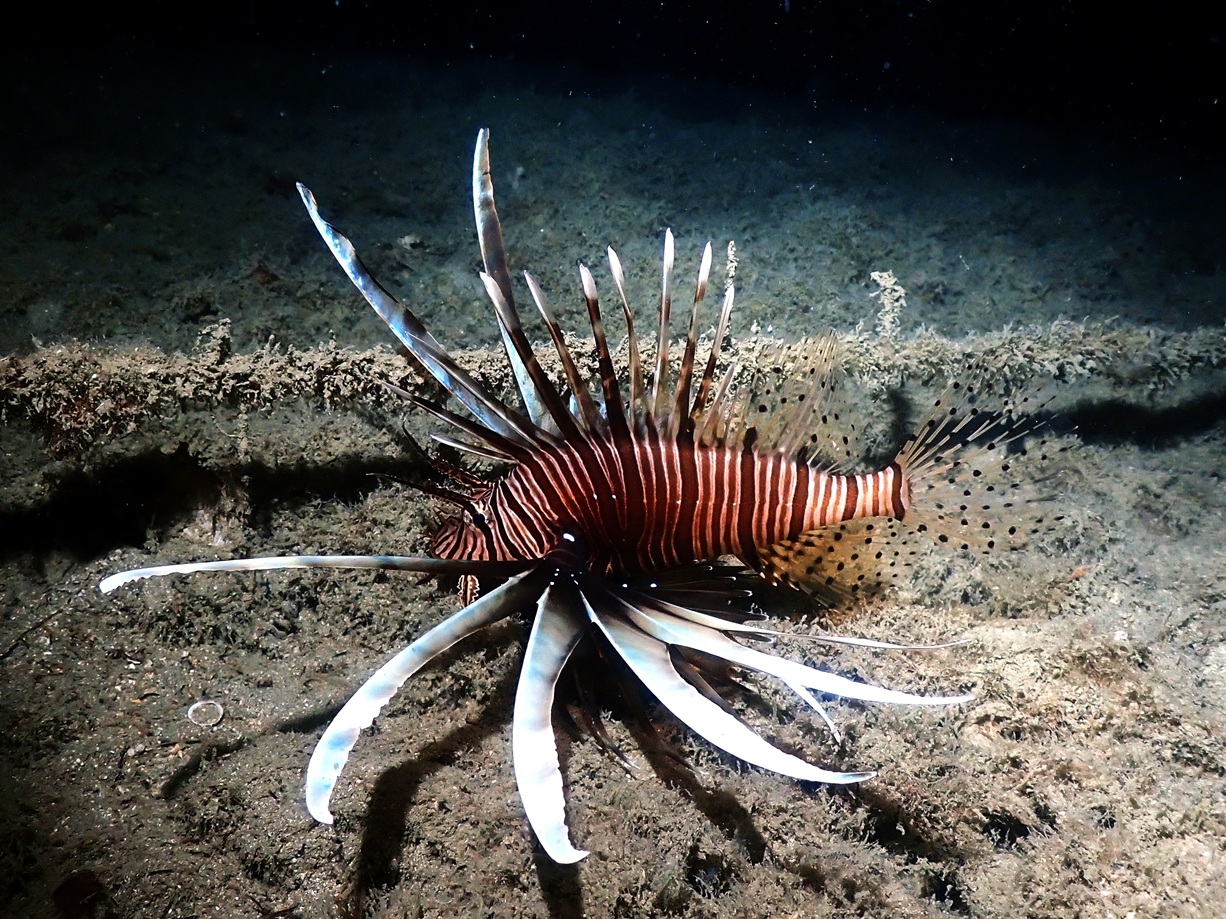
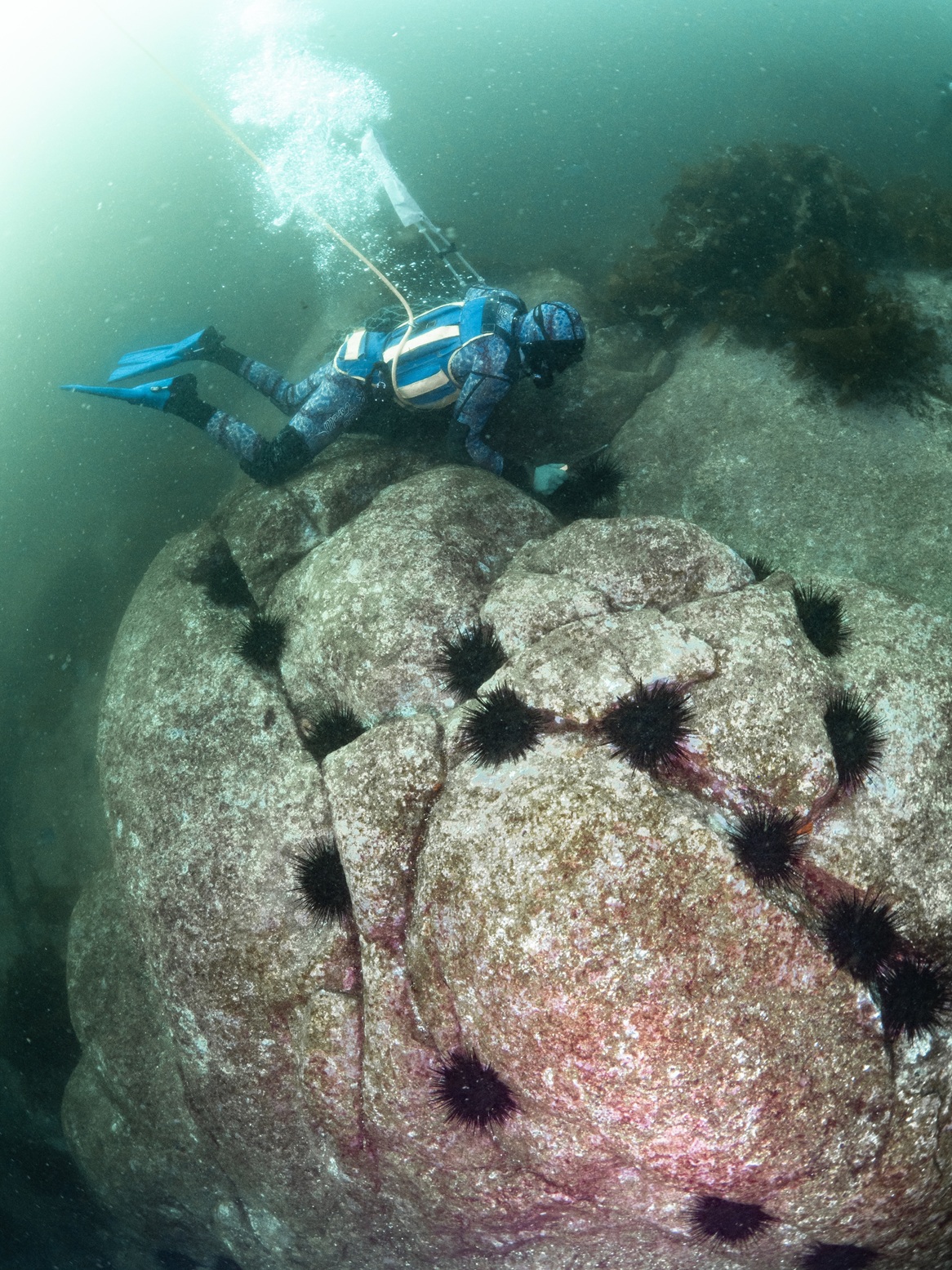
One growing threat is the spread of aquatic species, like the Longspined Sea Urchin’s range extension transforming reefs into barren seascapes along Tasmania’s east coast.
These aquatic invasive species are intensifying ecological and socioeconomic challenges for global fisheries.
But how can fisheries respond in a rapidly changing environment?
In a study published in Management of Biological Invasions, a team of international researchers, including Dr John Keane from the University of Tasmania’s Institute for Marine and Antarctic Studies (IMAS), outline adaptive management measures for fisheries responding to invasive species in a changing climate.
“For the first time, a group of world experts was brought together to evaluate management measures that can help fisheries respond to invasive species in a changing climate,” said Dr Ernesto Azzurro, lead author and researcher at the National Research Council in Italy.
"This process, supported by the Food and Agriculture Organization of the United Nations, has great value as it offers a practical guide that fishery managers worldwide can use to make informed decisions by assessing the opportunities and risks associated with each possible action.”
The research identifies nine key adaptive management measures to help fisheries respond to invasive species in a changing climate.
The research identifies nine key adaptive management measures to help fisheries respond to invasive species in a changing climate.
“These include developing commercial fisheries, promoting recreational harvesting, and creating market opportunities to capitalise on aquatic invasive species. Education, outreach and strong stakeholder engagement are also essential to build awareness and support co-management,” said Dr Azzurro.
“There is also a need for environmental responses. These may include spatial control in priority areas, carefully regulated biological control under strict safeguards, and ecological restoration to rebuild impacted habitats. In some situations, a ‘do nothing’ approach may be appropriate where intervention is impractical or risks cause further harm.”
The findings draw on 11 case studies, a global survey of 100 scientists, and an expert review panel of 21 scientists.
“As climate change reshapes aquatic systems and influences how invasive species spread, these strategies offer essential guidance for sustaining biodiversity, ecosystem services, and livelihoods in fisheries affected by invasive species,” Dr Keane said.
“Their success will depend on a series of specific factors, which often include coordinated governance, adaptive policy, and inclusive science-policy dialogue.”
The analysis provides flexible decision support framework informed by evidence, expert consensus and practical experience that can be used in fisheries management.
“The management of aquatic invasive species is inherently complex, shaped by the ecological intricacies of invasions, varying degrees of local capacity, and the unpredictability surrounding intervention outcomes,” said Dr Keane.
“Adapting fisheries to these evolving conditions requires context-specific strategies, informed by both ecological realities and socioeconomic conditions.
“It is crucial to integrate climate-resilient benchmarks into fisheries policy and practice that are context-specific, sensitive to system thresholds, and responsive to governance, compliance, and funding constraints.”
Dr Keane said the Longspined Sea Urchin is an example of this approach in action.
“The Tasmanian Government’s spatially adaptive harvest incentives have accelerated the commercial fishery and directed fishing effort to maximise ecological outcomes,” he said.
“It has led to over eight million Sea Urchins being harvested in Tasmania since the incentive program commenced.”
Cover image: Urchin barren in
Tasmania. Photo: John Keane