

Bree Fox spent much of her childhood in and around the ocean. Growing up in Port Fairy on Victoria's south-west coast, she snorkelled and spearfished with her family, developing a deep connection to the marine environment.
"My father worked in the fishing industry, and from a young age he taught me the importance of sustainable oceans," Bree said.
By the age of 14, she had commercial permits to dive for sea snails (periwinkles), later switching to work in the abalone industry.
Bree's early exposure to the wild-catch fishing sector gave her a firsthand understanding of the complex relationship between industry, conservation, and sustainable resource management.
"It opened my eyes to the importance of marine governance and the need to maintain healthy ecosystems."
Drawn to the University of Tasmania's reputation as a leader in marine and Antarctic science and law, Bree moved across Bass Strait to study a double degree, comprising a Bachelor of Marine and Antarctic Science and a Bachelor of Laws.
"As I looked at different universities around Australia, I was really impressed by the opportunities available through the Institute for Marine and Antarctic Studies (IMAS) and UTAS,” she said.
“The chance to study marine and Antarctic science on the Hobart waterfront was something I couldn't pass up."
Originally beginning her studies as a marine biology major, she soon found herself drawn to how marine environments are managed and protected, becoming increasingly interested in the policy, governance and decision-making processes that sit alongside the science. So, she changed her major to marine and Antarctic governance instead.
Meanwhile, her law degree – which started as a complementary degree – quickly became a significant part of her academic journey, helping her see how closely these two sides need to work together in addressing environmental challenges.
"You need people who understand the science, but also the policy, management and legal frameworks that sit around it."
The combination of law and marine and Antarctic governance has broadened her understanding of the complex issues facing our oceans and opened her eyes to a wide range of career possibilities.
One unit that particularly stood out was Governing Antarctica, which explores the international agreements and treaties that shape how Antarctica is managed.
"The unit really brought together everything I hoped my degree would offer, " she said. "It inspired my ambition to one day work in Antarctic law and governance."
Throughout her studies, Bree has embraced opportunities to explore different parts of the marine sector and gain practical experience outside of the classroom.
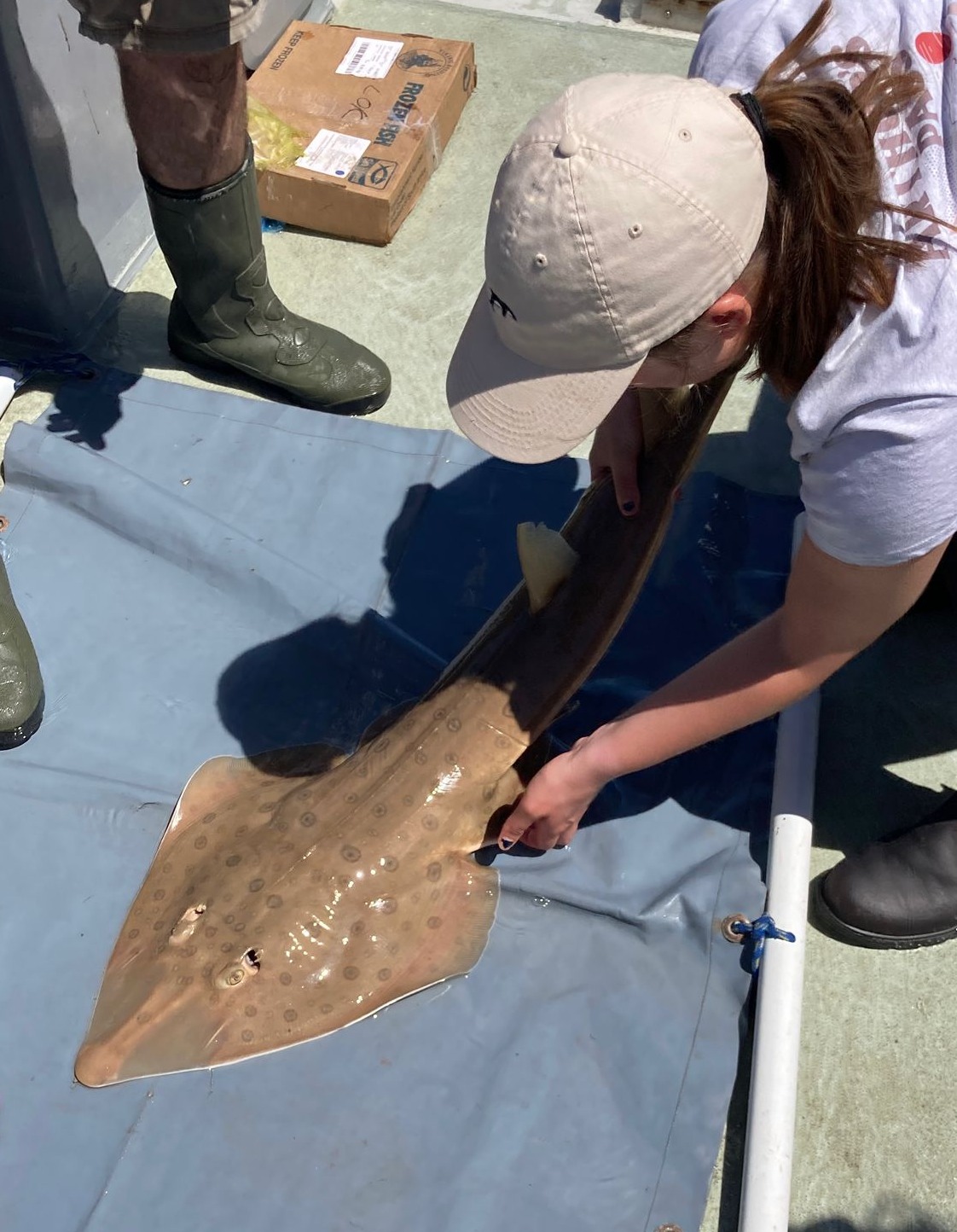
In 2024, she completed a fieldwork internship with the Oceans Research Institute in South Africa, where she assisted with shark research and ecological data collection.
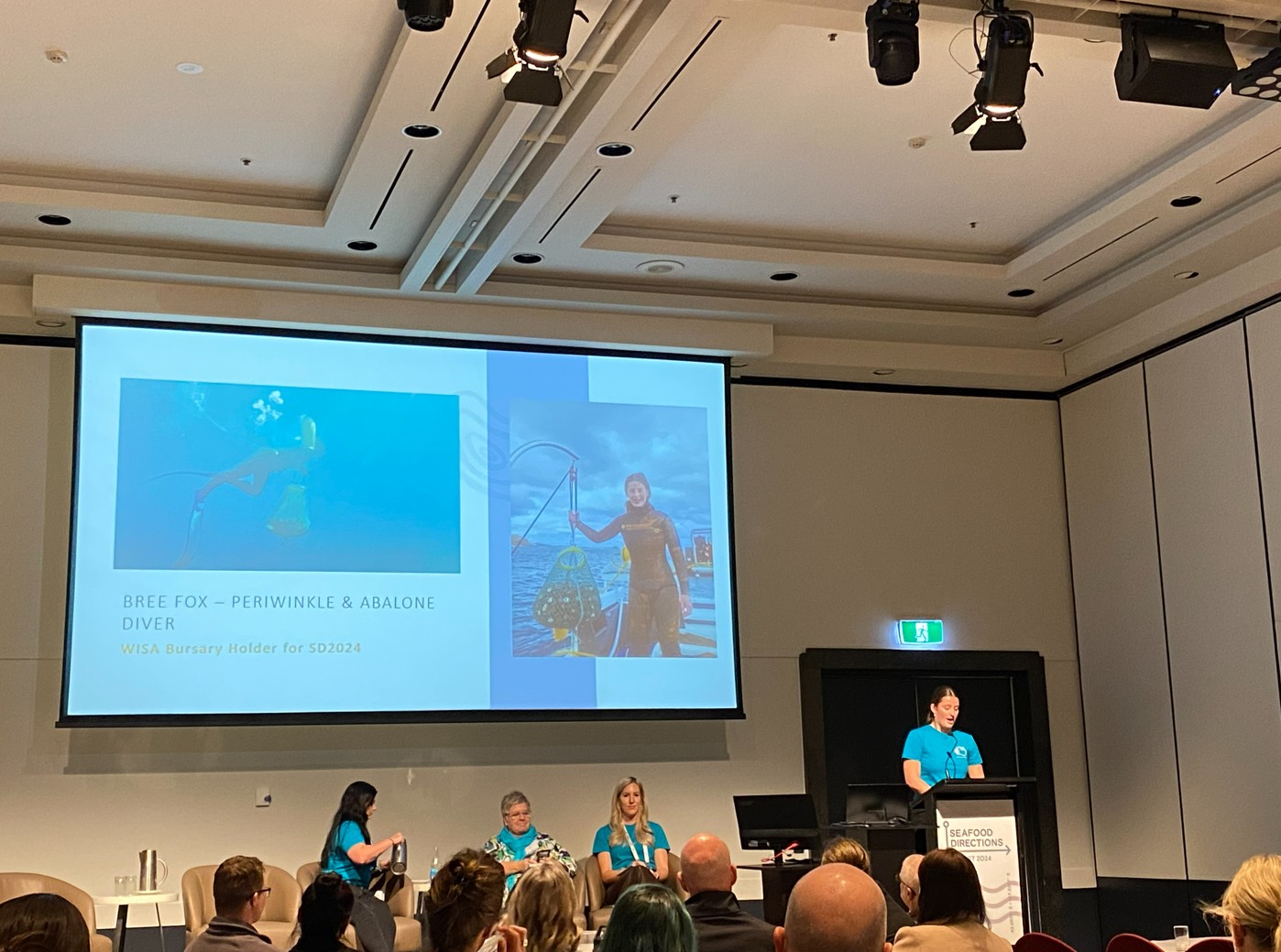
She also attended the Seafood Directions Conference through a Women in Seafood Australasia bursary, gaining valuable insight into the opportunities and challenges facing Australia's seafood industry.
Alongside these experiences, Bree has developed her advocacy and communication skills through mooting and negotiation competitions within the law school.
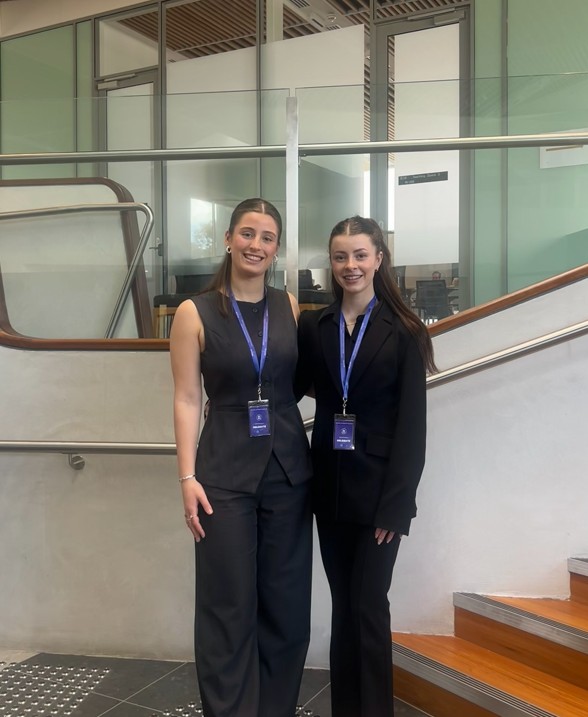
In August this year, she and her teammate won the inaugural Antarctic and Oceans Law Moot, a national competition which involved appearing in front of an esteemed bench including High Court Judge, Honourable Justice Beech-Jones.
For Bree, these opportunities have reinforced the value of bringing different disciplines together. And, by bringing science, policy and law together, she hopes to play a role in protecting the oceans that have shaped her life from the very beginning.
After graduating, she hopes to build a career focused on marine conservation and sustainable ocean management, potentially with organisations such as the Australian Antarctic Division or the Commission for the Conservation of Antarctic Marine Living Resources.
"Our oceans are facing increasing pressures from climate change, pollution and overexploitation," she said.
"Effective solutions require people who understand the science as well as the laws and policies that shape decision-making."