

Sarawak is a long way from Tasmania, but for academic and industrial designer Dr Mohd Najib Abdullah Sani, his university training is still front of mind.
Najib is known for developing the CABI Brace, the lightest brace ever designed for the treatment of clubfoot. So far, the brace has shown excellent results among patients in Sarawak and Penang. He hopes to extend the use into ASEAN countries, where issues of medical accessibility and affordability remain critical.
With two decades of experience in design education, research, and university-industry collaboration, Najib is now serving as the Deputy Director at the University Industry Centre (UnIC), Universiti Malaysia Sarawak. His focus? Bridging academic knowledge with practical, real-world applications, particularly in inclusive product design, ergonomics, and sustainable medical devices.
Beyond the lab and classroom, he actively promotes public awareness of early clubfoot treatment and hospital-based care.
Here we ask Najib some questions about his career and time in Tasmania, where he undertook a Master of Contemporary Arts (specialisation) in 2007, focused on sculpture:
What drew you to Tasmania to study? Memorable moments?
I began my journey in 2003 while working at Equator College in Penang. During that time, representatives from the University of Tasmania visited the college to promote their programmes. It was through these visits that I met both Professor Vincent McGrath and Professor Roger Fay, who often shared about the beauty of Tasmania and the strength of its academic environment.
At the same time, I was hearing consistently positive experiences from former students of the college who had gone on to study and graduate from the University, particularly from the School of Visual and Performing Arts (SVPA) and the School of Architecture and Design. Their experiences reinforced my decision and gave me a clear sense that UTAS was the right place for me to grow.
Professor Vincent McGrath later reviewed my portfolio, saw potential in my work, and encouraged me to pursue my studies at UTAS. That conversation became a turning point, and I later enrolled at the School of Visual and Performing Arts (SVPA), Inveresk Campus in Launceston.
I arrived in Tasmania in 2006, which marked my first Australian experience and a significant chapter in my life. During my time there, I formed close friendships, including Rex Heathcote and his wife Alison Andrews, Daniel Kershaw, Amelia Rowe, and Leah Robinson. I also had the opportunity to connect with SVPA academics such as Peter Hammond, Adrian Stabb, and David Hamilton, who contributed to a rich and supportive learning environment.
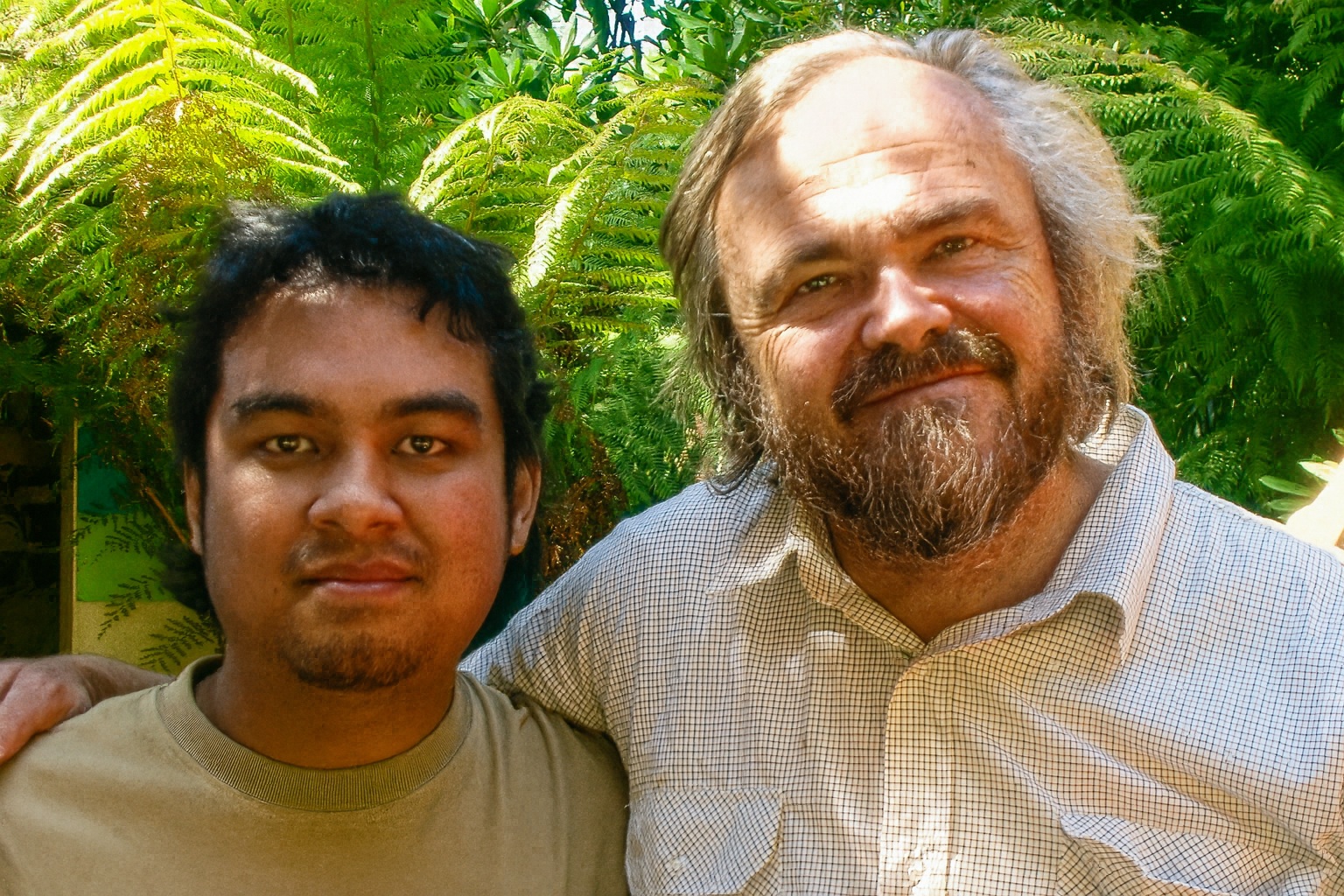
Beyond university, I was also fortunate to have what I would call an “Australian family” – Dr Michael Powell and Edwina Powell. They welcomed me warmly and treated me like one of their own. Dr Michael Powell, who passed away in 2021, was a historian and former academic at University’s Newnham Campus. My relationship with the Powell family remains strong to this day.
Academically, I was placed under the supervision of Dr Wayne Hudson, who was then the Head of the Sculpture Department. He is a highly respected sculptor and furniture maker in Tasmania. I felt very privileged to be his student, and it was always a proud moment whenever I was associated with his mentorship.
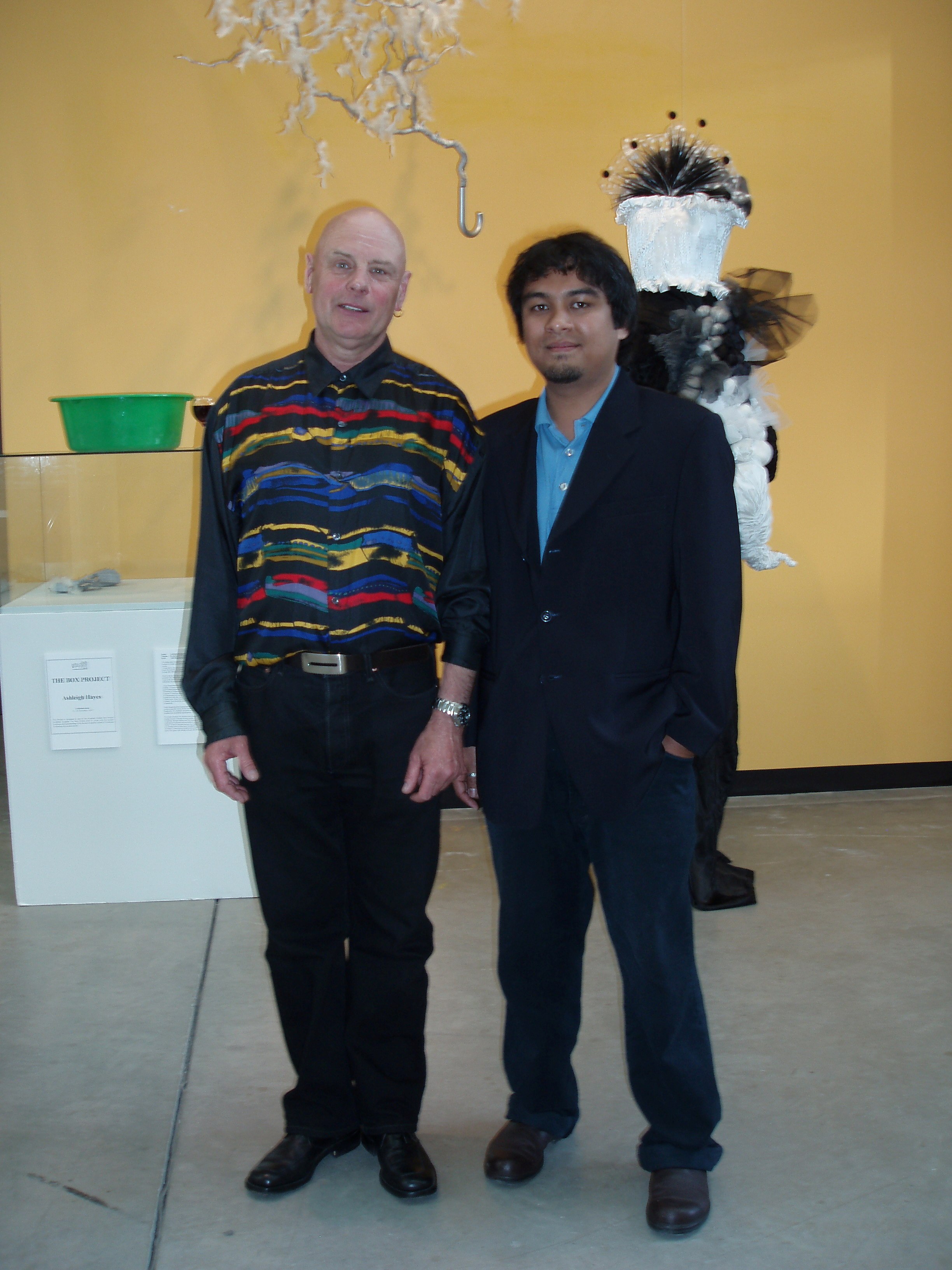
Among my most memorable experiences was serving as the President of the Malaysian Student Association, where I worked closely with the university on international student engagement and helped promote UTAS to prospective students. I was also honoured to receive the 2007 Sculpture Prize from UTAS SVPA, and my work was featured in The Examiner newspaper that same year.
Today, I am serving as the Deputy Director of the University Industry Centre at Universiti Malaysia Sarawak (UNIMAS), continuing my work in design, research, and industry collaboration.
What have been some of the highlights of your career so far? What are you hoping to achieve with your designs? Have you had feedback from users that has been meaningful?
I graduated with a Master of Contemporary Arts (Visual Art), and my time in Tasmania played a significant role in shaping how I approach design today. The art and design education there encouraged me to be more confident in my creative work and, more importantly, to apply design as a means of addressing real-world challenges through a user-centred approach.
Since graduating in 2007, my practice has evolved into a cross-disciplinary approach, with a strong focus on inclusive design, ergonomics, and healthcare. One of the most significant milestones in my career has been the development of the CABI Brace (pronounced “Cha-bee” Brace), an orthotic device designed to support children with clubfoot during post-correction treatment.
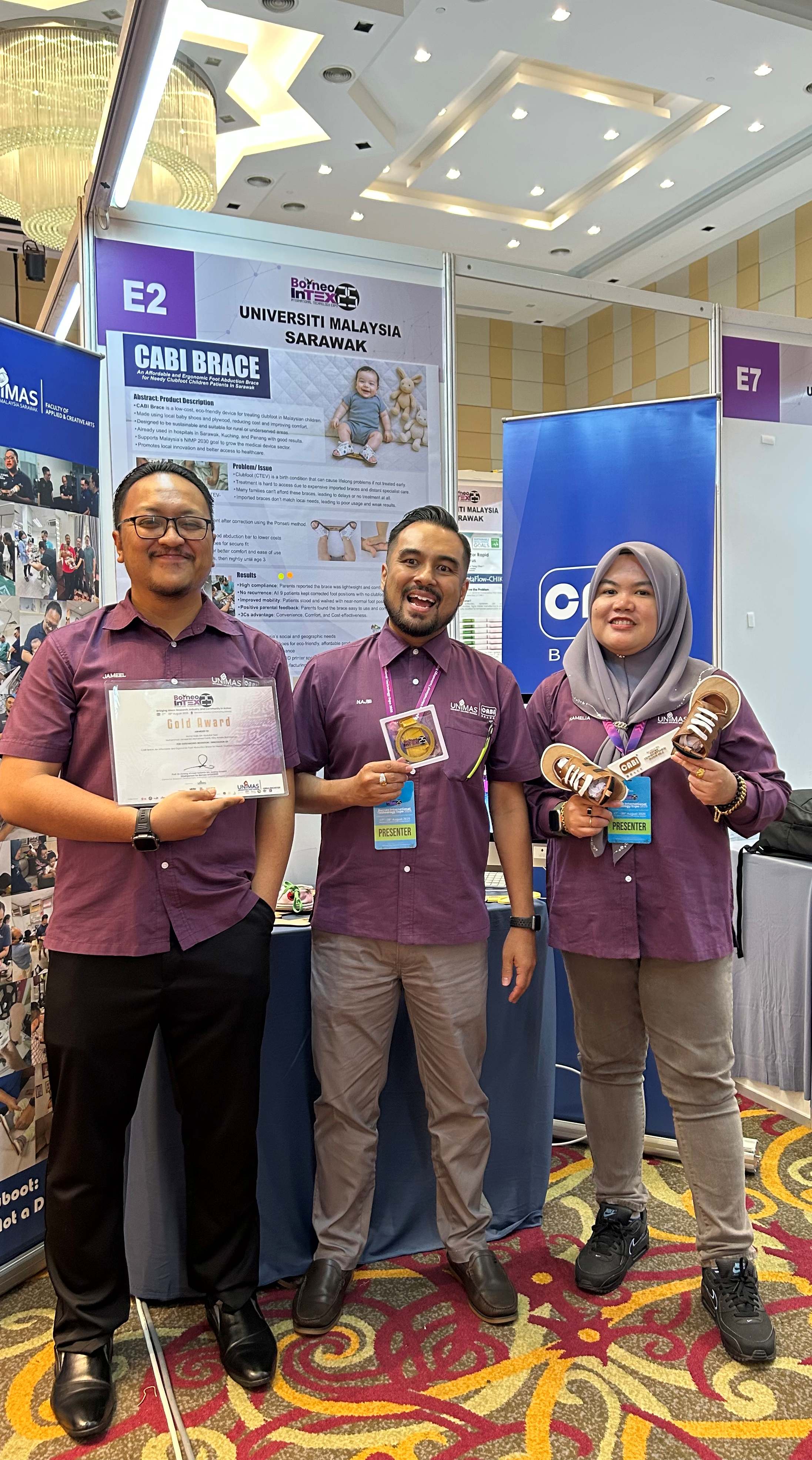
What makes this work particularly meaningful is not only the product itself, but the collaborative journey behind it – working closely with medical specialists, parents, and industry partners to translate design into solutions that have tangible impact. The brace is currently being used in clinical settings in Malaysia and has received broader recognition through features on national television platforms. It was also awarded the Gold Award at the Borneo International Technology & Exposition (InTEX25), reflecting both its research merit and innovation.
The most meaningful feedback comes from parents. Many have shared that their children are more comfortable wearing the brace and that daily routines have become less stressful. At the same time, it is deeply rewarding to see how the design improves brace compliance, supports post-corrective outcomes, and ultimately enables children to walk with confidence. Witnessing that progress firsthand continues to be a strong source of motivation.
The brace also brings a sense of hope, particularly for families from marginalised and underprivileged backgrounds, where access to affordable treatment remains a significant challenge.
My aim has always been to ensure that design outcomes are not only innovative, but purposeful, accessible, and grounded in real needs – bridging the gap between research and real-world application.
What have been some of the challenges you have encountered?
One of the key challenges has been translating research into real-world application.
Designing is one aspect, but ensuring that a product can be manufactured, accepted by medical practitioners, and sustained over time requires a different level of commitment.
Another challenge is building the right ecosystem – bringing together healthcare professionals, industry partners, and funding support. It requires persistence and long-term trust. In many ways, the work extends beyond design itself.
What are your hopes and dreams for the future in terms of your designs?
Looking ahead, I hope to continue developing accessible and practical design solutions, particularly in healthcare and inclusive design. I am currently working on scaling and improving the CABI Brace, with the intention of expanding its reach beyond Malaysia into ASEAN countries, where issues of medical accessibility and affordability remain critical, especially for underprivileged children requiring long-term treatment.
At the same time, I am exploring new areas of assistive design, particularly for children with different needs, including those on the autism spectrum. I see strong potential for design to support not only physical rehabilitation, but also comfort, behaviour, and everyday experiences for these children and their families.
Ultimately, my aim is to ensure that design outcomes are not only innovative, but meaningful, accessible, and able to make a real difference in people’s lives. I would like to express my sincere gratitude to UTAS for the quality education, and to the wonderful people who contributed greatly to shaping my thinking, both as an academic and as a person.
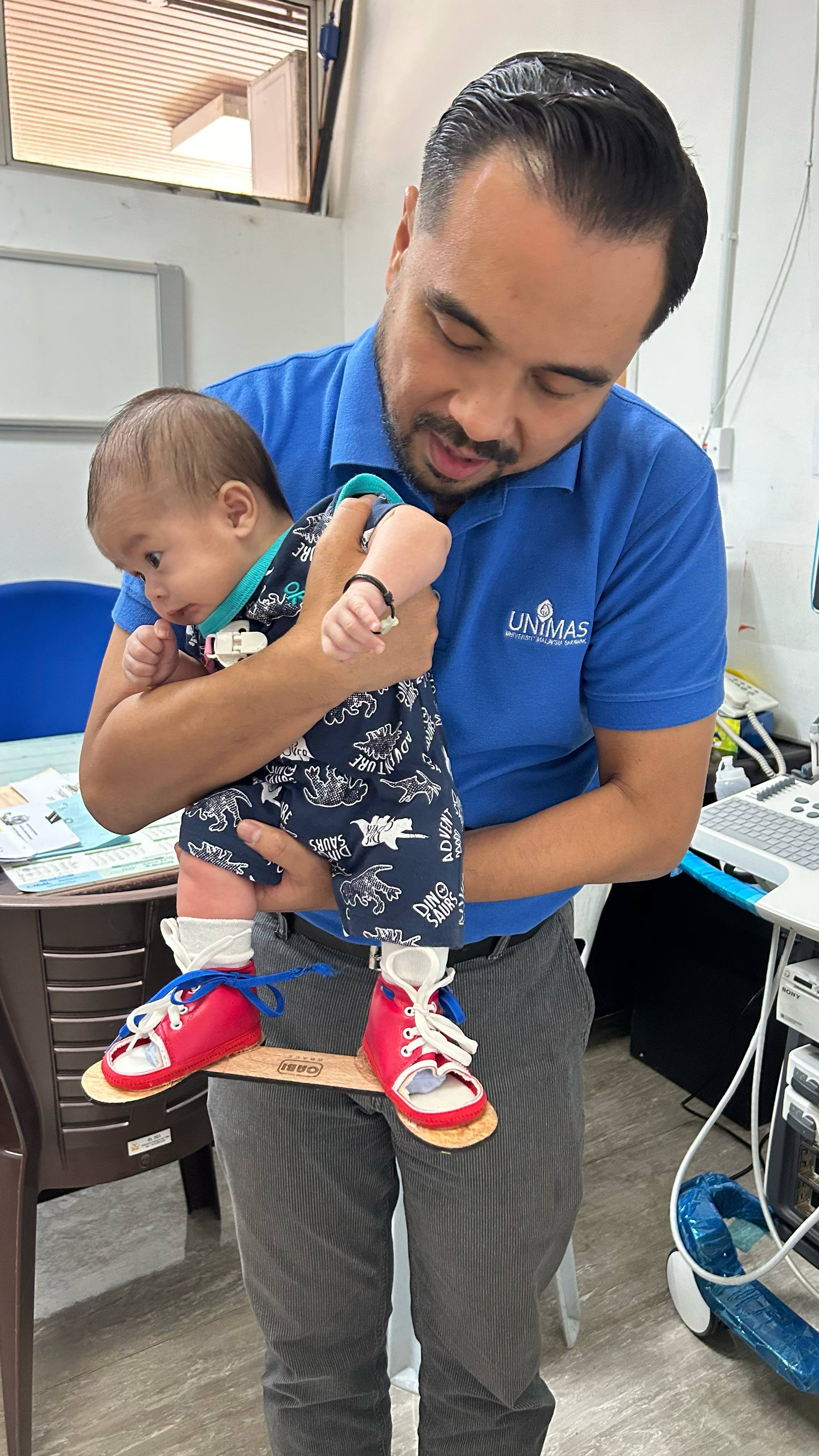
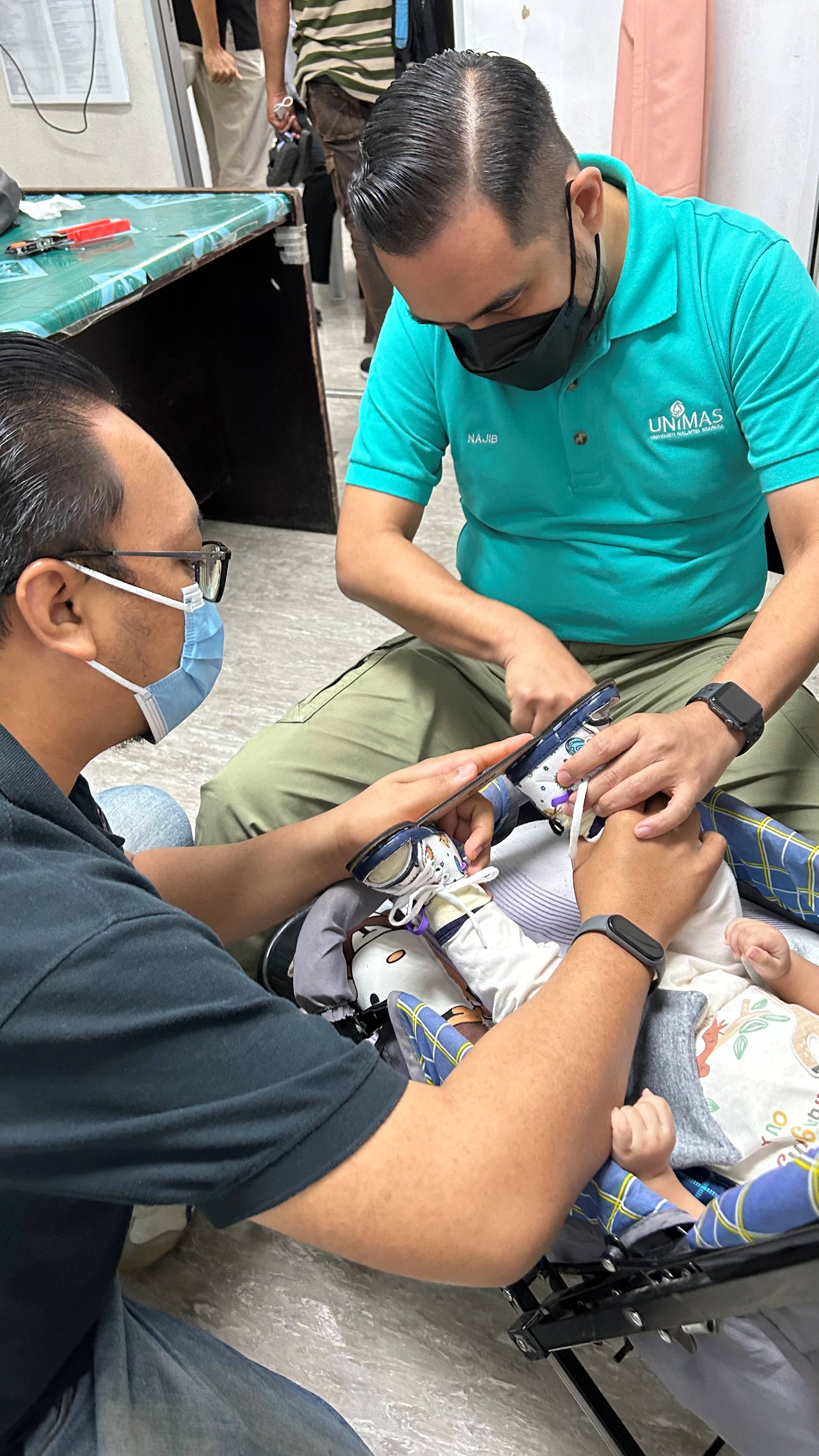
Image top right: Dr Mohd Najib Abdullah Sani
This article featured in the monthly eNews Alumni and Friends. If you are a member of the University of Tasmania community and would like to receive this publication, please provide or update your email address.