

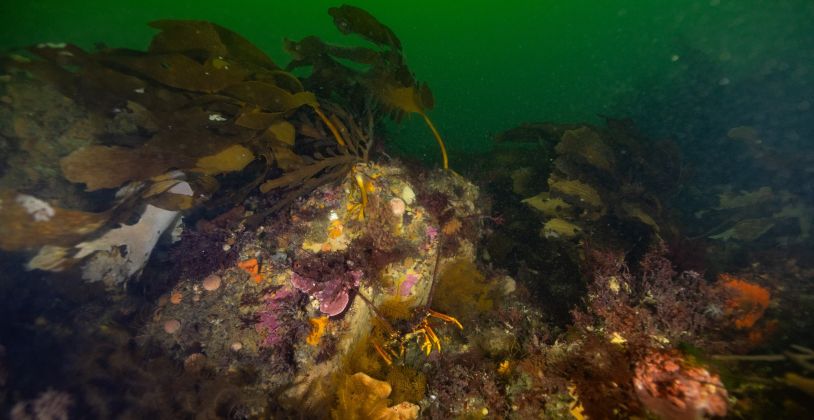

The unique ‘fingerprints’ of Southern Rock Lobsters will soon be traceable after scientists developed a new integrated artificial intelligence (AI) system aimed at creating transparency for the live export industry.
With the click of a button, researchers from the University of Tasmania’s Institute for Marine and Antarctic Studies (IMAS) have developed technology capable of tracing rock lobsters through processing and export using a simple image captured on a mobile device.
“We’ve created a non-invasive traceability system for live southern rock lobsters that is incredibly robust, scoring 100% accuracy on the test set and real-world data, with processing times of less than a second,” said Dr Dean Giosio, an aquaculture engineer at IMAS.
This AI model effectively removes the need for physical lobster tags.
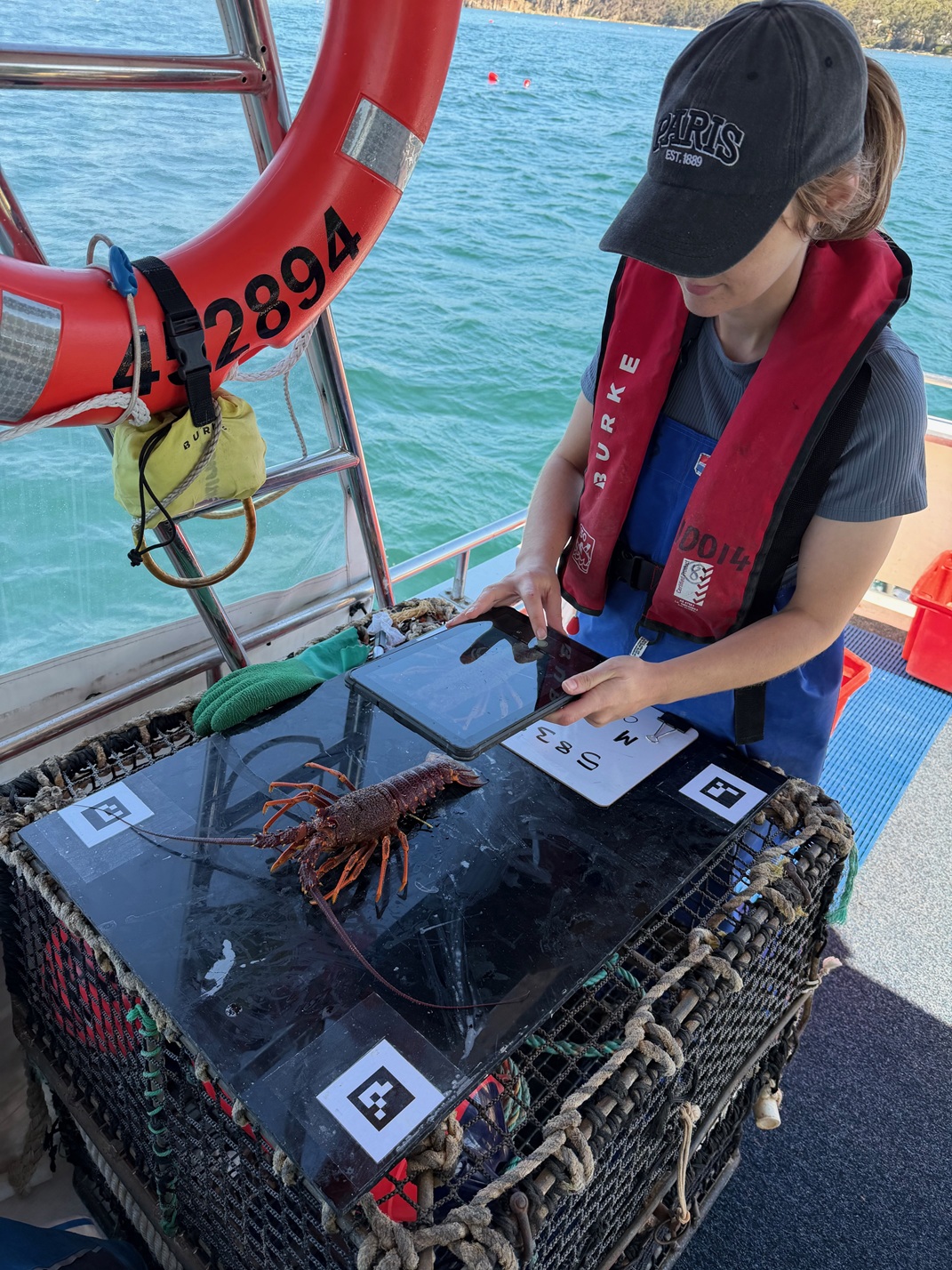
“Lobsters have unique patterns and the AI model recognises individual lobsters based on those features. It’s essentially a fingerprint which allows us to digitally tag lobsters,” said Dr Tara Kelly, a junior researcher in aquatic animal physiology at IMAS.
The project, led by Professor Quinn Fitzgibbon and completed in collaboration with Fiordland Lobster Company and the South Australian Lobster Company, involved capturing images of more than a thousand southern rock lobsters to train and test the machine-learning model.
Professor Fitzgibbon said having traceable rock lobsters is key for creating transparency and strengthening trust across the entire sector – for fishers, processors, exporters and consumers.
“Being able to verify where a lobster has come from and how it has been handled and transported creates reassurance for provenance claims and improves confidence in southern rock lobster as a premium product for Australia and New Zealand,” Professor Quinn said.
Fiordland Lobster Company Group CEO Jason Judkins added: “It also creates an opportunity to improve processing practices and strengthen data collection across industry.”
As research continues, there are significant opportunities for the fisheries and processing sector, with researchers now focused on operationalising the system in these environments.
“We will continue our research and train the model to automatically log information such as colour, sex, and damage, which we will integrate into a larger platform for industry to use,” said Dr Giosio.
“This will lead to automated grading to improve factory efficiency, reduce costs and most importantly reduce stress to the lobsters.”
Beyond post-harvest processing and export, the technology has the potential to transform the southern rock lobster fishery.
“If fishers catch lobsters that are too small or a female carrying eggs, they can take an image and return the lobsters to the water. There is then the potential to identify that individual lobster if they are caught again in a future season,” Dr Kelly said.
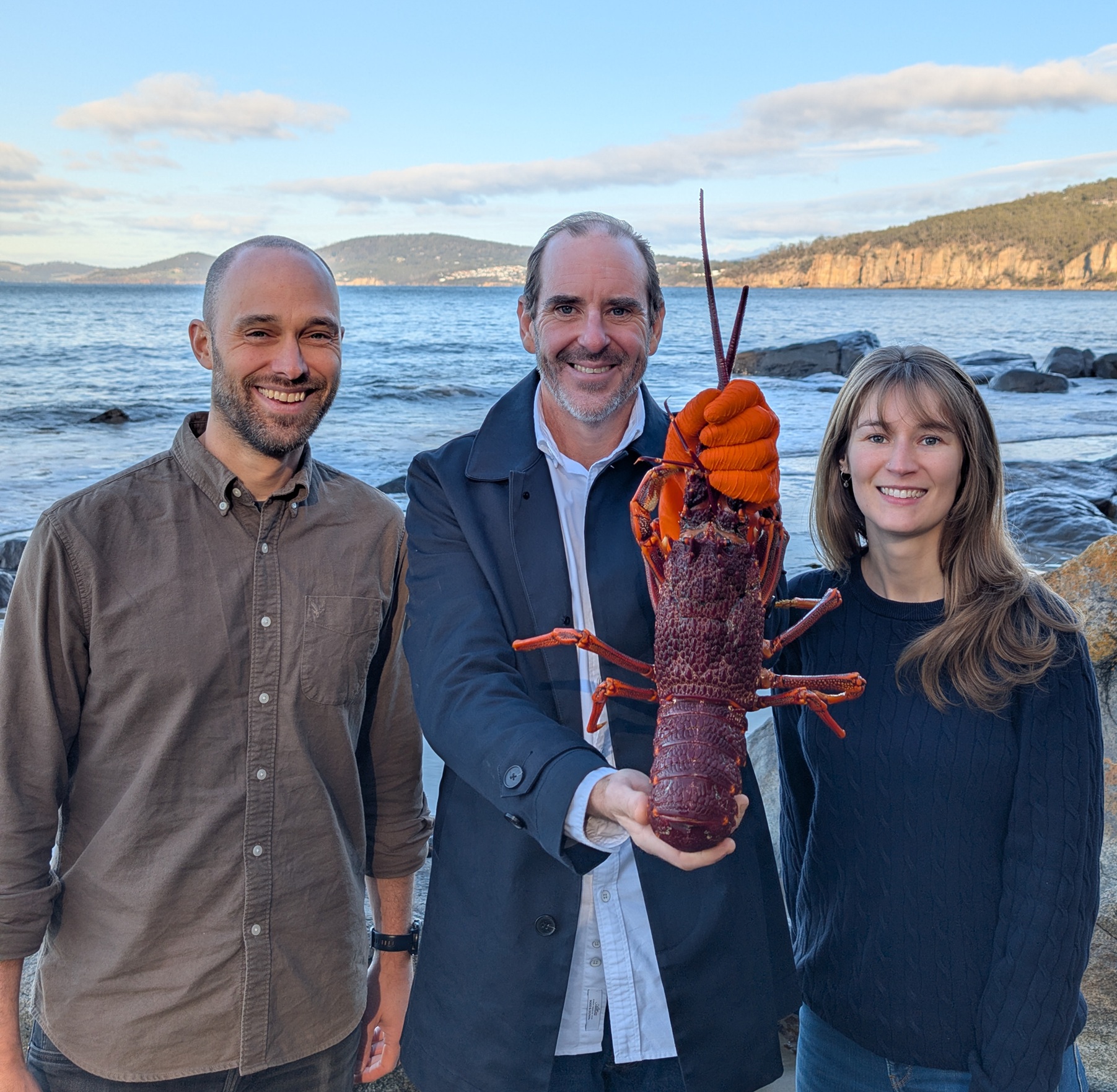
“From this information, we would be able to determine how far lobsters have moved and track their growth which is informative for sustainable fisheries management.”
The reidentification model works on images from lobsters collected three years apart, which have grown and undergone multiple moults.
“The lobster identification technology will be deployed via a website and phone app, which has the potential to support recreational fishers and citizen science. It would enable the public to contribute to lobster monitoring,” Professor Fitzgibbon said.
The Supply chain traceability of live Southern Rock Lobster exports project is funded by the iMOVE CRC and supported by the Cooperative Research Centres program, an Australian Government initiative.
Cover image: Capturing image of SRL
for AI training. Photo: Tara Kelly IMAS