

As the climate changes, ocean temperatures warm and ecosystems adapt, how do species like the Southern rock lobster respond to a changing environment? And could that affect fishing? That was a questioned asked by a rock lobster fisherman, who submitted it to Sea Change Australia.
Sea Change Australia connects fishers, aquaculture producers, industry, managers, and researchers to facilitate knowledge exchange and co-develop climate resilient options for strong and healthy fishing and aquaculture sectors in Australia.
Dr Samantha Twiname from the University of Tasmania’s Institute for Marine and Antarctic Studies (IMAS) explains.
A warming ocean can affect a Southern rock lobster in several ways, including changes to their physiology, interactions with other species, and their habitat.
While we can predict some impacts, others still need more research.
How might lobsters respond to a changing environment?
Looking at the effects of temperature on physiology, such as metabolism, growth, and feeding, is one way to understand how Southern rock lobsters respond to warming.
Southern rock lobsters perform best between 20 and 22°C, but average Tasmanian temperatures are below this. If summer temperatures exceed 22°C, a lobster’s performance may start to decline during the warmer summer months.
The range-extending Long-spined sea urchin also affects Southern rock lobsters by reducing productive reef habitat through the creation of urchin barrens.
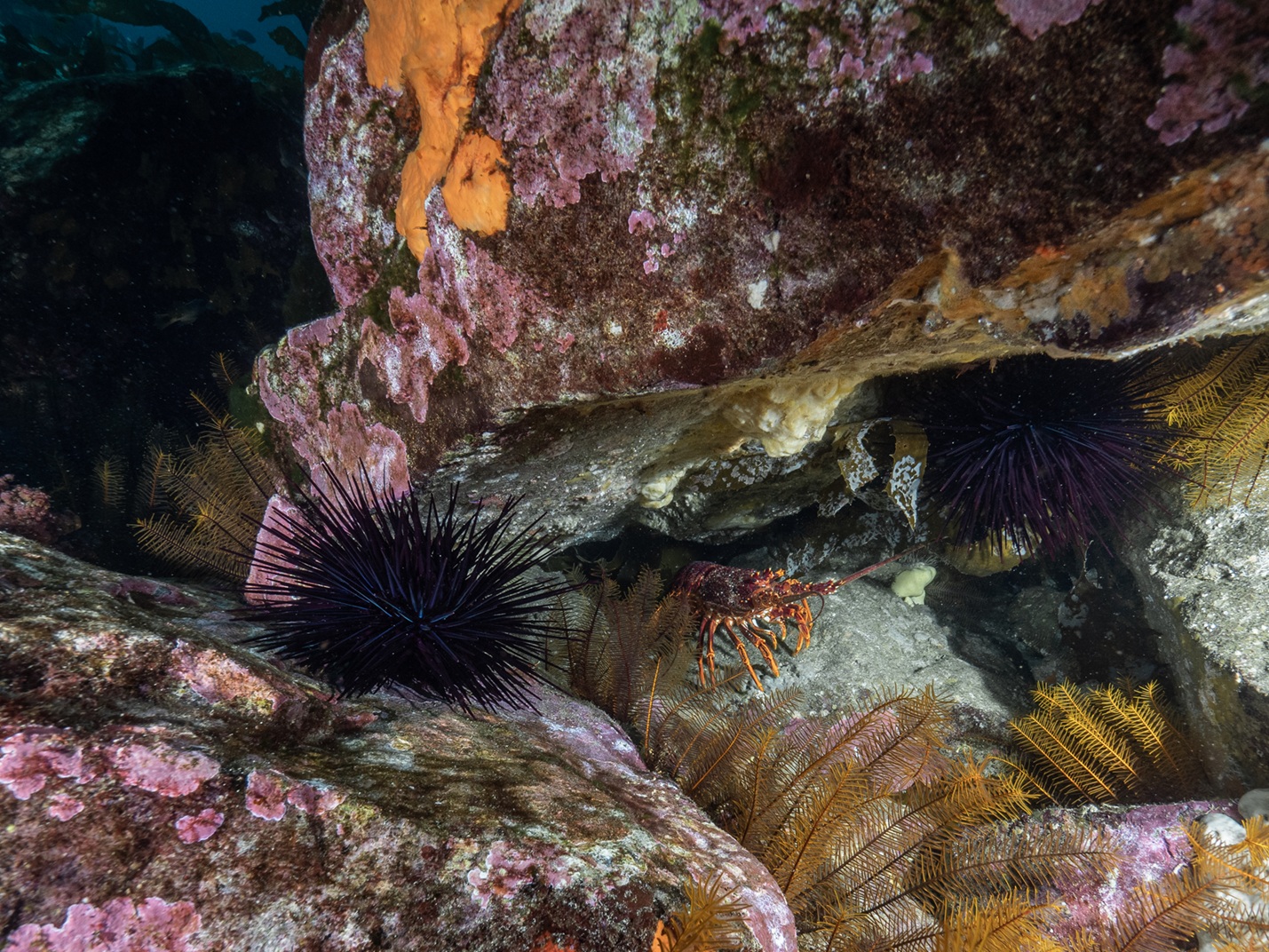
Another range-extender into Tasmania, the Eastern rock lobster, may also compete with Southern rock lobsters for food and shelter. But Eastern rock lobster numbers are still low, and Southern rock lobsters are strong competitors in food competition experiments.
Warming water temperatures could also affect predator-prey interactions as Southern rock lobsters have shown reduced responses to predator cues from octopus at higher temperatures which could increase their vulnerability.
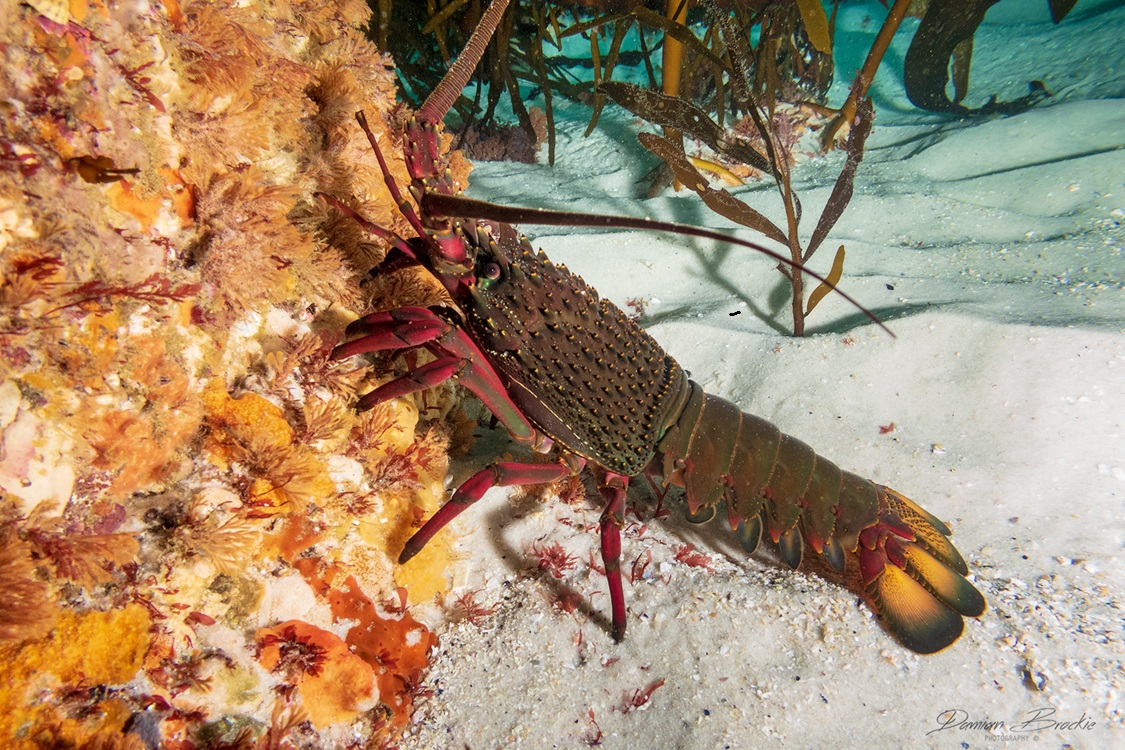
Marine heatwaves add another challenge. Research in New Zealand shows these events can reduce lobster condition, although recovery is possible. But most studies focus on temperature alone, and we still don’t know how multiple stressors – like warming in combination with acidification, low oxygen and other human stressors – may interact.
This is where more work is needed.
How will fishing be affected?
This is difficult to predict.
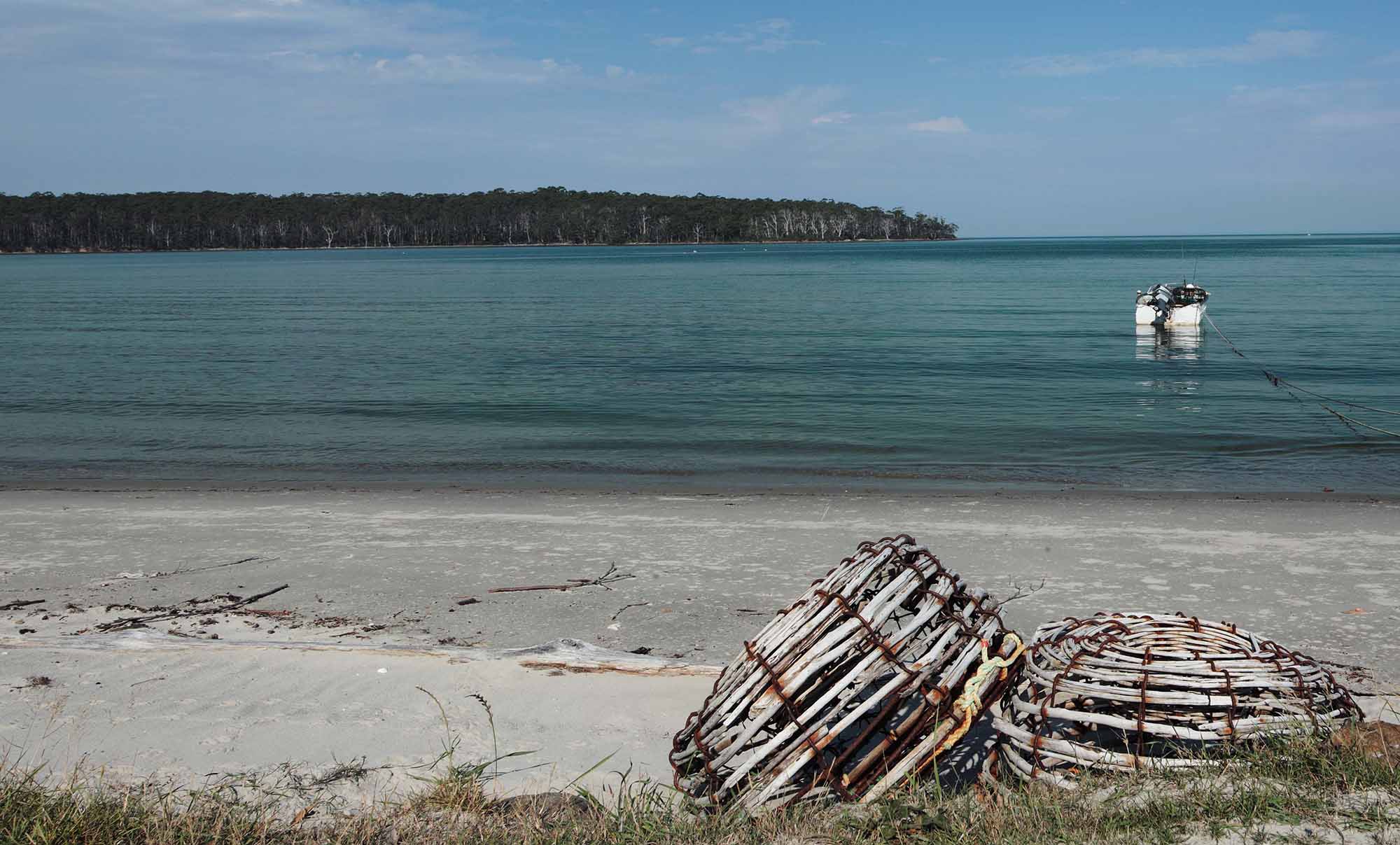
Changes in lobster abundance may affect local fishing spots. During marine heatwaves, lobsters may be in poorer condition, and events like algal blooms may also affect fishing seasons, as they did in Tasmania in 2015-16 and 2017-18.
But there are things you can do to help, such as reporting any changes you see in the marine environment through Redmap, Sea Change Australia, or your local fisheries manager or peak body.
Fishers are out on the water observing more frequently than we are as scientists, so you can help us better understand what’s happening by reporting any changes you see while fishing.
Do you have a climate question for the Sea Change Australia expert network? Submit them here: Ask a question – Sea Change Australia.
For more information on accessing climate information tailored to the fisheries and aquaculture sectors in Australia, visit Climate Toolbox – Sea Change Australia.
Sea Change Australia is an initiative of the University of Tasmania’s Institute for Marine and Antarctic Studies (IMAS) and Centre for Marine Socioecology (CMS). Sea Change Australia is funded by Fisheries Research and Development Corporation (FRDC) on behalf of the Australian Government: 2023-011 Sea Change: co-developing pathways to mitigate and adapt to a changing climate for fisheries and aquaculture in Australia.
Cover image: Southern rock lobster
Credit: Antonia Cooper IMAS