

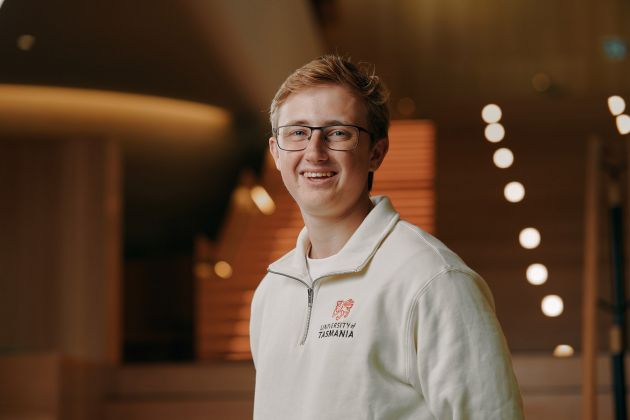
Noah Menner’s lifelong dream was to visit Antarctica and do scientific research at sea, a dream he was able to fulfil as part of his Oceans, Ice and Climate major in the Bachelor of Marine and Antarctic Science.
Growing up in Melbourne and Brisbane, Noah discovered the wonders of Antarctica early in childhood.
“I was in grade two, preparing for my first ever public speaking assessment and we had to talk about one place in the world which we would like to visit. My mum and I spent the night researching, and we eventually landed on Antarctica,” he said.
“The fascination grew from there. As I went through school, I began to love science, started to worry about the climate, and all paths led to studying Antarctica and the Southern Ocean.”
Driven by his need to make an impact, Noah decided to make the move to Hobart in 2022 to study a Bachelor of Marine and Antarctic Science with Honours at the Institute for Marine and Antarctic Studies (IMAS).
“Understanding ocean science is crucial, as the oceans control the climate and weather experienced globally,” he said.
“The oceans are also the largest sink of anthropogenic [human-caused] carbon dioxide emissions. Therefore, understanding the science of the ocean is crucial to modelling the impacts of climate change on our planet.”
His desire to contribute to what we know and understand about ocean science led him to choose the Oceans, Ice and Climate (OIC) major (previously Oceanography).
“I was drawn to the broad range of sciences taught in the OIC major, including chemistry, physics, geophysics and biology,” he said.
Throughout his degree, Noah was exposed to a range of units that developed his chemical, biological, and geophysical knowledge of oceanographic science. However, few units inspired him more than Oceanographic Methods, where he and ten of his classmates took part in a field trip on CSIRO’s ocean research vessel, the RV Investigator.
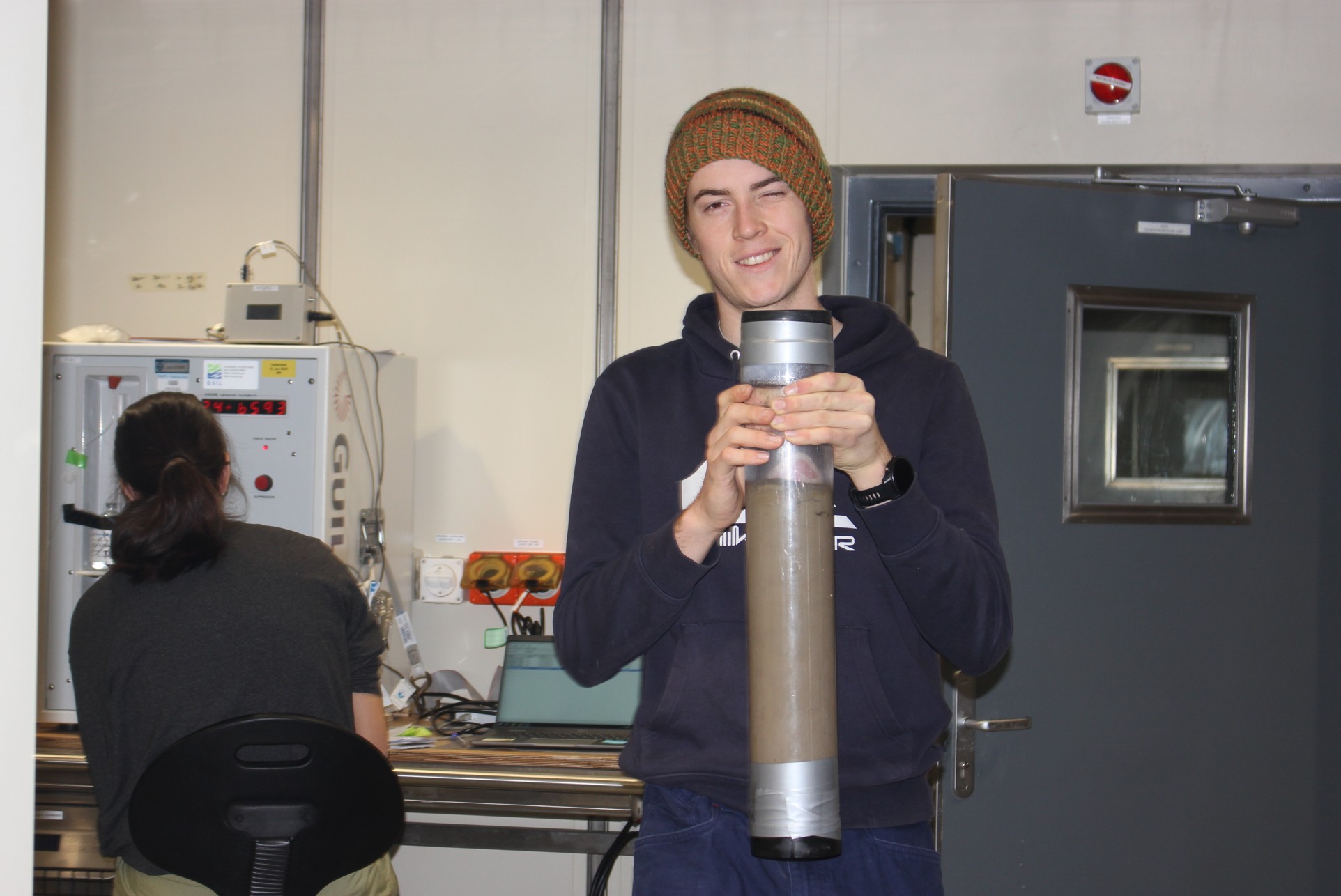
The selected students spent eleven days experiencing the life of an ocean scientist, as the ship travelled from Fremantle to Hobart.
As part of the experience, Noah participated in a range of scientific fieldwork. This included collecting samples from the Great Australian Bight, and deploying three biogeochemical ARGO floats, a technology that measures and transmits ocean data back to scientists.
His early involvement in the marine and Antarctic industry allowed him to not only work alongside a range of oceanographers but progress his ocean science career before completing his studies.
“Studying the OIC major brought me into contact with a range of oceanographers, and as a result, I was able to get experience volunteering and working in a laboratory at IMAS,” he said.
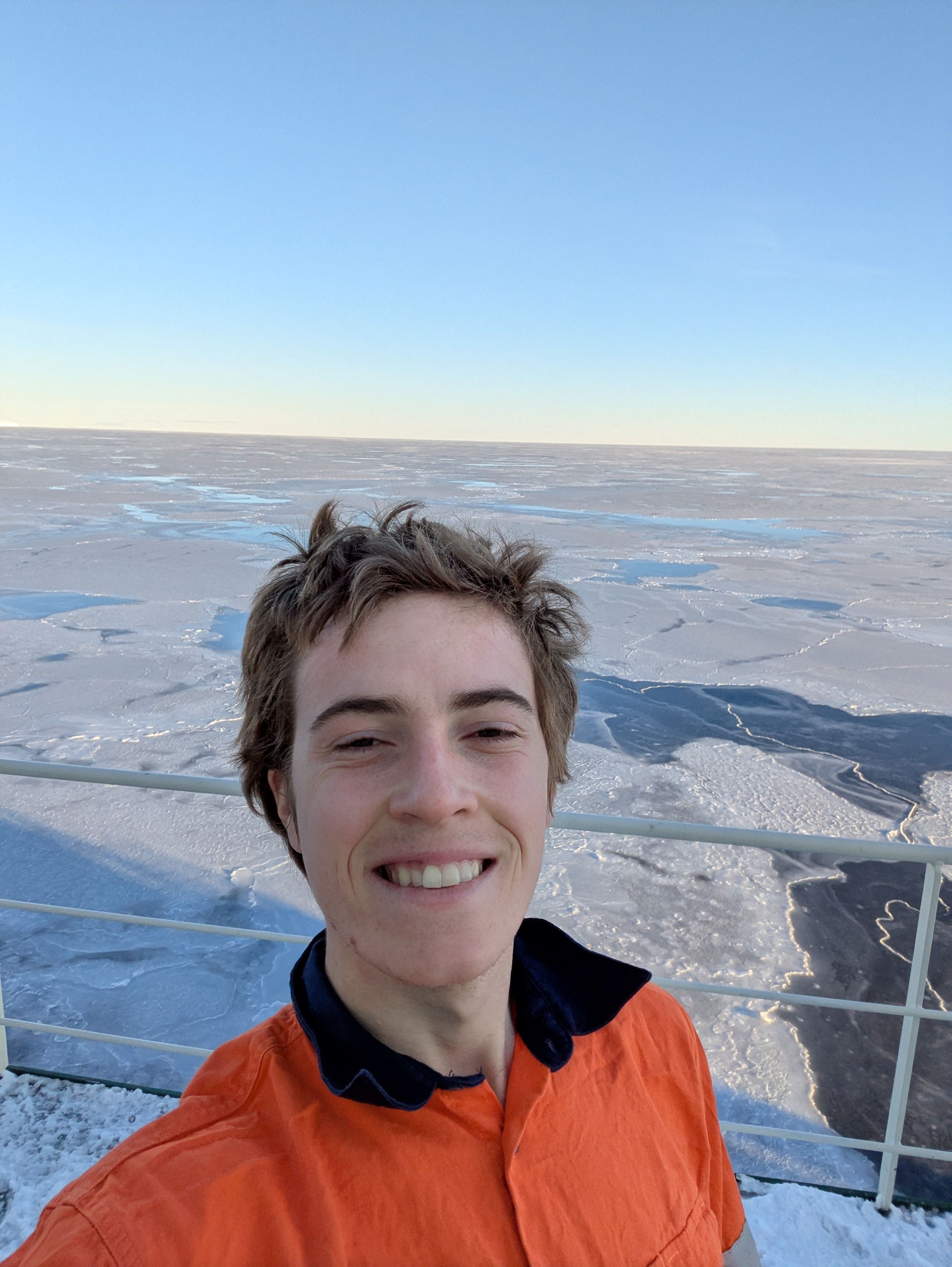
“The skills developed through this work, combined with my experience on the RV Investigator, have since led to opportunities to volunteer on research voyages to Antarctica and the Southern Ocean.”
For his honours research project, Noah investigated the movement of iron from the sediments of the East Antarctic continental shelf to the water column, a project that involved a two-month voyage on Australia’s icebreaker RSV Nuyina to the Denman Glacier in Antarctica, a life changing experience for the young scientist.
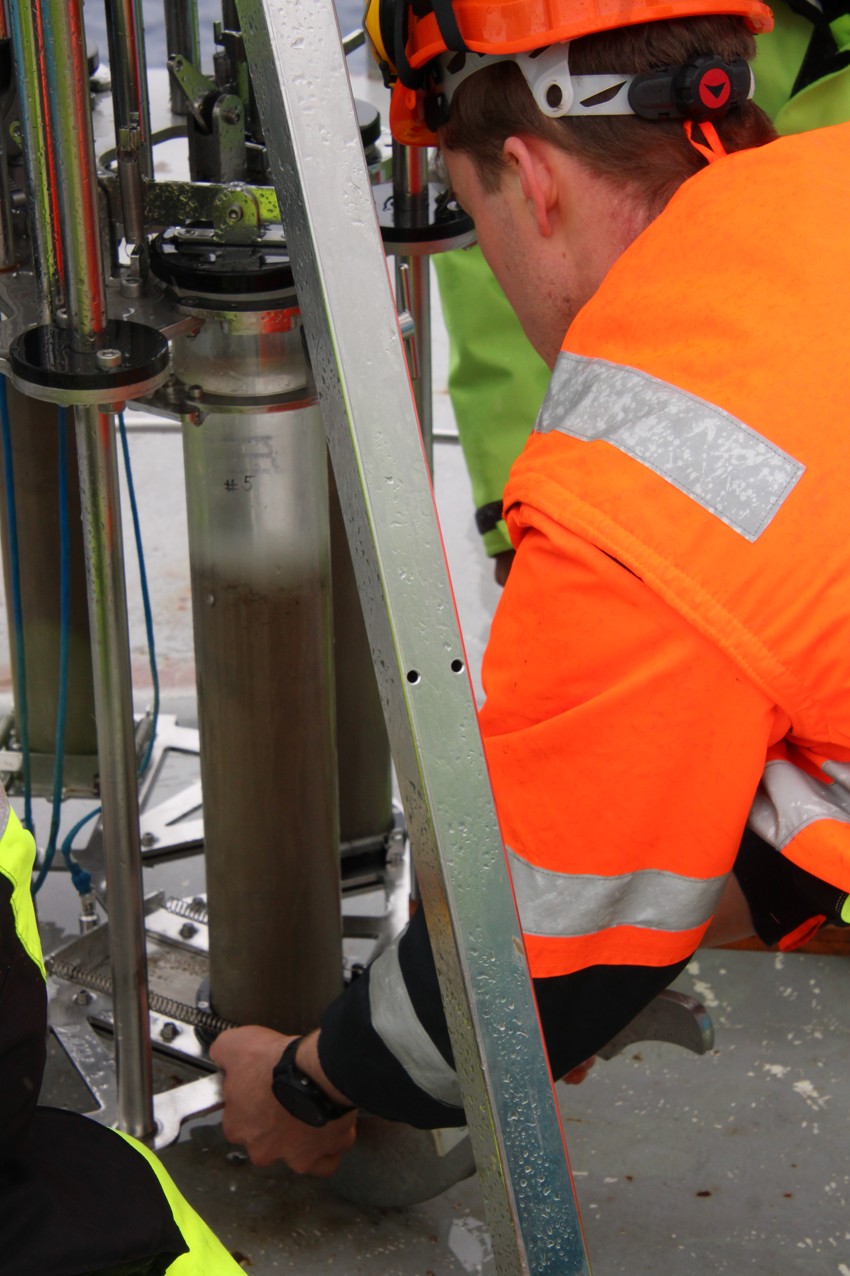
“This research is important to understand the sources of iron in the Southern Ocean, as iron is the major limiting factor for phytoplankton growth, and therefore the drawdown of carbon dioxide in the Southern Ocean and Antarctic waters.”
Noah has recently started his PhD candidature, researching the change in distribution of trace elements in the Southern Ocean.
“Post-PhD, I will have a choice of staying in academia or continuing with an ocean-related career, with employers such as CSIRO or the Australian Antarctic Division.
“I hope to make a difference by improving our understanding of Antarctic and Southern Ocean science and conveying the importance of these systems to the general public and decision makers.”