



From protecting Tasmania’s valuable potato industry against disease to exploring opportunities in alternative protein crops and reducing the environmental footprint of vegetable production, agricultural research is helping to position Tasmania’s horticulture industry in a changing world.
More than 100 farmers, agronomists, researchers and industry representatives will come together on 25 November 2026 at the Tasmanian Institute of Agriculture’s (TIA) annual Vegetable Research Facility Field Day at Forthside in North-West Tasmania to explore the latest research and innovations supporting the sector.
A key focus of this year’s event is the importance of collaboration between researchers and industry to address increasingly complex agricultural challenges and capitalise on emerging opportunities.
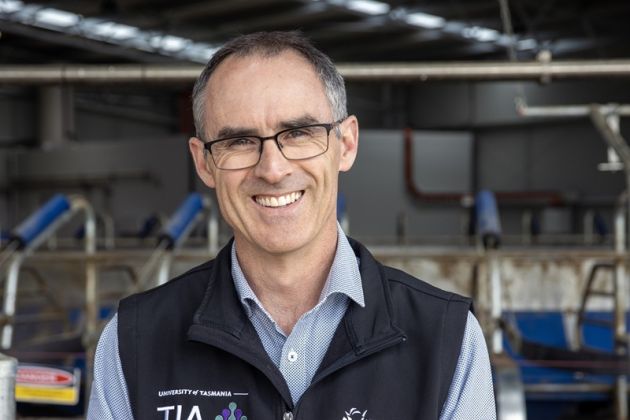
TIA Director Professor Mike Rose said investment in agricultural research, development and industry engagement was critical to maintaining Tasmania’s reputation as a producer of high-quality agricultural products and supporting the continued growth of the State’s farmgate value towards $10 billion by 2050.
“Tasmania has a competitive advantage in horticultural production, but we cannot afford to be complacent. Our farmers are navigating rising input costs, climate variability, evolving biosecurity threats and changing market expectations, while striving to maintain productive and profitable businesses,” Professor Rose said.
“Agricultural research has an important role in helping industry respond to these challenges, but equally important is our ability to look ahead, anticipate emerging issues and identify new opportunities for growth.
“By working closely with industry, we can ensure our research is addressing the issues that matter most to Tasmanian farmers and delivering practical outcomes that make a difference at the farm gate.”
Today’s event will feature a panel discussion with representatives from Simplot, Sumich, Premium Fresh and Wynyon exploring the value of integrated research and why collaboration is more important than ever.
Local growers will also share their perspectives on the benefits of grower-led research and development in partnership with research organisations.
The program will explore the future of potato disease management, opportunities for growth in Tasmania’s vegetable seed industry, advances in remote sensing technology to detect winter dieback syndrome in pyrethrum, and the relationship between soil health and bean production.
Attendees will also hear about research into high-protein fava beans and the potential opportunities presented by the alternative protein market, as well as an update on Tasmania’s biosecurity landscape.
Professor Rose said TIA’s Vegetable Research Facility was an important asset for Tasmania’s agricultural industry, providing a dedicated environment to undertake research at a scale relevant to commercial growers.
“One of the great benefits of having a dedicated research farm is our ability to test new ideas, technologies and management practices without exposing commercial farming businesses to the associated risks,” Professor Rose said.
“We can generate robust scientific evidence under local growing conditions, giving Tasmanian farmers greater confidence when making decisions about adopting new practices or investing in new technologies.”
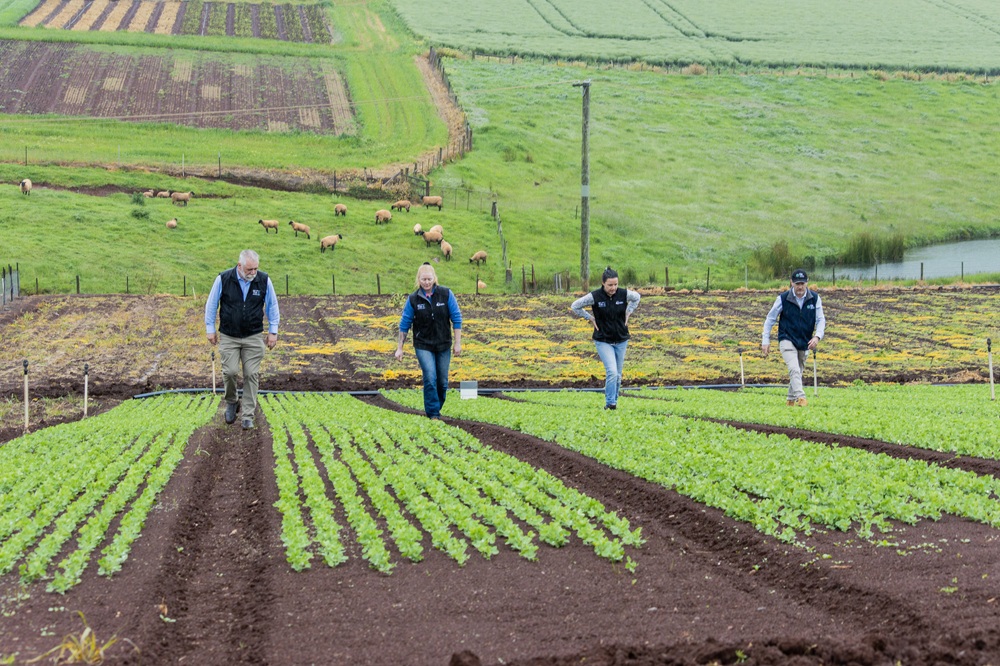
A guided farm walk will provide attendees with an opportunity to see research trials firsthand, including progress on the establishment of a zero net emissions horticulture demonstration farm.
“Field days are an important part of what we do at TIA. They provide an opportunity to get research out of the laboratory and into the hands of farmers, while creating valuable opportunities for researchers to hear directly from industry,” Professor Rose said.