




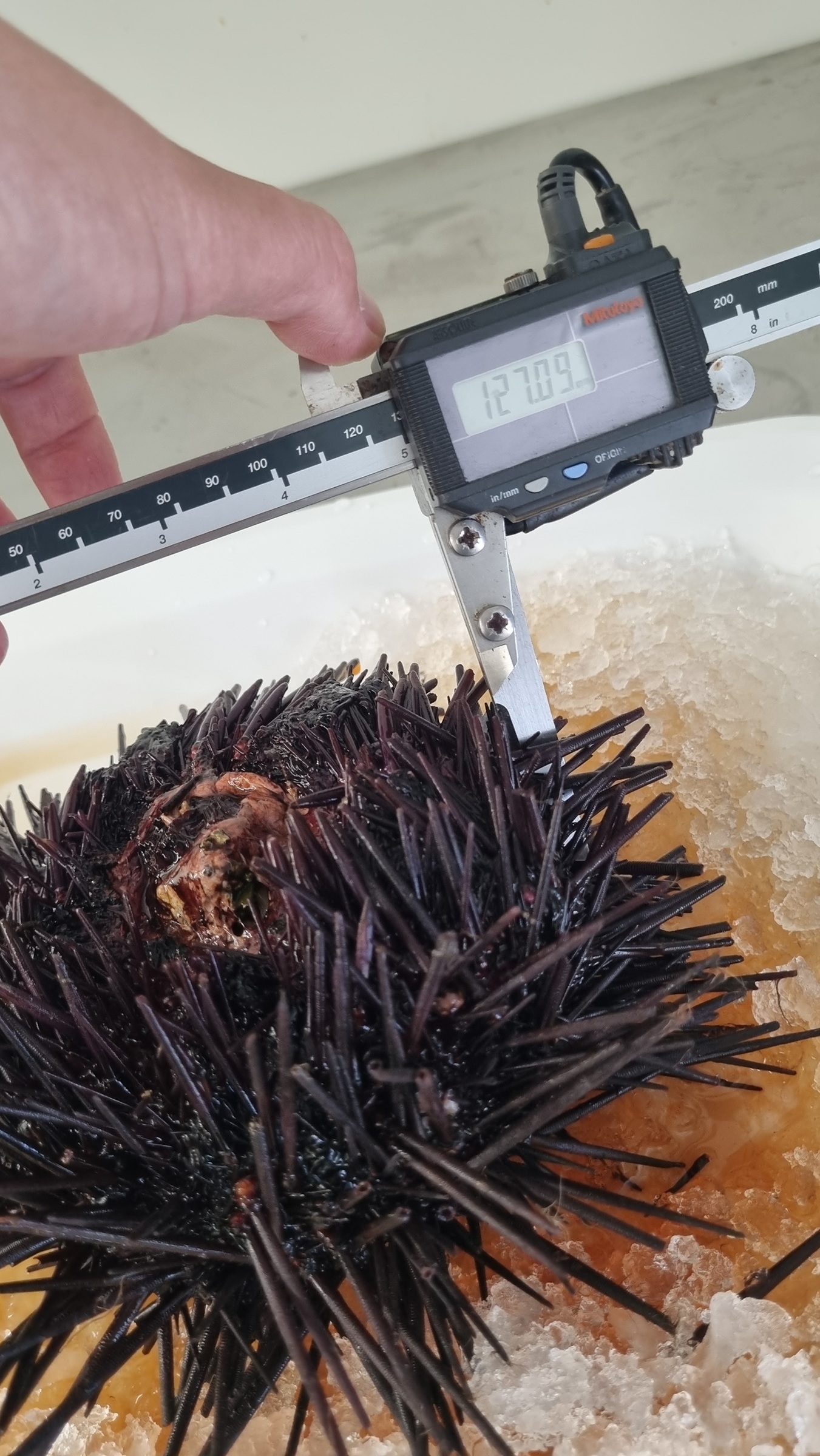
A rogue Longspined sea urchin has been discovered in Tasmania’s remote southwest waters, marking the most westerly sighting of the species in the state.
Warming sea temperatures over the past 50 years have increased suitable habitat for Longspined sea urchins hundreds of kilometres south into Tasmanian waters, where dense populations have transformed reefs into barren landscapes along parts of the east coast.
Now, a lone urchin has been discovered between Port Davey and Low Rocky Point, well outside the species usual range.
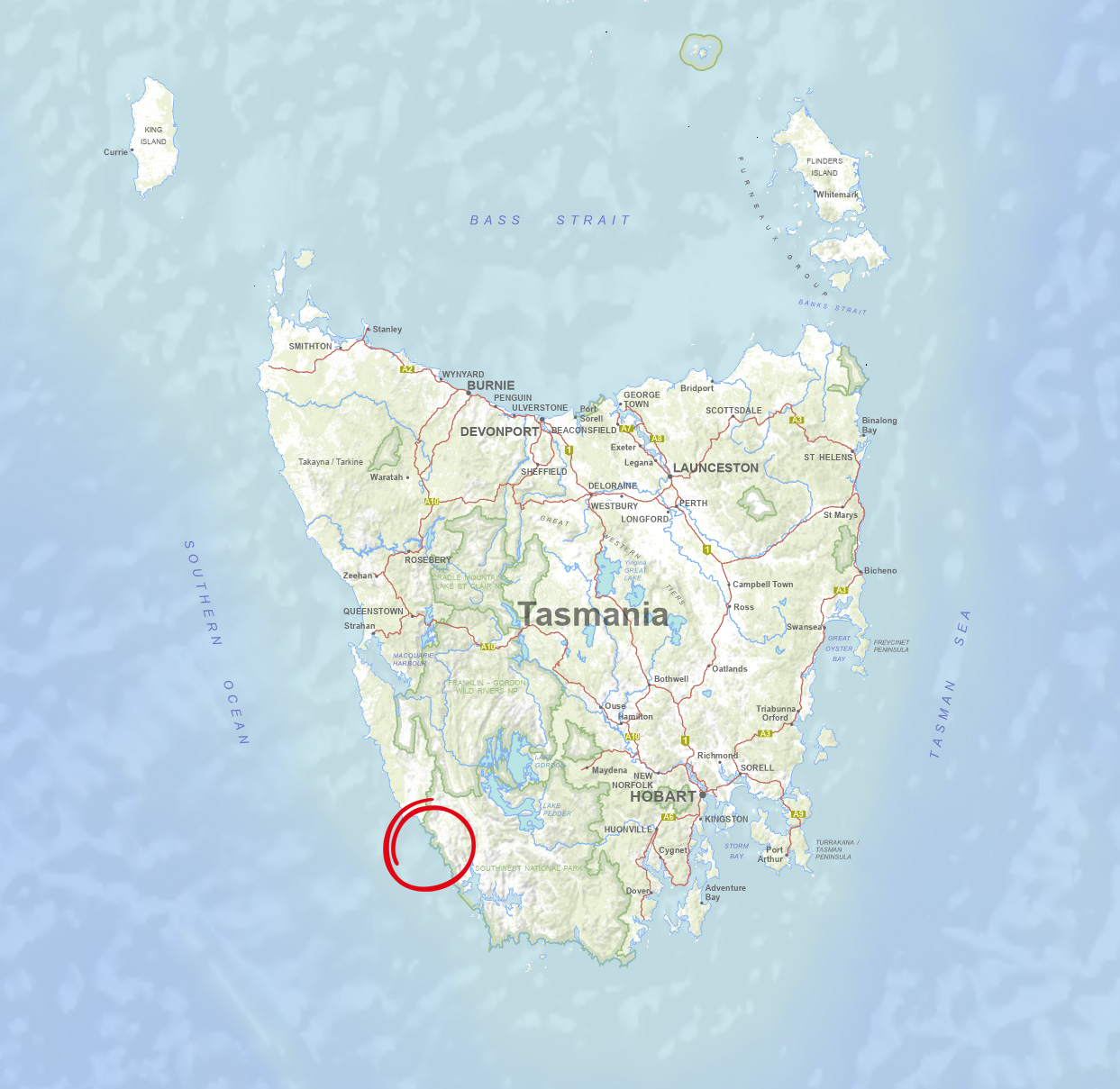
“This is quite notable because it’s the westernmost urchin ever reported in the state,” said Dr John Keane, a senior research fellow at the University of Tasmania’s Institute for Marine and Antarctic Studies (IMAS).
“We typically see dense populations on the east coast, and some around Port Arthur. However, sightings are increasing across our southern reefs.
“While a single individual is not a problem, this sighting highlights the extent of the threat if our waters continue to warm.”
The primary control measure for the Longspined sea urchin in Tasmania is the state government’s incentivised harvest program, which has supported commercial removal efforts since 2018. To date, commercial divers have removed more than eight million urchins from Tasmanian reefs.
The discovery comes as the commercial harvest season ramps up for Longspined sea urchin, often called ‘centro’ after its scientific name Centrostephanus rodgersii.
“Prime centro harvest season is from now until June with roe quality now at its peak, so keep an eye on restaurant menus, ask your local fishmonger, or pop a couple in your catch bag if recreationally diving,” said Dr Keane.
“If you eat centro in the off season it can taste bitter, and some people may find it off-putting. For the next four months it’s sweet, and it’s when you want to consume this international delicacy.”
You can help track species on the move! Report any urchin findings from Tasmania’s south and west coast on Redmap Australia
Cover image: A commercial diver harvests Longspined sea urchins off eastern Tasmania for domestic and international markets. Photo: Matt Testoni IMAS