

As climate change poses a growing threat to fisheries and aquaculture in Australia, industries need relevant climate information tailored to their changing needs. But how can fishers and aquaculture producers access information they can trust? That’s where Sea Change Australia comes in.
Sea Change Australia connects fishers, aquaculture producers, industry, managers, and researchers to facilitate knowledge exchange and co-develop climate resilient options for strong and healthy fishing and aquaculture sectors in Australia.
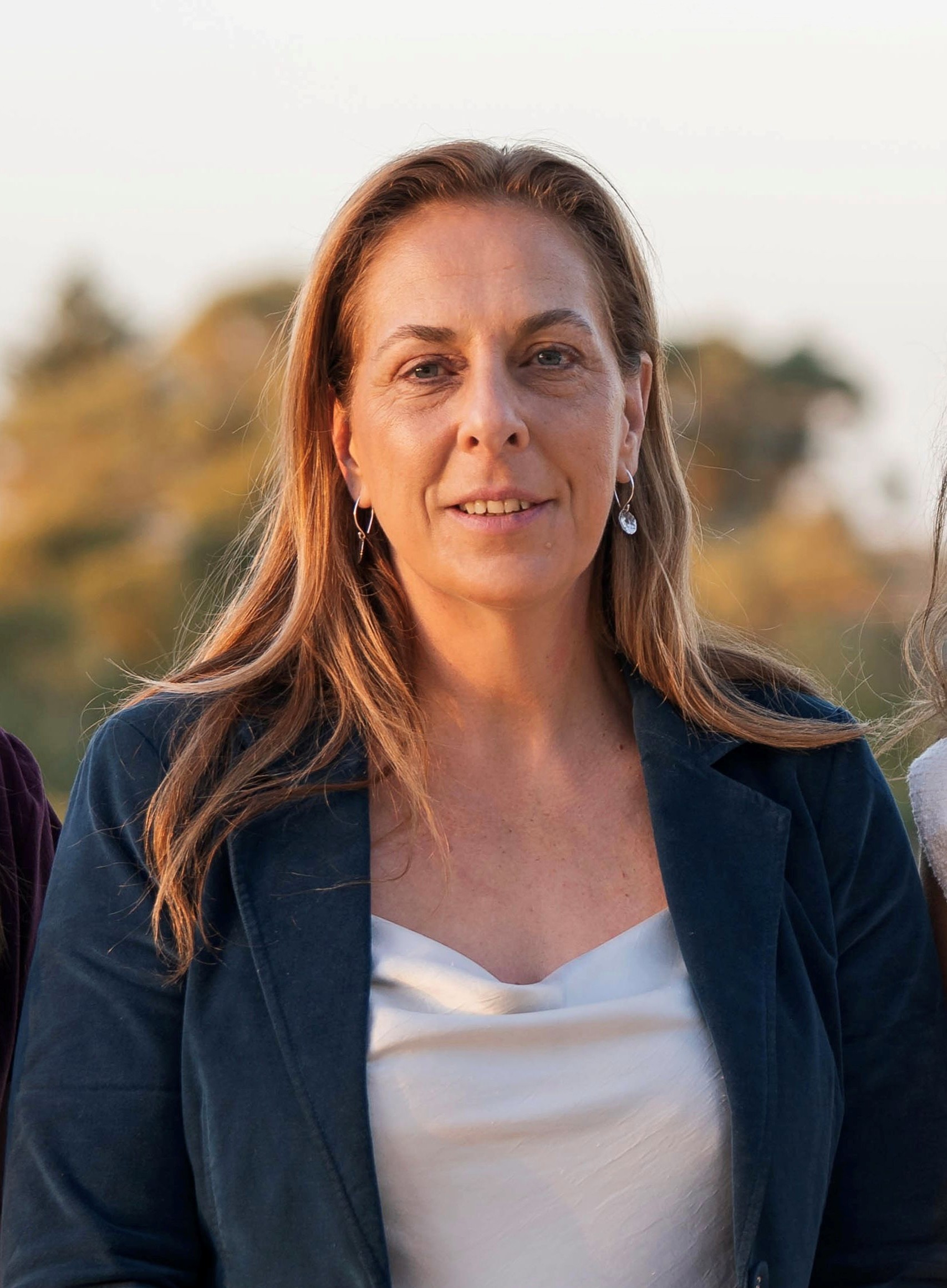
A question submitted to Sea Change Australia asked why fishers should trust the scientific process and advice on climate change risk and adaption. Professor Gretta Pecl AM from the Institute for Marine and Antarctic Studies (IMAS) and the Centre for Marine Socioecology (CMS) explains.
When you’re told to “trust the science”, but that same science comes with disclaimers or differing opinions, it can feel confusing – especially when businesses are being asked to make decisions based on it.
But uncertainty in science doesn’t mean the science is untrustworthy.
Scientists sound uncertain because they’re being honest
In science, uncertainty is normal and part of how scientist interpret data. It reflects how confident we are in the evidence and what we’re still learning. It’s like giving a weather forecast. You might hear there’s an 80% chance of strong winds. That’s not guessing – it’s the best available information combined with the level of confidence attached to it.
When we talk with other scientists, we are trained to emphasise or lead with what we don’t know, something that can create confusion outside of scientific circles.
When it comes to climate change, scientists are debating the small stuff, not the big picture.
When scientists disagree, it’s usually about the details – how fast a species is moving south, what the next season might look like, or which areas are most at risk. But on the major points, there’s overwhelming agreement across thousands of studies worldwide that the climate is warming, human activity is the primary cause, and our oceans and fisheries are already being affected.
The loudest voices aren’t always the most reliable
Some of the most vocal opinions from those who disagree with human‑driven climate change claim they’ve uncovered major flaws or that scientists are divided. These messages are often amplified – directly or indirectly – by groups that stand to lose if climate change is taken seriously.
This amplification can make it seem like scientists have backflipped on the fundamentals, when they haven’t. The core understanding has been consistent for decades. What does change over time is the level of detail, the evidence base, and the precision around impacts – not the understanding that climate change is real.
Why scientific consensus matters
Individual scientists can be wrong, just like individual fishers can be wrong about where fish are on a given day. But when thousands of independent studies from all over the world have the same conclusion, that’s not an opinion anymore.
That’s a consensus built on a huge amount of evidence and the closest thing science has to a 'sure bet'.
So why should you act on it?
Acting early puts you more in control. If you wait until every detail is nailed down, you risk being forced to react suddenly when conditions shift.
It’s like preparing for rough weather at sea. You don’t wait until the first wave comes over the bow before getting ready.
Climate scientists aren’t trying to tell you how to run your business. It’s providing the best information possible so fishers and aquaculture producers can make informed decisions to protect their livelihoods now and into the future.
Reducing climate risk for the seafood industry is critically important as seafood sustains regional communities and coastal businesses, is vital for healthy diets (rich in omega‑3s that support heart and brain health!), and is typically one of the lowest carbon emission protein sources we have available to us.
Do you have a climate question for the Sea Change Australia expert network? Submit them here: Ask a question – Sea Change Australia.
For more information on accessing climate information tailored to the fisheries and aquaculture sectors in Australia, visit Climate Toolbox – Sea Change Australia.
Sea Change Australia is an initiative of the University of Tasmania’s Institute for Marine and Antarctic Studies (IMAS) and Centre for Marine Socioecology (CMS).
Sea Change Australia is funded by Fisheries Research and Development Corporation (FRDC) on behalf of the Australian Government: 2023-011 Sea Change: co-developing pathways to mitigate and adapt to a changing climate for fisheries and aquaculture in Australia.
Cover photo by Sean Tracey IMAS