


This article was written by Cradle Coast NRM.
The Tasmanian Institute of Agriculture (TIA) Dairy Research Facility in north-west Tasmania has obtained certification of an Environmental Account with Accounting for Nature, establishing a verified baseline of soil and native vegetation condition across the working dairy farm.
Led by Cradle Coast NRM in partnership with TIA, an on-farm demonstration is showing how natural capital accounting can help farmers understand, manage and improve the natural assets that underpin productive and resilient farming systems.
As expectations around environmental stewardship grow, agricultural businesses are increasingly being asked to demonstrate how they manage their natural assets. Australia's legislated Nature Repair Market and emerging environmental markets are also prompting questions about the potential opportunities these could provide for Tasmanian farmers and landowners.
Natural capital includes the soils, water, native vegetation, trees and other natural assets that support farm productivity, profitability and resilience, though these assets are not typically measured and accounted for in business decision making. Natural capital accounting helps farmers measure the condition of these assets, identify changes over time and make informed management decisions to maintain and improve them.
While farmers often recognise the immediate benefits of healthy shelterbelts, paddock trees and productive soils, changes in the condition of these assets can go unnoticed without regular monitoring. The sector is beginning to recognise the risks associated with the degradation of on-farm natural capital.
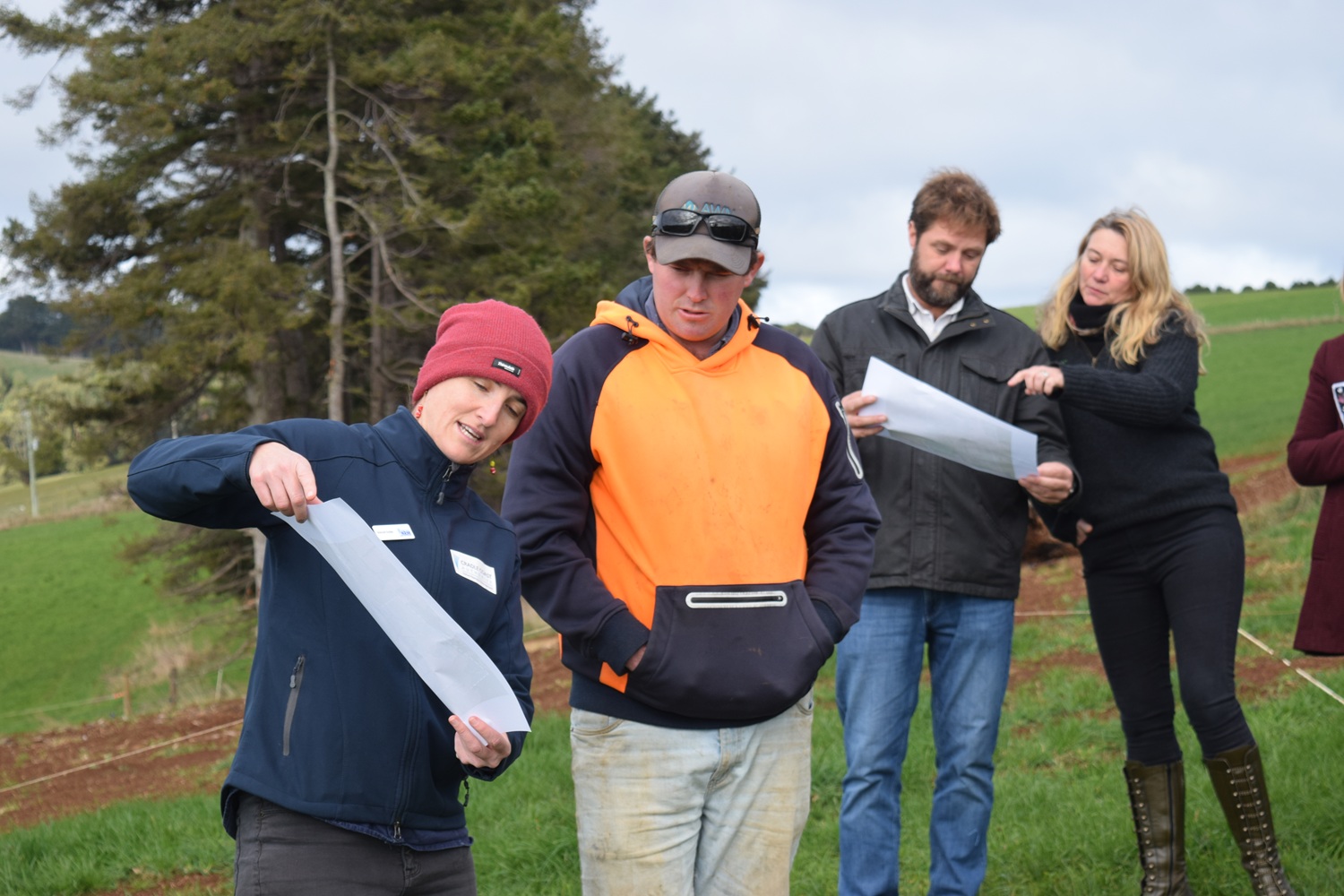
Accounting for on-farm natural capital allows these valuable assets to become visible to a business and support management decisions that preserve and enhance nature, instead of allowing it to degrade.
“Farmers know the value of a good shelterbelt on a cold blustery day, or a paddock tree on still hot one. But it is easy to miss the signs of degradation to these important farm assets when they are not being monitored or measured. We’re investigating how natural capital accounting can practically support farmers to make the most out of ALL of their farm assets and ensure they are maintained into the future.” Hannah Sadler, Land Program Manager, Cradle Coast NRM
Consistent with global environmental accounting standards, the demonstration has established an Environmental Account for the TIA Dairy Research Facility with Accounting for Nature verifying the baseline condition of the soil and native vegetation across the property to help inform sustainable land management and research activities across the property.
“Healthy soils, waterways and ecosystems are more than just environmental benefits – they are valuable assets that underpin farm productivity and long-term business resilience. Natural capital accounting helps farmers build a more complete picture of their farm’s performance, understand the condition of their natural assets and make informed decisions to protect the productive capacity of their land,” Associate Professor Dr James Hills, Centre Leader for Livestock Production, TIA.
Since the baseline environmental condition was measured, Cradle Coast NRM and TIA have undertaken practical actions across the farm to maintain and enhance the condition of vegetation across the property. These actions include protecting existing vegetation through weed control, planting native vegetation buffers around waterways and dams, establishing new shelterbelts and enhancing paddock trees for stock shelter and biodiversity.
These management actions aim to demonstrate practical steps that other farmers can also readily implement on their own properties that can support farm natural capital resilience, benefit farm productivity, with an additional aim of showing a certified up-tick in the condition and extent of vegetation consistent with current and emerging natural capital and carbon markets.
This project is supported by the Australian Government through funding from the Natural Heritage Trust under the Climate-Smart Agriculture Program and delivered by Cradle Coast NRM, a member of the Commonwealth Regional Delivery Partners panel in partnership with Tasmanian Institute of Agriculture with support from Dairy Australia.