A major transformation is underway at the University of Tasmania — one that reaches far beyond technology. It’s a story about people, persistence, and the power of listening. And it began with a staff member simply trying to have their name and gender recognised correctly across university systems.
Personal challenges revealed systemic problems
When Ash first transitioned at the University, they encountered a reality many trans and gender‑diverse people know too well: outdated systems that couldn’t keep up with who they truly were.
Changing what you want to be called meant navigating more than 100 disparate systems, each storing personal information differently. These system problems translated to real-life issues. IT help tickets kept building up as Ash and other staff and students struggled to book work travel, send and receive emails, and turn in assignments with mismatched details.
These experiences weren’t just frustrating, they were isolating. And they highlighted a much bigger issue affecting both staff and students.
Turning lived experience into leadership
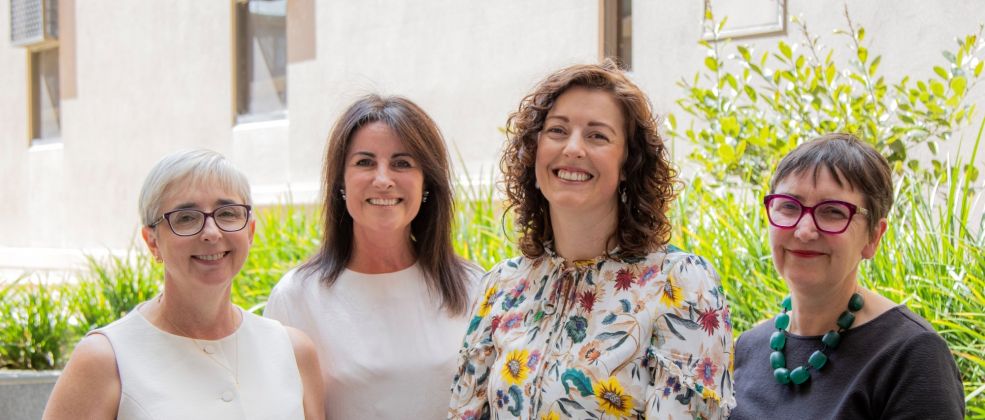
Rather than accepting the situation, Ash partnered with early champions including Jacinta Vanderfeen (in memoriam) and later Paula Johnson, who helped elevate the issue to senior leadership. Their advocacy resonated with executive sponsors, including Kristen Derbyshire and the UET Equity and Diversity Working Group. They recognised the urgency and committed to a long term, institution wide solution.
“I felt heartbroken when I first heard about Ash’s experience, and even more dismayed to realise that this was a common experience for our trans and gender diverse staff and student community on a daily basis. It was clear that action was needed, and that we needed to remove the myriad of barriers which had prevented positive system change to date. I couldn’t be prouder of what Ash and the project team have been able to achieve for our University.” – Kristen Derbyshire, Chief People Officer
What followed was the launch of a multi‑year project to rebuild how the University handles personal identifiers — names, titles, pronouns, gender markers, usernames, and email addresses — across every system.
This wasn’t a quick fix or a partial response. It was a re‑engineering of the university’s digital identity foundations.
A multi‑phase project with people at the centre
Now in its third phase, the project has already delivered major milestones:
- A new Help Hub profile page where staff can view and update their details in one place
- Expanded gender options (now eight, including “let me tell you” and “prefer not to say”)
- A custom pronoun builder with more than 100 combinations
- Updated admissions systems to ensure future students can enrol seamlessly
- Redesigned processes, removing unnecessary barriers and the need for manual interventions
- A reference group of people with lived experience guiding decisions at every step
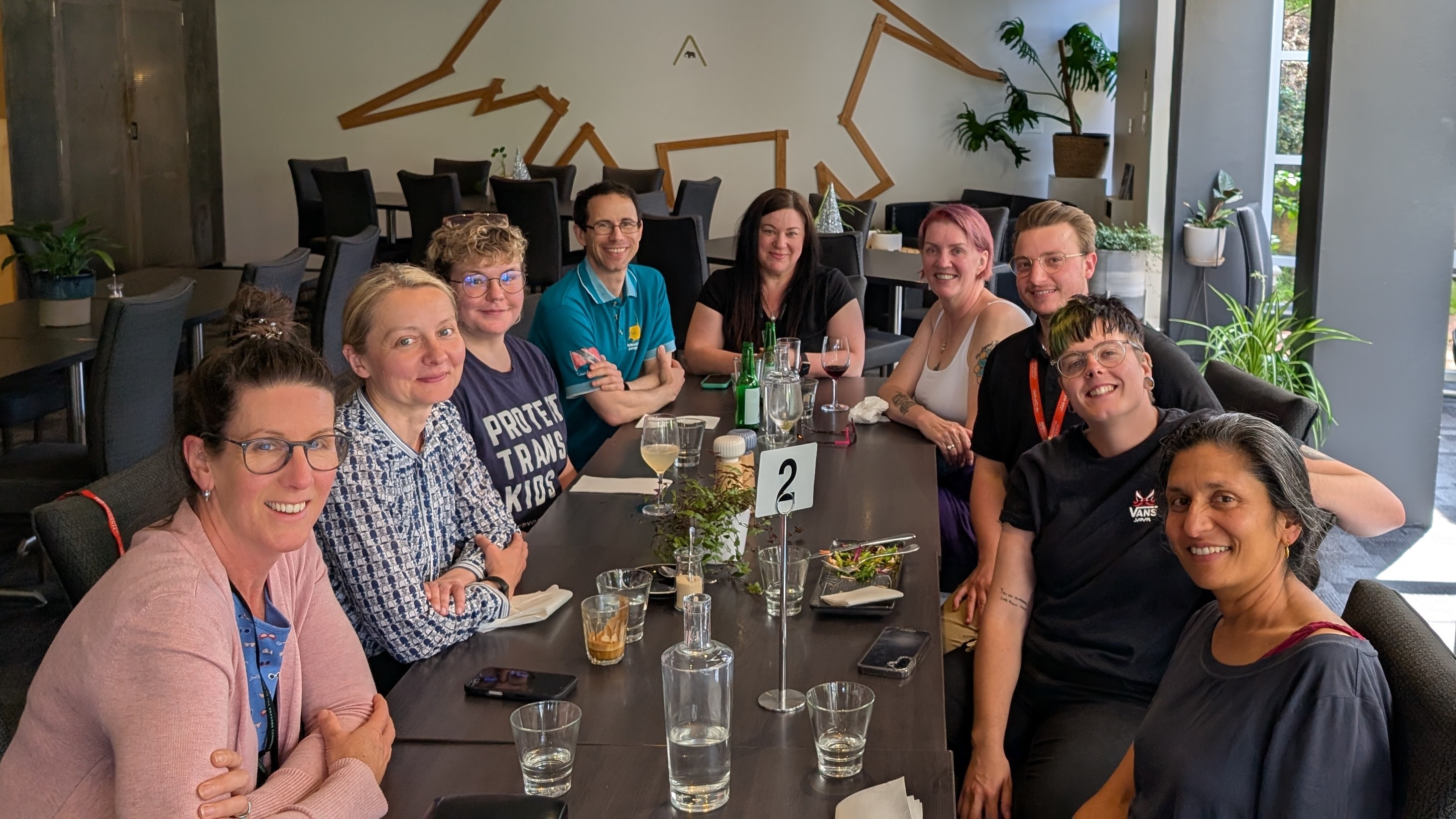
Over two and a half years, Ash has served as the continuous project manager, supported by a rotating team of specialists and a deeply engaged advisory group. Systems analyst Yulia Barashnikova played a key role in shaping the technical design, while IT Services teams across campuses have contributed to the heavy lifting of system updates.
The team made a deliberate choice early on; user experience would come first, even when it made the technical work harder. That meant designing solutions to meet the needs of the community, ensuring our systems uphold everyone’s right to autonomy and privacy.
“I can live as my authentic self because of the hard work of many advocates who came before me. This project aims to be that advocate for all staff and students, to create a future where they feel safe to self-identify, knowing they study and work at a university that has built respect into its foundations.” – Ash Russell, IT Project Manager
Recognising the people behind the progress
IT teams often work behind the scenes as unsung heroes, when in many cases their work is directly benefiting lives. To celebrate, Ash visited teams across campuses to personally thank them and acknowledge extraordinary efforts. Many of these teams will continue to work on the project over the coming years, but these celebrations were a moment of connection and recognition. A reminder that IT work is more than just computers, it can have a profound impact on people’s lives.
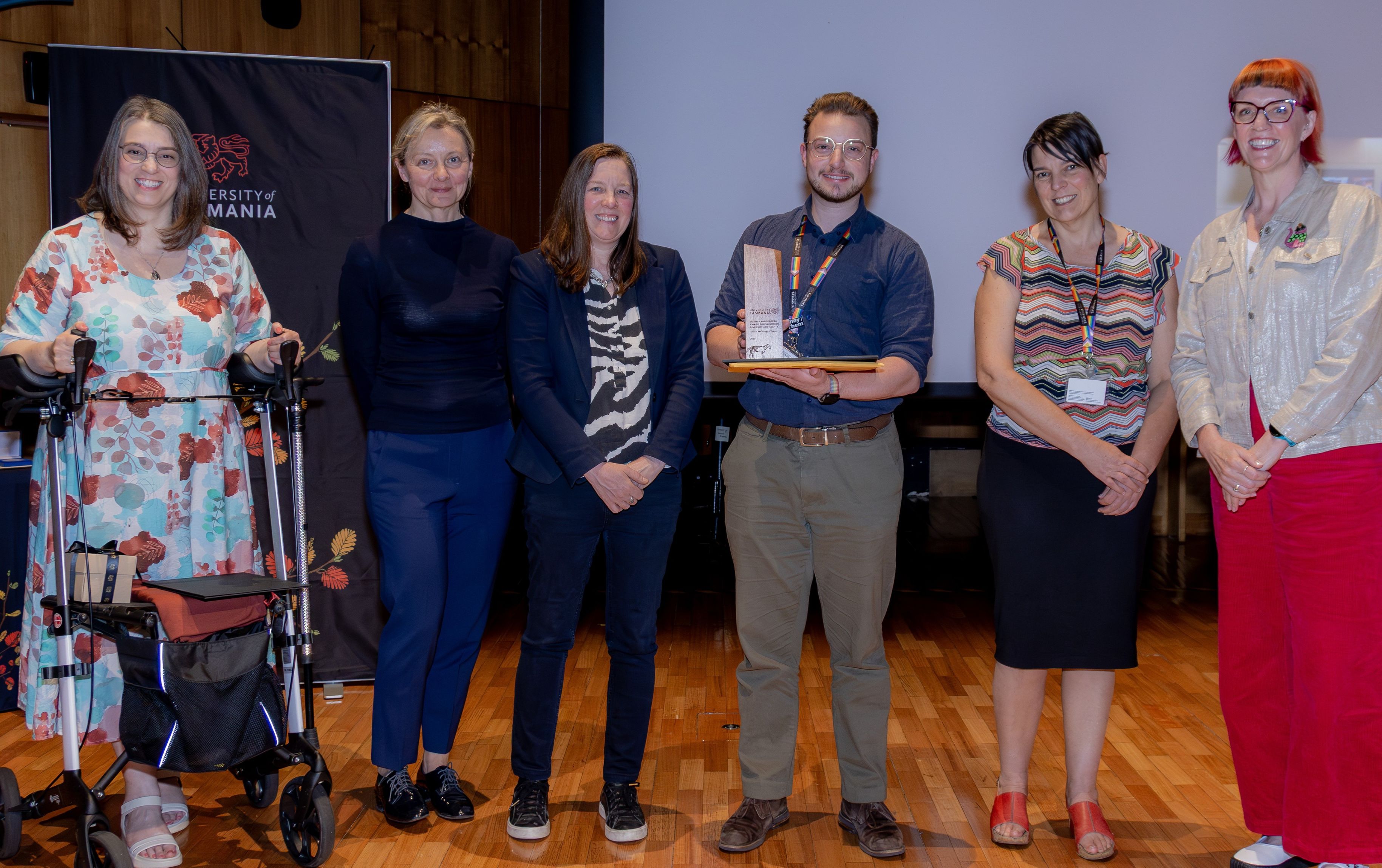
Following phase two, the project team were deserving recipients of the 2025 Vice-Chancellor’s Jacinta Vanderfeen Award for Inclusion, Diversity and Equity. This was particularly poignant for the team as it feels like a return to their roots. Jacinta was one of the first people to champion this work, and now these extraordinary changes are honoured in her name.
Part of a bigger commitment to inclusion
This project sits alongside broader initiatives that support diversity and inclusion at the University, including:
- Gender affirmation leave
- Surrogacy leave and non-gendered parental leave
- Staff training on gender diversity
- Pride visibility and merchandise
- Long‑term commitments to inclusive policy and practice
What’s next? Tackling the hard problems
The team is now preparing to extend the new identity update Profile Page to students later this year – in the meantime, students can request any changes easily through UniConnect.
Some challenges remain — such as assessing legal requirements for ID cards and navigating technical limitations in third‑party systems. Names are not yet displaying perfectly as more than 80 downstream systems still need to be assessed and updated, with some requiring external software vendor cooperation.
But the direction is clear: we are building an identity ecosystem that reflects and respects the diversity of our people.
A University leading the way
This project is more than an IT upgrade. It’s a cultural shift, ensuring our University doesn’t just talk about inclusion, but builds it into our infrastructure seamlessly.
It’s a story of lived experience becoming leadership, leadership becoming action, and action becoming lasting change.
And it’s a reminder that when we listen to our people, we don’t just fix systems. We create a university where everyone can belong.