

From high stakes research that led to the reopening of live lobster exports to rebuilding kelp forest ecosystems, scientists have taken centre stage alongside industry at the 10th Tasmanian Seafood Awards.
Two research teams from the University of Tasmania’s Institute for Marine and Antarctic Studies (IMAS) have been recognised for their outstanding contributions after winning two awards.
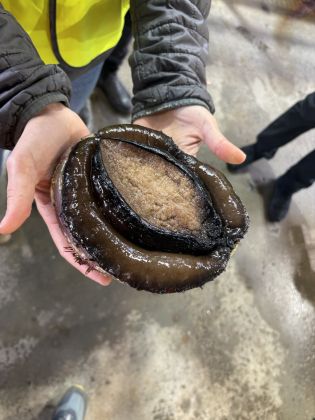
Dr Alison Turnbull and her team won the Research, Development and Extension Award for their scientific leadership in reopening Australia’s live lobster export.
"I've conducted research to support incident management on many occasions, but this was the highest stakes and most time critical research I've ever conducted," said Dr Turnbull.
"When China closed the trade of live lobster in November 2020, it had an immediate impact on the whole industry. At that point 90% of our $750M export went to China. The flow-on effect meant beach prices dropped, and fishing became unviable for many – one third of the fleet here in Tasmania stopped fishing.
“This work was really important to enable our government to re-open negotiations for trade with China, and it played a pivotal role in the eventual restoration of Australia’s live lobster export trade.”
"We had a great team here at IMAS, with Sarah Ugalde and Quinn Fitzgibbon playing key roles, but we also worked with an amazing food statistician, Andreas Kiermeier from Statistical Process Improvement Consulting and Training. The lobster industry and their government partners were incredible in assisting our sampling within very tight time frames."
Associate Professor Scott Ling and his team along with commercial divers won the Environmental Stewardship Award for their work on the Saving Native Species – Giant Kelp Restoration Project. The award was sponsored by the Australian Government’s Fisheries Research and Development Corporation (FRDC).
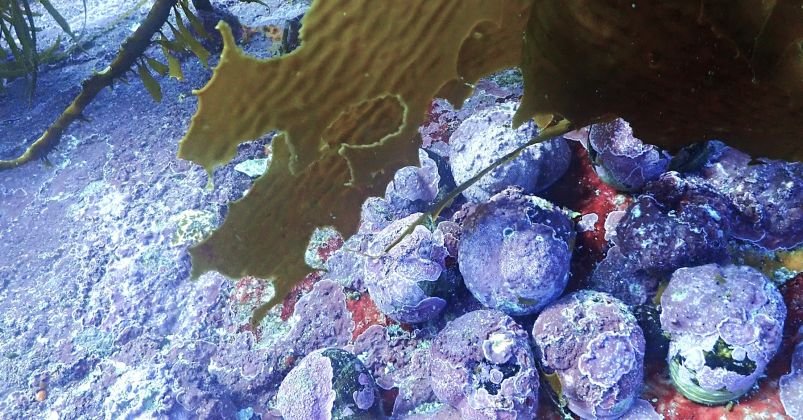
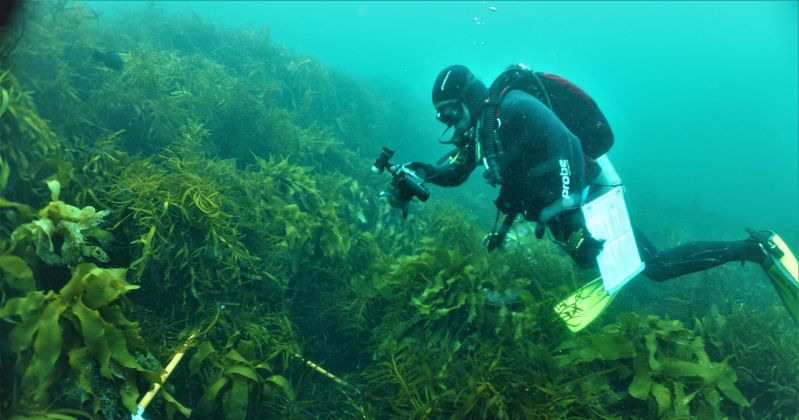
The project was led by IMAS and 12 divers from the Tasmanian Commercial Divers Association (TCDA), who re-seeded giant kelp over the past two winters and undertook targeted commercial harvesting of overgrazing urchins to help rebuild the kelp forest ecosystem.
“One of our kelp planting divers, Stuart Anning, started out as an abalone diver during the 1980s and witnessed firsthand the devastating loss of giant kelp forests across eastern Tasmania,” Associate Professor Ling said.
“This kelp restoration project represents a generational opportunity for the commercial dive fishers to put something back on the reef. In doing so, they are actively helping rebuild critical forest habitat for commercial species, including lobster and abalone that can build-up in these nursery areas and spill over beyond the forest."
“By creating jobs to actively repair the reefs and safeguard threatened giant kelp forests, this project is all about doing marine conservation differently.”
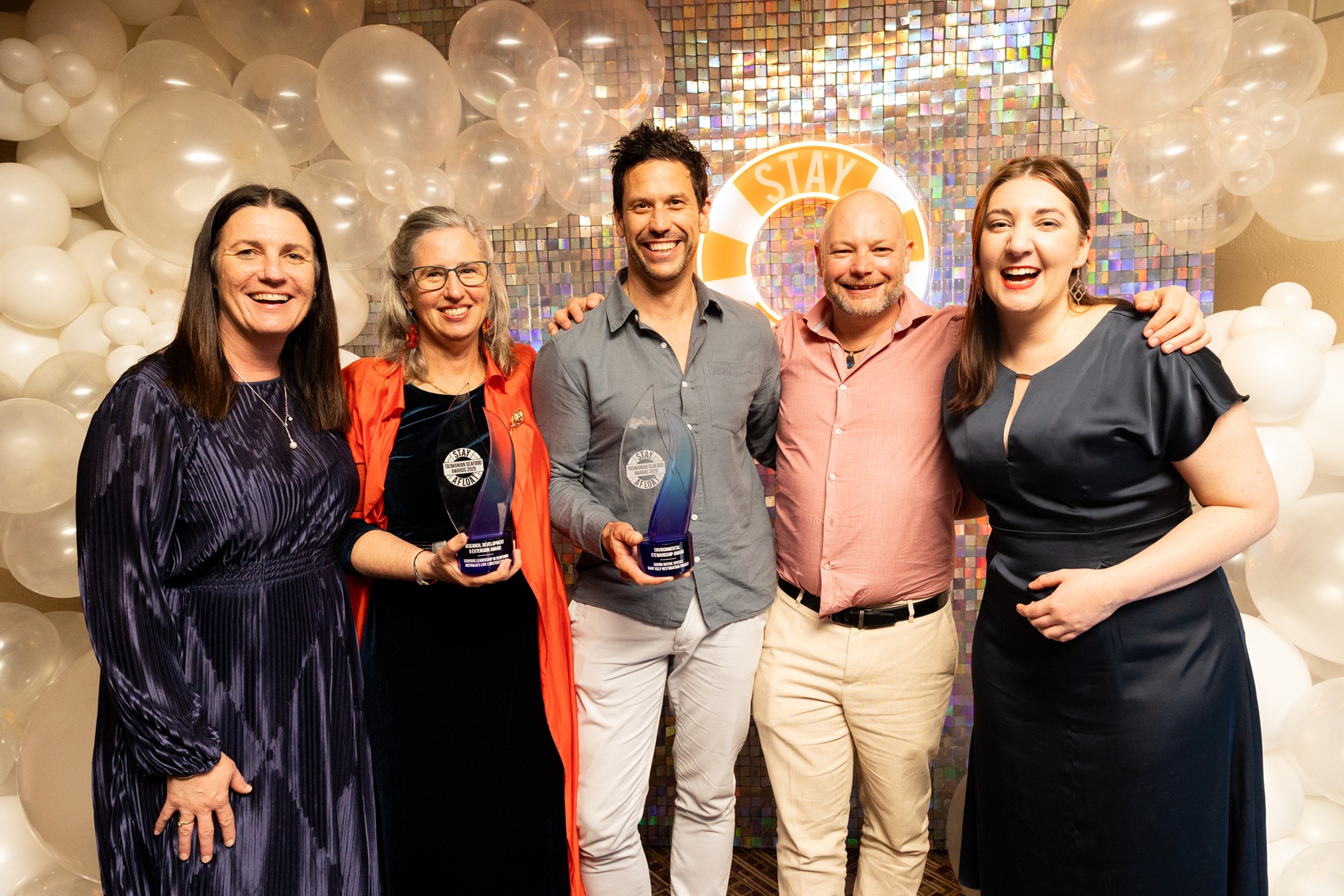
The two research teams and their projects are also nominated for a national award in 2026.
The Tasmanian Seafood Awards is run by Seafood Industry Tasmania and held biennially to showcase excellence within the Tasmanian seafood industry. The Saving Native Species – Giant Kelp Restoration Project received grant funding from the Australian Government’s Saving Native Species Program and The Nature Conservancy Australia.
Cover image by Scott Ling IMAS