


Solve real problems with real science
Chemistry, Food Innovation and Safety, Microbiology, Molecular Bioscience, Science and Industry
From the molecules that make up living things to the microbes that sustain ecosystems, the science of life helps us understand the world on its most fundamental level. If you're curious about how living systems work and passionate about using science to address practical challenges, this could be your perfect study path.
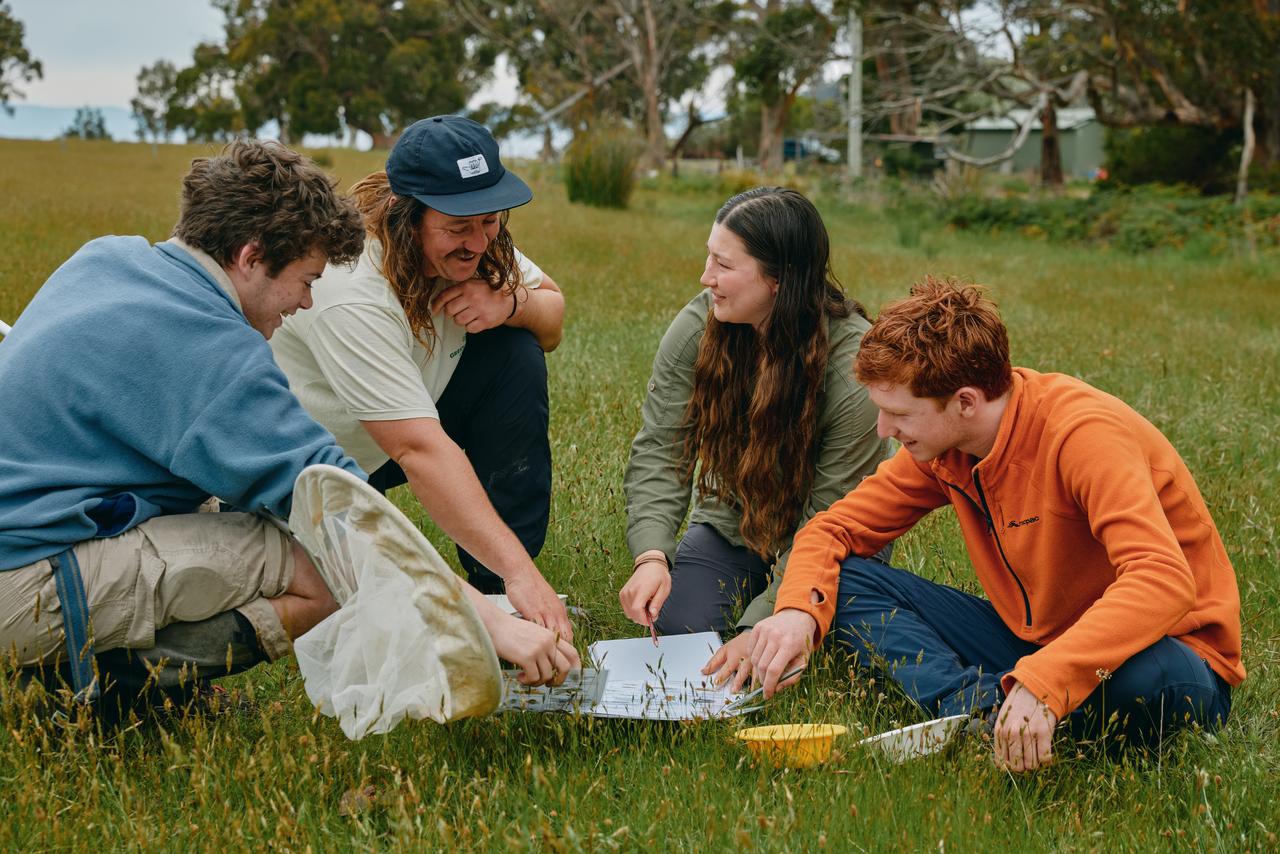
At the University of Tasmania, you’ll explore life from the inside out – diving into the chemistry of reactions, the biology of cells, and the vital role of microbes in everything from health to food production. With hands-on learning and strong industry connections, your studies will prepare you to make a real impact in areas like food innovation, environmental science, biotechnology, and medical research.
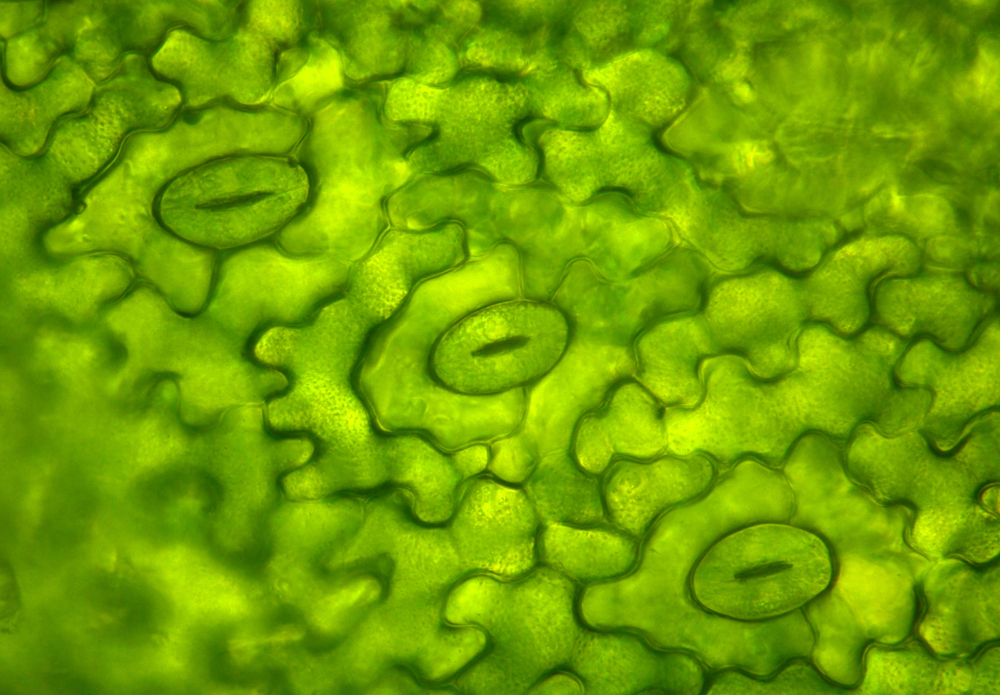
How plants breathe – and what it tells us about evolution
Our researchers are using cutting-edge laser imaging to study how plants have evolved to breathe through tiny pores called stomata. This work has revealed that even the most ancient plant groups possess an active control mechanism – an evolutionary trait that’s persisted for over 400 million years.
"The plants we see today – from mosses to trees – rely on millions of microscopic mouths to exchange gases. Our work helps explain how that incredible ability evolved, and what it means for the planet."
Associate Professor Timothy Brodribb
Published in The Conversation, the research highlights how plant biology continues to surprise us, and how molecular and cellular science plays a key role in understanding the past, managing the present, and preparing for the future – particularly in the face of climate change.
Be part of the solution
With majors including Chemistry, Food Innovation and Safety, Microbiology, Molecular Bioscience, and Science and Industry, you can tailor your studies to your interests while developing a strong foundation in the science of life. Whether you're interested in working in health, agriculture, research, or industry, your degree will equip you with the skills to help solve the challenges of today – and tomorrow.
If you are ready to apply, find out more with our Bachelor of Science.

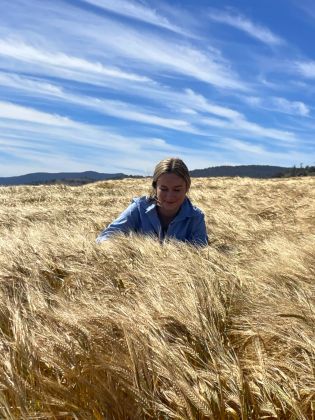
Hannah Sheers discovered her passion for sustainable chemistry while studying science at the University of Tasmania. What began with simple questions about everyday phenomena grew into a career in research, as she now works on innovative bio-based alternatives to fossil fuels – combining chemistry, data, and sustainability to tackle real-world problems.