

For Bachelor of Agricultural Science student Matilda “Tilly” Legro, some of the most valuable lessons happen outside the classroom.
Whether she is visiting farms, learning about different production systems or speaking directly with people working in the industry, hands-on experiences have become a highlight of her studies at the University of Tasmania.
Growing up in Launceston, Tilly’s interest in agriculture was shaped by her family’s connections to the industry and an early understanding of its importance. Some of her fondest childhood memories are of spending days alongside her dad, where she first developed her curiosity about agriculture.
“When I was little, I would often go to work with my dad,” Tilly said.
“He kept weed identification books in his ute, and I would sit and read through them.”
When it came time to choose a degree, Agricultural Science was the option that she felt most passionate about.
“I chose to study Agricultural Science as I’ve always had an interest in agriculture and the opportunities within the industry,” she said.
“I like that agriculture is such a diverse and continually evolving industry. It will always be essential.”
Choosing the University of Tasmania allowed Tilly to stay close to family and friends while studying a degree that matched the way she wanted to learn.
After exploring the course structure, she was drawn to the combination of theory, practical learning and industry experience built into the degree.
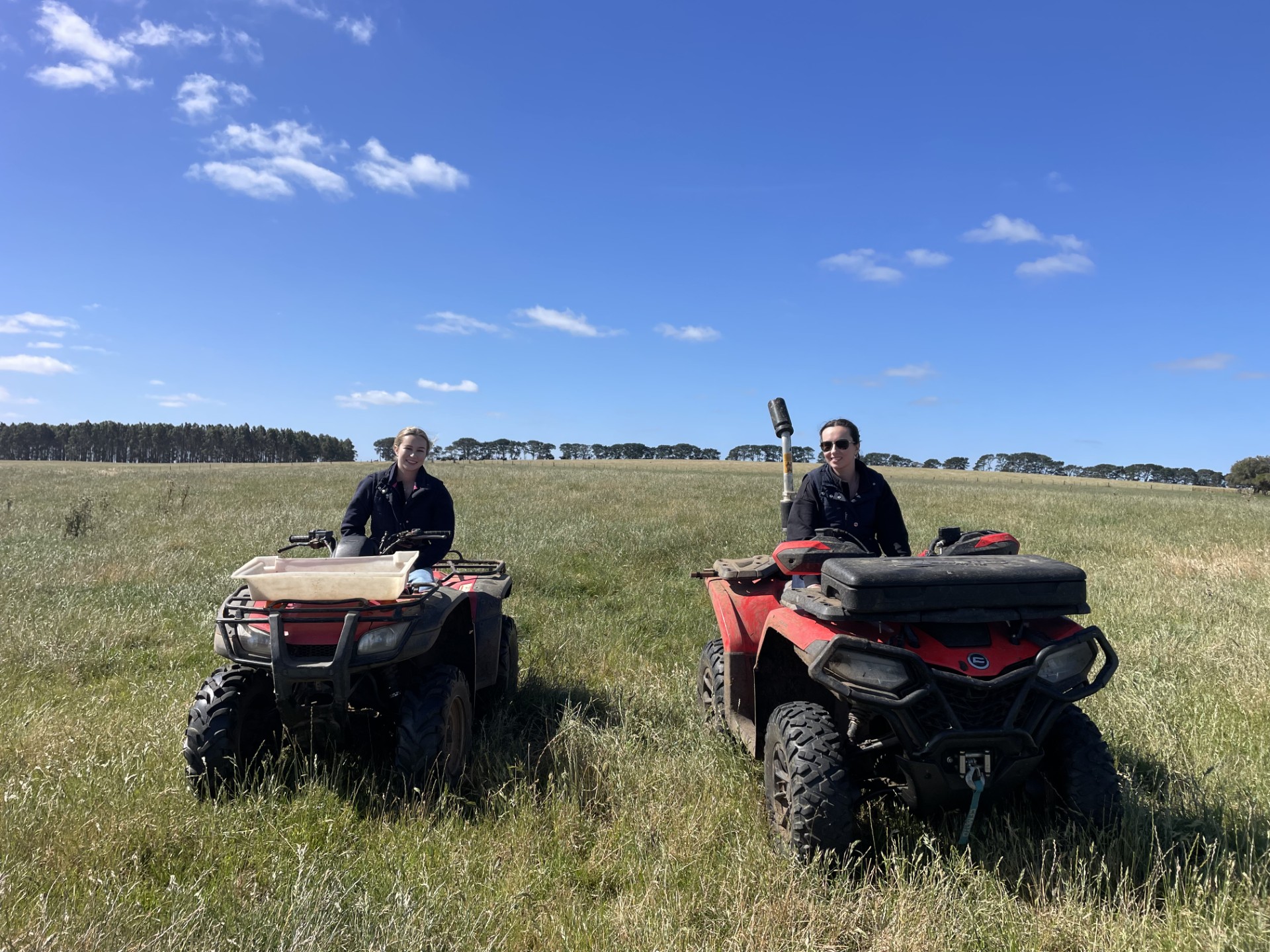
“The highlight of my uni experience so far is the field trips organised for our course,” she said.
“I enjoy getting hands-on experience and connecting with people from the ag industry”.
Through these experiences, Tilly has visited a range of agricultural operations, learned about the challenges facing producers and seen firsthand how concepts taught in class apply in real-world settings.
One visit that particularly stood out was a first-year field trip to Landful Angus, where students saw virtual fencing technology being used in everyday farming operations.
“Agriculture means so much more than just farming and tractors,” she said.
“Science, technology, business and problem-solving all come together to produce the products that we rely on every day. The Tasmanian rural community is also such a tight-knit support system, with many people sharing similar values.”
Tilly is particularly interested in agronomy and agricultural technology, two areas she believes will play an increasingly important role in the future of the industry.
While she is still building experience and exploring opportunities, Tilly already has a clear vision for the future.
After graduation, she hopes to work in a role that combines agronomy and technology before eventually starting her own agricultural technology business.
Support from the Costa Scholarship has also helped ease some of the financial pressures associated with university study, allowing her to focus on making the most of the opportunities available throughout her course.
For now, Tilly is embracing every opportunity to learn, connect, and grow within the industry.