

Overview (2027)

Key Information


Duration
Minimum 5 years, up to a maximum of 11 years.


Location
 CRICOS: 089288K
Duration
Minimum 5 years, up to a maximum of 11 years.
Location
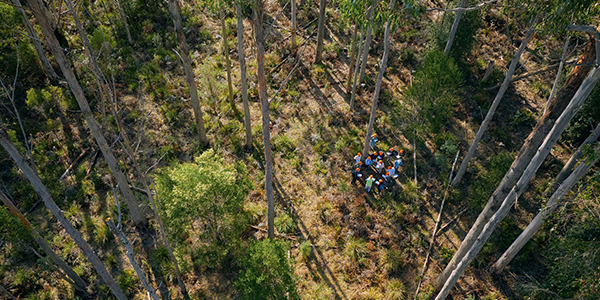
This combined degree brings together scientific curiosity and engineering innovation, giving you the tools to understand our changing world and design solutions that shape a more sustainable future.
In science, you will explore the building blocks of life, the environment, and the universe through hands-on learning and discovery. Whether you are drawn to climate science, biology, chemistry, or physical and mathematical sciences, you will develop critical thinking skills and a deep understanding of how science can inform real-world decisions.
This complements your studies in Climate Safe Engineering, where you will gain practical skills to apply that knowledge through purposeful design and problem-solving. This approach embeds climate mitigation and adaptation into every aspect of engineering. You will learn to create systems, technologies, and infrastructure that are not only efficient and effective but also safe for people and the planet. At the University of Tasmania, you will learn from and within one of the world's most extraordinary environments. Tasmania is your living laboratory, where ancient landscapes, unique ecosystems, and real-world climate challenges provide endless opportunities for applied learning and research.
Together, these two degrees allow you to cross disciplines and build a unique skillset that is increasingly sought after. You will graduate as a scientist and an engineer, prepared to investigate the challenges of today and create the solutions of tomorrow.
Catalyst Program
Want to combine your degree with overseas trips, summer research programs, scholarships and special events? Our Catalyst Program offers domestic high achieving school leavers all this and more.
All domestic students with an ATAR of 90 or greater, enrolled in a range of STEM courses will be awarded a $3,000 Catalyst Scholarship. Across the program students can access scholarships of up to $14,500 in value, and gain experience that will make you stand out in your chosen field. Learn more about the Catalyst Program.
PRIMED program
The Profession Ready Industry Merged Engineering Degree (PRIMED) program is an integral part of educating new engineers at UTAS. With a strong focus on preparing students for the workforce, PRIMED fosters active participation of practicing professional engineers in educating the next generation of engineering professionals. Through PRIMED, you will engage with professional engineers in various ways, including classroom activities and immersive field experiences like site visits, workshops, design challenges, and work placements.
Watch our course information webinar
Thinking of studying this course and want to learn more? This webinar explores course structures, career opportunities, and the student experience to support your study journey.
- 1 Explain the methodologies of science and the role and relevance of science in society.
- 2 Apply in-depth knowledge and skills in one or more scientific disciplines to provide specialist advice and functions in a range of contexts.
- 3 Design and implement scientific investigations, including quantitative analysis and critical evaluation of results.
- 4 Communicate scientific results, information, and arguments, to a range of audiences, for a range of purposes, and using a variety of modes
- 5 Apply scientific methods and knowledge ethically, responsibly, respectfully and safely in research or workplace settings guided by relevant regulatory and professional frameworks
- 6 Solve complex engineering problems through applying established engineering and innovative climate safe methods and conceptual knowledge of the natural and physical sciences.
- 7 Design and evaluate engineering components, systems and/or processes to meet technical, legislative, environmental, economic and social requirements while addressing longer term climate impacts.
- 8 Contribute to authentic engineering projects by demonstrating the professional qualities required for accreditation as an engineer in Australia.
- 9 Communicate original research conclusions for an academic audience derived from a self-managed honours project in an engineering-related area of inquiry
Both science and engineering are experiential by nature, and this degree gives you the chance to learn by doing. From field trips and lab experiments to hands-on workshops and design projects, you will gain practical skills that prepare you for real-world challenges.
Science units make the most of Tasmania’s diverse natural environment, with field-based experiences and research projects embedded across many disciplines. In engineering, you will participate in team-based design work, laboratory simulations, and our Vertically Integrated Project initiative, which allows students across all year levels to collaborate on authentic industry and community challenges.
Your learning will be supported by access to purpose-built labs, expert staff, and strong links with government, industry, and research partners. The practical experience you gain across both degrees will sharpen your problem-solving skills, boost your confidence, and help you build a professional network while you study.
You will undertake 12 weeks (450 hours) of professional work placement as part of the engineering component of this degree. This placement is required for Engineers Australia accreditation and provides valuable exposure to industry standards and expectations. Most students complete this during the summer breaks between second and third year or third and fourth year.
Science students also have access to workplace-based learning through elective units such as STEM Work Integrated Learning, Tasmanian Field Ecology, and the STEM Experience unit. These provide opportunities to work on real projects with industry, research, or government organisations.
Our teaching and careers staff will support you in finding and preparing for these placements, helping you apply your knowledge in meaningful contexts and connect with potential employers.
The Bachelor of Engineering (Specialisation) with Honours is an externally accredited degree.
The following specialisations of this course are accredited by Engineers Australia:
-
Civil
-
Electrical
-
Mechanical
Completion of a specialisation may meet the requirements for membership of Engineers Australia. There may be additional requirements for membership beyond the completion of the major or specialisation.
For further membership requirements, please visit Engineers Australia website.
If you have any queries about the accreditation process, please contact us for further information.
Career outcomes

Josh Cooper - Bachelor of Science and Bachelor of Engineering (Specialisation) with Honours in Engineering graduate
The world needs people who can solve complex problems, work across disciplines, and design sustainable solutions. A combined science and engineering degree gives you the skills to do just that, with strong career outcomes and growing demand in climate-related fields.
If you're not sure where your degree might take you, that's completely okay. Many students begin with broad interests in science and engineering, and discover their direction during their studies. You will meet other students, expert lecturers, and industry professionals who help you explore new possibilities.
This combined degree will help you:
- Build a powerful mix of scientific knowledge and practical engineering skills
- Learn how to design sustainable, climate-safe solutions
- Explore your interests across multiple fields before choosing a direction
- Gain skills in problem solving, teamwork, and communication that employers value
- Learn from hands-on research, industry placements, and field-based experiences
- Graduate ready to apply your skills in both traditional and emerging industries
Career opportunities include roles in:
- Renewable energy and low-emissions technology
- Climate adaptation and environmental resilience
- Smart infrastructure and sustainable transport
- Health technology, data science, and innovation
- Policy, education, science communication, and outreach
- Government, consulting, local councils, and business
Job outlook:
- Employment for Design, Engineering, Science and Transport Professionals is projected to grow by 18.3% by 2034*
At the University of Tasmania, you will be supported to find your path and gain the experience needed to turn your passions into a career.
*Jobs and Sills Australia trend data May 2024 to May 2034.
Course structure
The Bachelor of Science and Bachelor of Engineering (Specialisation) with Honours in Engineering requires the completion of 500 credit points comprising:
- 350 credit points of Engineering units in accordance with the requirements of the Bachelor of Engineering (Specialisation) with Honours less the two non-Engineering Elective units and the first year mathematics units (which must be completed under the BSc component); and
- 150 credit points of Science units, consisting of a Bachelor of Science major, KMA152 and KMA154, and two science Discipline Elective units.
Note: Students normally commence their studies by completing all first-year Engineering units which are common to all students.
All engineering students undertake 12 weeks of industrial experience via a series of four Engineering Professional Practice short modules, which can be flexibly enrolled in throughout the degree. The Climate Safe Core units incorporate a Vertically Integrated Project where students from years 1 to 3 work together to design and evaluate a major project.
The unit introduces the field of civil engineering. Students will learn methods for solving problems in civil engineering as applied to structural, geotechnical, and water resources projects. The translation of theoretical concepts into designs will be demonstrated through examples involving…
Credit Points: 12.5
| Location | Study period | Attendance options | Available to | ||
|---|---|---|---|---|---|
| Hobart | Semester 1 |  |  |  | |
- Key:
- On-campus
 Off-Campus
- International students
- Domestic students
Mechanical Engineering Foundations introduces students to the principles of dynamics, thermal engineering, and fluid mechanics, which are essential for understanding mechanical systems. Students will explore particle and rigid body kinematics and kinetics, applying Newtonian mechanics to solve dynamic problems. In…
Credit Points: 12.5
| Location | Study period | Attendance options | Available to | ||
|---|---|---|---|---|---|
| Hobart | Semester 2 | | | | |
- Key:
- On-campus
- Off-Campus
- International students
- Domestic students
View all details for ENG107 Mechanical Engineering Foundations
This unit introduces first-year engineering students to the fundamental principles of electrical engineering, with a focus on electrification's transformative role in modern industries. Students will develop a strong foundation in DC and AC circuit analysis, learning key concepts such as…
Credit Points: 12.5
| Location | Study period | Attendance options | Available to | ||
|---|---|---|---|---|---|
| Hobart | Semester 2 | | | | |
- Key:
- On-campus
- Off-Campus
- International students
- Domestic students
View all details for ENG108 Electrical Engineering Foundations
This unit introduces students to computer-based tools for solving engineering problems. Students will engage with key concepts such as mathematical programming, artificial intelligence, and computer-aided design (CAD). They will develop practical skills in data analysis, software design, CAD modeling, and…
Credit Points: 12.5
| Location | Study period | Attendance options | Available to | ||
|---|---|---|---|---|---|
| Hobart | Semester 1 | | | | |
- Key:
- On-campus
- Off-Campus
- International students
- Domestic students
This foundational unit introduces first-year engineering students to the science of climate change, climate-driven natural hazards, and extreme events, and their impacts on engineering practice. The unit consists of two key modules: Climate Science Fundamentals; and Extreme Climate-Driven Events and…
Credit Points: 12.5
| Location | Study period | Attendance options | Available to | ||
|---|---|---|---|---|---|
| Hobart | Semester 1 | | | | |
- Key:
- On-campus
- Off-Campus
- International students
- Domestic students
This unit introduces students to the engineering design process, focusing on problem identification, brainstorming, conceptual design, prototyping, and communication. The unit consists of 2 key modules: Engineering Design Process, and Communication Skills. Students will learn to consider the environmental and…
Credit Points: 12.5
| Location | Study period | Attendance options | Available to | ||
|---|---|---|---|---|---|
| Hobart | Semester 2 | | | | |
- Key:
- On-campus
- Off-Campus
- International students
- Domestic students
View all details for ENG112 Sustainable and Life-Centred Design
The applicability of calculus and linear algebra is so broad that fluency in it is essential for a successful career in a variety of areas including science and engineering. This unit is devoted to the conceptual and logical development of…
Credit Points: 12.5
| Location | Study period | Attendance options | Available to | ||
|---|---|---|---|---|---|
| Hobart | Semester 1 | | | | |
| Launceston | Semester 1 | | | | |
| Online | Semester 1 | | | | |
- Key:
- On-campus
- Off-Campus
- International students
- Domestic students
This unit is a continuation of KMA152, with emphasis on the application of single-variable calculus and linear algebra to problems in mathematics, the physical and biological sciences, economics, and engineering. Topics include complex numbers, linear equations and matrices, numerical integration…
Credit Points: 12.5
| Location | Study period | Attendance options | Available to | ||
|---|---|---|---|---|---|
| Hobart | Semester 2 | | | | |
| Launceston | Semester 2 | | | | |
| Online | Semester 2 | | | | |
- Key:
- On-campus
- Off-Campus
- International students
- Domestic students
Civil Engineering equips students with the skills to design, build, and manage critical infrastructure that supports society and the environment. You will learn to deliver sustainable projects such as bridges, buildings, roads, water systems, and stormwater networks, while applying advanced knowledge of geotechnics, structural design, hydraulics, surveying, remote sensing as well as disaster management and prevention. The specialisation focuses on engineering practices that enhance climate safety and community resilience, preparing you to address the environmental and social challenges facing the built environment today and into the future.
Students must complete all 12 units (150 credit points) within the specialisation.
This unit introduces students to the fundamental principles of fluid mechanics in the context of civil engineering practice. Students will develop foundational knowledge about flow along streamlines with and without friction, flow momentum and forces, pipe flows and networks, open…
Credit Points: 12.5
| Location | Study period | Attendance options | Available to | ||
|---|---|---|---|---|---|
| Hobart | Semester 1 | | | | |
- Key:
- On-campus
- Off-Campus
- International students
- Domestic students
This unit provides students with a fundamental understanding of earth materials and their influence on civil engineering design, construction, and long-term infrastructure stability. The unit consists of two key components: geology and soil mechanics. The geology component introduces engineering geology,…
Credit Points: 12.5
| Location | Study period | Attendance options | Available to | ||
|---|---|---|---|---|---|
| Hobart | Semester 2 | | | | |
- Key:
- On-campus
- Off-Campus
- International students
- Domestic students
This unit provides students with a comprehensive understanding of structural mechanics and structural analysis. Drawing on fundamental knowledge of equilibrium and the behaviour of structural materials and elements under simple loading conditions, students will learn in detail principles of internal…
Credit Points: 12.5
| Location | Study period | Attendance options | Available to | ||
|---|---|---|---|---|---|
| Hobart | Semester 1 | | | | |
- Key:
- On-campus
- Off-Campus
- International students
- Domestic students
Modern geospatial data collection and analysis is a critical component of civil engineering projects. Whilst much of this work is undertaken by geospatial professionals, it is important for civil engineers to understand and appraise geospatial measurements and outcomes in the…
Credit Points: 12.5
| Location | Study period | Attendance options | Available to | ||
|---|---|---|---|---|---|
| Hobart | Semester 2 | | | | |
- Key:
- On-campus
- Off-Campus
- International students
- Domestic students
View all details for KGG216 Geospatial Techniques in Engineering
This unit provides students with an understanding of reinforced concrete structures, focusing on material properties, structural behaviour, and design principles in compliance with Australian Standards (AS 3600). Students will learn how reinforced concrete elements respond to bending, shear, axial, and…
Credit Points: 12.5
| Location | Study period | Attendance options | Available to | ||
|---|---|---|---|---|---|
| Hobart | Semester 1 | | | | |
- Key:
- On-campus
- Off-Campus
- International students
- Domestic students
Steel and Timber Structures focuses on the design and analysis of structures using steel and timber materials. Students will learn about the properties and behaviour of these materials and the principles of structural design and analysis. The unit covers topics…
Credit Points: 12.5
| Location | Study period | Attendance options | Available to | ||
|---|---|---|---|---|---|
| Hobart | Semester 1 | | | | |
- Key:
- On-campus
- Off-Campus
- International students
- Domestic students
This unit introduces students to the design and analysis of stormwater infrastructure, focusing on hydrological and hydraulic principles in civil engineering. Students will develop skills in rainfall-runoff analysis, peak flow estimation, hydraulic modelling, and stormwater system design, using Australian Rainfall…
Credit Points: 12.5
| Location | Study period | Attendance options | Available to | ||
|---|---|---|---|---|---|
| Hobart | Semester 2 | | | | |
- Key:
- On-campus
- Off-Campus
- International students
- Domestic students
This unit advances students’ knowledge of engineering geology and soil mechanics, focusing on the design and stability analysis of geotechnical structures such as slopes, foundations, retaining walls, and embankments. Students will explore soil behaviour under loading and drainage conditions, using…
Credit Points: 12.5
| Location | Study period | Attendance options | Available to | ||
|---|---|---|---|---|---|
| Hobart | Semester 2 | | | | |
- Key:
- On-campus
- Off-Campus
- International students
- Domestic students
This unit introduces students to selected advanced topics in structural analysis and environmental geotechnics. It will explore stress analysis through rigorous usage of Finite Element Analysis, advanced features of structural frame analysis software, and analytic methods, and will include a…
Credit Points: 12.5
View all details for ENG410 Advanced Structural and Geotechnical Engineering
This unit equips students with the fundamental knowledge and practical skills required to design and analyse residential structures in compliance with Australian Standards, including AS 2870 (slabs and footings), AS 1684 (timber structures), AS 4055 (wind loads for housing), AS…
Credit Points: 12.5
Road Transport Engineering covers the principles and practices of designing and managing road transportation systems. This unit includes aspects of the following topics: transport modes and planning; economics of transport, vehicle characteristics, collection of traffic data, parametric and non-parametric tests…
Credit Points: 12.5
This unit covers the principles and practices of water and wastewater engineering, equipping students with the knowledge to ensure safe, sustainable, and climate-resilient infrastructure. Key topics include water quality assessment, regulatory compliance, treatment technologies, effluent disposal, and resource recovery. Students…
Credit Points: 12.5
The Electrical Engineering specialisation focuses on the analysis, design, and implementation of modern electrical systems across industries such as power generation, automation, and advanced control systems. Students explore foundational topics including circuit theory, electrical machines, electronics, signal processing, and control systems, progressively advancing to complex areas such as embedded systems, power systems, and automation. Graduates are prepared to solve complex engineering challenges across sectors including energy, manufacturing, and smart systems, with an emphasis on creating sustainable, climate safe and resilient technologies.
Students must complete all 12 units (150 credit points) within the specialisation.
This unit introduces students to the fundamental principles, models and operational characteristics of electrical machines, including synchronous machines, induction generators, transformers and other machines such as brushless and DC motors. By integrating electromagnetic theory with practical applications, students will develop…
Credit Points: 12.5
| Location | Study period | Attendance options | Available to | ||
|---|---|---|---|---|---|
| Hobart | Semester 2 | | | | |
- Key:
- On-campus
- Off-Campus
- International students
- Domestic students
This unit introduces students to the design, development, and programming of digital and embedded systems, focusing on their applications in control, monitoring, and automation. Students will gain hands-on experience in microcontroller programming and digital circuit design through the application of…
Credit Points: 12.5
| Location | Study period | Attendance options | Available to | ||
|---|---|---|---|---|---|
| Hobart | Semester 1 | | | | |
- Key:
- On-campus
- Off-Campus
- International students
- Domestic students
This unit presents students with both fundamental and advanced concepts of signals and the response of linear systems. Students will engage with a variety of topics including the modelling of real-world systems, analysis of system responses and stability under varying…
Credit Points: 12.5
| Location | Study period | Attendance options | Available to | ||
|---|---|---|---|---|---|
| Hobart | Semester 2 | | | | |
- Key:
- On-campus
- Off-Campus
- International students
- Domestic students
This unit builds on the foundational principles introduced in Year 1, focusing on the design and analysis of analogue and mixed-signal electronic circuits. Students will analyse circuits containing semiconductor components and how they can be used for signal conditioning, power…
Credit Points: 12.5
| Location | Study period | Attendance options | Available to | ||
|---|---|---|---|---|---|
| Hobart | Semester 1 | | | | |
- Key:
- On-campus
- Off-Campus
- International students
- Domestic students
This unit focuses on the fundamental principles of control systems, including system modeling, stability analysis, and controller design. Students will explore both time and frequency domain methods, as well as state-space techniques, to understand and manipulate the behavior of linear…
Credit Points: 12.5
| Location | Study period | Attendance options | Available to | ||
|---|---|---|---|---|---|
| Hobart | Semester 2 | | | | |
- Key:
- On-campus
- Off-Campus
- International students
- Domestic students
Data acquisition and communication systems This unit provides students with comprehensive training in the design and management of advanced data acquisition and communication systems, with a focus on robust and efficient data transmission in dynamic environments. Students will explore digital…
Credit Points: 12.5
| Location | Study period | Attendance options | Available to | ||
|---|---|---|---|---|---|
| Hobart | Semester 2 | | | | |
- Key:
- On-campus
- Off-Campus
- International students
- Domestic students
View all details for ENG324 Data Acquisition and Communications
This unit introduces students to the fundamental principles of power electronics and their essential role in sustainable energy conversion. Students will explore key concepts such as power electronic components, efficiency analysis, converter topologies, control strategies, and performance evaluation, with applications…
Credit Points: 12.5
| Location | Study period | Attendance options | Available to | ||
|---|---|---|---|---|---|
| Hobart | Semester 1 | | | | |
- Key:
- On-campus
- Off-Campus
- International students
- Domestic students
This unit introduces students to the fundamentals of power system analysis, power generation principles, and transmission line design, with a focus on both conventional and renewable energy sources such as solar, wind, and hydro. Students will explore how these energy…
Credit Points: 12.5
| Location | Study period | Attendance options | Available to | ||
|---|---|---|---|---|---|
| Hobart | Semester 1 | | | | |
- Key:
- On-campus
- Off-Campus
- International students
- Domestic students
This unit equips students with the skills to analyse, design, and manage advanced electrical systems, with a focus on smart grids, industrial automation, and AI-driven decision-making. Covering the full lifecycle of electrical systems, from installation and maintenance to optimisation and…
Credit Points: 12.5
View all details for ENG427 Applications in Electrical Engineering
This unit develops students' confidence and understanding of key power system analysis concepts essential for electrical power engineering. It emphasises analytical thinking and problem-solving in power system studies. Students will engage with topics such as unbalanced fault conditions, symmetrical components,…
Credit Points: 12.5
This unit provides students with a detailed understanding of power system protection and the integration of Distributed Energy Resources (DER) within transmission and distribution networks. Students will explore protection system design, relay operation, and fault management, with a focus on…
Credit Points: 12.5
View all details for ENG429 Power System Protection and Distributed Energy
This unit explores the principles, technologies, and challenges of integrating renewable energy sources into modern power grids. Students will study the operational principles and characteristics of solar, wind, and hydro sources and learn to model, analyse, and optimise renewable energy…
Credit Points: 12.5
Mechanical Engineering prepares students to design, analyse, and optimise mechanical systems in industries such as manufacturing, transportation, and clean energy. Through the application of core engineering principles, you will develop mechanical components and systems with a focus on functionality, reliability, and sustainability. This specialisation integrates CAD modelling, advanced simulations, mechatronics, and modern manufacturing methods. With an emphasis on energy efficiency and climate resilience, you will graduate ready to deliver innovative and practical solutions to real-world engineering problems.
Students must complete all 12 units (150 credit points) within the specialisation.
This unit builds upon the particle kinematics and kinetics concepts introduced in Introduction to Mechanical Engineering, extending them to rigid body dynamics, vibrations, and system modelling. Students will explore Newtonian mechanics, energy and impulse methods, and experimental validation to analyse…
Credit Points: 12.5
| Location | Study period | Attendance options | Available to | ||
|---|---|---|---|---|---|
| Hobart | Semester 1 | | | | |
- Key:
- On-campus
- Off-Campus
- International students
- Domestic students
The Materials section of Materials and Reliability introduces students to the fundamental methods used to analyse static and fatigue failure in ductile and brittle metals, with the aim of informing the selection of suitable materials for engineering design. The section…
Credit Points: 12.5
| Location | Study period | Attendance options | Available to | ||
|---|---|---|---|---|---|
| Hobart | Semester 2 | | | | |
- Key:
- On-campus
- Off-Campus
- International students
- Domestic students
Mechanical and Mechatronic Design is a second-year unit that introduces students to fundamental design methods and principles in mechanical and mechatronic engineering. The unit covers mechanical and mechatronic calculations, component and materials selection, and the integration of electrical control systems.…
Credit Points: 12.5
| Location | Study period | Attendance options | Available to | ||
|---|---|---|---|---|---|
| Hobart | Semester 2 | | | | |
- Key:
- On-campus
- Off-Campus
- International students
- Domestic students
View all details for ENG219 Mechanical and Mechatronic Design
Thermal and Fluid Engineering builds upon foundational principles introduced in Mechanical Engineering Foundations, deepening students’ understanding of thermodynamics and fluid mechanics through both theoretical analysis and practical applications. This unit focuses on the behaviour of fluids in motion, energy transfer,…
Credit Points: 12.5
| Location | Study period | Attendance options | Available to | ||
|---|---|---|---|---|---|
| Hobart | Semester 1 | | | | |
- Key:
- On-campus
- Off-Campus
- International students
- Domestic students
View all details for ENG220 Thermodynamics and Fluid Mechanics
Advanced Dynamics and Vibrations is a third-year unit that deepens students’ understanding of advanced principles in dynamics and vibrations. This unit explores the dynamics of rigid bodies in three dimensions and also the vibration of systems. The dynamics part of…
Credit Points: 12.5
| Location | Study period | Attendance options | Available to | ||
|---|---|---|---|---|---|
| Hobart | Semester 1 | | | | |
- Key:
- On-campus
- Off-Campus
- International students
- Domestic students
View all details for ENG327 Advanced Dynamics and Vibrations
Fluid Engineering is a third-year unit that provides students with advanced analytical and experimental skills in fluid mechanics, focusing on real-world applications in turbo-machinery, pipeline flow, and external aerodynamics. Students will build on fundamental fluid mechanics principles by applying the…
Credit Points: 12.5
| Location | Study period | Attendance options | Available to | ||
|---|---|---|---|---|---|
| Hobart | Semester 1 | | | | |
- Key:
- On-campus
- Off-Campus
- International students
- Domestic students
Mechanical Design is a third-year unit that builds on foundational knowledge of mechanical design processes and materials to develop students' abilities to perform advanced mechanical analysis and design. The unit focuses on equipping students with the skills necessary to carry…
Credit Points: 12.5
| Location | Study period | Attendance options | Available to | ||
|---|---|---|---|---|---|
| Hobart | Semester 2 | | | | |
- Key:
- On-campus
- Off-Campus
- International students
- Domestic students
Thermal Engineering is a third-year unit designed to equip students with the fundamental knowledge and skills necessary to analyze and solve complex heat transfer problems in mechanical and energy systems. This unit focuses on the mechanisms of heat transfer, including…
Credit Points: 12.5
| Location | Study period | Attendance options | Available to | ||
|---|---|---|---|---|---|
| Hobart | Semester 2 | | | | |
- Key:
- On-campus
- Off-Campus
- International students
- Domestic students
Advanced Mechanical Design is a final-year unit that prepares students to undertake industry-relevant mechanical design and analysis using modelling and simulation. The primary focus is on the application of numerical modelling tools to solve industry-relevant mechanical design challenges such as…
Credit Points: 12.5
Advanced Thermal and Fluid Engineering is a capstone unit for final-year mechanical engineering students, focusing on advanced thermal and fluid systems used in power generation, refrigeration, air-conditioning, and fluid transport systems. The unit integrates thermodynamics, heat transfer, and fluid dynamics…
Credit Points: 12.5
View all details for ENG447 Advanced Thermal and Fluid Engineering
Electrical Machines and Control focuses on electrical machines, control and automation systems for mechanical engineering applications. Principles of electric machines are considered in the context of actuation of systems, electric power generation and integration with mechanical systems, with emphasis on…
Credit Points: 12.5
This unit provides a comprehensive introduction to the fundamental principles of Solid Mechanics, focusing on the behaviour of materials under various loading conditions, including tension, compression, torsion, and bending. In addition to theoretical concepts such as stress, strain, deformation, and…
Credit Points: 12.5
This unit develops students' ability to make responsible, ethical, and sustainable engineering decisions. Through an exploration of ethics, legal responsibilities, and environmental impact assessment, students will gain the skills and knowledge needed to balance engineering objectives with all dimensions of…
Credit Points: 12.5
| Location | Study period | Attendance options | Available to | ||
|---|---|---|---|---|---|
| Hobart | Semester 2 | | | | |
- Key:
- On-campus
- Off-Campus
- International students
- Domestic students
View all details for ENG209 Ethics and Environmental Responsibility
This unit highlights the interconnectedness of engineering decisions, material choices, and environmental impact. By equipping students with critical skills in materials selection and low-emission design, this unit prepares students to make informed decisions that enable solutions that are efficient, sustainable,…
Credit Points: 12.5
| Location | Study period | Attendance options | Available to | ||
|---|---|---|---|---|---|
| Hobart | Semester 1 | | | | |
- Key:
- On-campus
- Off-Campus
- International students
- Domestic students
This unit focuses on the design of resilient systems and the development of specialised engineering skills, preparing students to address complex, real-world challenges in diverse professional contexts. Through hands-on projects and collaborative team environments, students will refine their ability to…
Credit Points: 12.5
This unit equips students with essential skills in engineering project management and finance, preparing them to address real-world challenges through human-centered design approaches. The unit covers project funding from both developer and investor perspectives, along with the creation and application…
Credit Points: 12.5
This unit provides students with the tools to develop the initial stages of a major research and/or industry-relevant project, which will be continued in the following semester as Honours Project B. Students will learn how to prepare a well-motivated, feasible,…
Credit Points: 12.5
This unit is a continuation of Honours Project A and ideally should be completed in the semester following Honours Project A. Students are expected to continue working on their honours projects, focusing on completing experiments, analyzing and evaluating results, and…
Credit Points: 12.5
This unit is a continuation of KMA152 and KMA154, with emphasis on the application of multivariable calculus and Fourier Series to problems in mathematics, the physical and biological sciences, economics, and engineering. The calculus section of this unit is focussed…
Credit Points: 12.5
| Location | Study period | Attendance options | Available to | ||
|---|---|---|---|---|---|
| Hobart | Semester 1 | | | | |
| Online | Semester 1 | | | | |
- Key:
- On-campus
- Off-Campus
- International students
- Domestic students
The unit has two major topic streams: computational techniques and probability and statistics. Probability and Statistics. An important aspect of engineering is the study, evaluation, and management of the reliability of systems, where reliability is defined as the ability of…
Credit Points: 12.5
| Location | Study period | Attendance options | Available to | ||
|---|---|---|---|---|---|
| Hobart | Semester 2 | | | | |
- Key:
- On-campus
- Off-Campus
- International students
- Domestic students
Administrative unit to be used for recording Honours grades and marks…
Credit Points: 0
| Location | Study period | Attendance options | Available to | ||
|---|---|---|---|---|---|
| Hobart | Semester 1 | | | | |
| Semester 2 | | | | ||
| Launceston | Semester 1 | | | | |
| Semester 2 | | | | ||
- Key:
- On-campus
- Off-Campus
- International students
- Domestic students
This short course is the first in the group of four modules to be completed as professional practice. This short course is designed to introduce participants to the Profession Ready Industry Merged Engineering Degree (PRIMED) program and its compulsory work…
Credit Points: 3
| Location | Study period | Attendance options | Available to | ||
|---|---|---|---|---|---|
| Hobart | Semester 1 - other | | | | |
| Semester 2 - other | | | | ||
- Key:
- On-campus
- Off-Campus
- International students
- Domestic students
View all details for ENG150 Engineering Professional Practice 1
The second module (ideally completed in year two) extends this focus by addressing job-seeking strategies and professional interview skills, and by providing foundational knowledge of workplace behaviour and safety standards. Completion of this stage is a prerequisite for undertaking the…
Credit Points: 3
| Location | Study period | Attendance options | Available to | ||
|---|---|---|---|---|---|
| Hobart | Semester 1 - other | | | | |
| Semester 2 - other | | | | ||
- Key:
- On-campus
- Off-Campus
- International students
- Domestic students
View all details for ENG250 Engineering Professional Practice 2
This short course is the third in the group of four modules to be completed as professional practice. This short course should be enrolled in before you commence your compulsory Work Placement. You will initially complete the Schedule A, B,…
Credit Points: 3.25
| Location | Study period | Attendance options | Available to | ||
|---|---|---|---|---|---|
| Hobart | Semester 1 - other | | | | |
| Semester 2 - other | | | | ||
| Trimester | | | | ||
- Key:
- On-campus
- Off-Campus
- International students
- Domestic students
View all details for ENG300 Engineering Professional Practice 3
This short course is the final in the group of four modules to be completed as professional practice. This short course is designed to strengthen workplace interpersonal skills, with a particular focus on negotiation and conflict resolution. It also enhances…
Credit Points: 3.25
View all details for ENG400 Engineering Professional Practice 4
Chemistry is the study of chemical and physical properties of substances. The discipline provides training in analytical and synthetic chemistry as well as areas of materials and biological chemistry. It also provides a solid foundation for anyone needing chemistry to support specialist studies in other disciplines, such as biotechnology, biochemistry and microbiology.
Note: a satisfactory achievement (or higher) in TCE Year 12 Chemistry (or equivalent) is a pre-requisite for this major.
Major Co-ordinator: Nathan Kilah
Chemistry is often called the central science. Advancements in chemistry have been used to unlock the mysteries of proteins and DNA, create new therapeutic treatments and modern materials, revolutionised information technology and feed the world through agriculture. We apply chemistry…
Credit Points: 12.5
| Location | Study period | Attendance options | Available to | ||
|---|---|---|---|---|---|
| Hobart | Semester 1 | | | | |
| Online | Semester 1 | | | | |
- Key:
- On-campus
- Off-Campus
- International students
- Domestic students
View all details for KRA113 Chemistry Essentials for the Modern Scientist
This unit, together with KRA113 (Chemistry Essentials for the Modern Scientist) offered in Semester 1, serves as a prerequisite for students intending to major in Chemistry and for those wishing to enrol in second-year chemistry units. Building on the foundations…
Credit Points: 12.5
| Location | Study period | Attendance options | Available to | ||
|---|---|---|---|---|---|
| Hobart | Semester 2 | | | | |
| Online | Semester 2 | | | | |
- Key:
- On-campus
- Off-Campus
- International students
- Domestic students
This unit builds on first year chemistry and consolidates this theoretical and practical framework. It is one of two 200 level units essential for students who intend to major in chemistry, or who are majoring in disciplines that interface with…
Credit Points: 12.5
| Location | Study period | Attendance options | Available to | ||
|---|---|---|---|---|---|
| Hobart | Semester 1 | | | | |
| Online | Semester 1 | | | | |
- Key:
- On-campus
- Off-Campus
- International students
- Domestic students
This unit builds on KRA113/114 or KRA101/102, and consolidates the theoretical and practical framework required by students who intend to major in chemistry or who need additional chemistry to support their studies in other science areas. The Physical Chemistry component…
Credit Points: 12.5
| Location | Study period | Attendance options | Available to | ||
|---|---|---|---|---|---|
| Hobart | Semester 2 | | | | |
| Online | Semester 2 | | | | |
- Key:
- On-campus
- Off-Campus
- International students
- Domestic students
View all details for KRA242 Physical and Analytical Chemistry
This unit extends the basic understanding of organic chemistry and chemical reactivity from level 200 units and introduces more advanced chemical reactions and the concept of rational synthetic design. It is one of four 300 level units essential for students who intend to major in chemistry. The unit highlights the key reactions in the synthesis of biological molecules and provides and introduction to the role of natural products and synthetic chemistry to the pharmaceutical sector. Topics that will be included are selected from: the biosynthesis of biologically important molecules, natural products and medicinal chemistry, the chemistry of reactive intermediates, pericyclic reactions, heterocyclic chemistry, mechanisms of polymer formation and the use of retrosynthetic analysis in the design of multi--step chemical syntheses. The laboratory program is closely associated with the lecture material and…
Credit Points: 12.5
| Location | Study period | Attendance options | Available to | ||
|---|---|---|---|---|---|
| Hobart | Semester 1 | | | | |
- Key:
- On-campus
- Off-Campus
- International students
- Domestic students
View all details for KRA341 Organic and Bioorganic Chemistry
This unit builds upon the basic understanding of inorganic chemistry from level 200 and introduces more advanced topics. Our particular focus on the application to the study of advanced inorganic topics including catalysis and sustainable reaction processes. The topics will…
Credit Points: 12.5
| Location | Study period | Attendance options | Available to | ||
|---|---|---|---|---|---|
| Hobart | Semester 2 | | | | |
- Key:
- On-campus
- Off-Campus
- International students
- Domestic students
View all details for KRA342 Catalysis and Advanced Inorganic Chemistry
This unit builds on a range of chemical concepts and techniques introduced in 200 level units that are widely used by modern scientists that are not restricted to the chemical sciences; including earth sciences, environmental studies, industrial chemistry, and physical,…
Credit Points: 12.5
| Location | Study period | Attendance options | Available to | ||
|---|---|---|---|---|---|
| Hobart | Semester 1 | | | | |
- Key:
- On-campus
- Off-Campus
- International students
- Domestic students
Analytical Chemistry is a branch of chemistry that deals with the identification of compounds and mixtures (qualitative analysis) or the determination of the proportions of the constituents (quantitative analysis). It is important for ensuring the safety of our food and…
Credit Points: 12.5
| Location | Study period | Attendance options | Available to | ||
|---|---|---|---|---|---|
| Hobart | Semester 2 | | | | |
- Key:
- On-campus
- Off-Campus
- International students
- Domestic students
This major is for students interested in the study of the earth and geoscience. Earth Sciences examines how planet Earth was initially formed and then modified by plate tectonics, volcanic eruptions, earthquakes, weathering, erosion, biological evolution and human activities.
Major Co-ordinator: Sebastien Meffre
Planet Earth has been shaped over 4.5 billion years by ever-changing dynamic processes. These processes can help us to understand how the Earth formed, has evolved, and will continue to change, from its deep internal structure to its more familiar…
Credit Points: 12.5
| Location | Study period | Attendance options | Available to | ||
|---|---|---|---|---|---|
| Hobart | Semester 1 | | | | |
| Online | Semester 1 | | | | |
- Key:
- On-campus
- Off-Campus
- International students
- Domestic students
The unit provides a broad understanding of the dynamic processes that are active at and near the surface of the Earth and is suitable for general science and arts students with an interest in the geological sciences. KEA102 is a…
Credit Points: 12.5
| Location | Study period | Attendance options | Available to | ||
|---|---|---|---|---|---|
| Hobart | Semester 2 | | | | |
| Online | Semester 2 | | | | |
- Key:
- On-campus
- Off-Campus
- International students
- Domestic students
This unit explores dynamic processes shaping the Earth’s outer layer, focusing on rocks, sediments, and groundwater systems. Through lectures and hands-on field excursions across eastern Tasmania, you'll investigate processes that occur at the Earth’s surface. This includes examining the volcanic…
Credit Points: 12.5
| Location | Study period | Attendance options | Available to | ||
|---|---|---|---|---|---|
| Hobart | Summer | | | | |
- Key:
- On-campus
- Off-Campus
- International students
- Domestic students
This unit develops your understanding of the geological processes that shape the Earth, and the tools and approaches used to map and interpret the geology of the Earth’s crust and mantle. It is delivered in intensive block mode over three…
Credit Points: 12.5
| Location | Study period | Attendance options | Available to | ||
|---|---|---|---|---|---|
| Hobart | Spring | | | | |
- Key:
- On-campus
- Off-Campus
- International students
- Domestic students
This unit comprises a six-day field trip, lectures and practical classes on sedimentology, volcanology and tectonics. Comprehensive overviews of (i) sedimentary and volcanic processes and products and (ii) compressional, extensional and transcurrent tectonic settings are related to current interpretations of…
Credit Points: 12.5
| Location | Study period | Attendance options | Available to | ||
|---|---|---|---|---|---|
| Hobart | Summer | | | | |
- Key:
- On-campus
- Off-Campus
- International students
- Domestic students
View all details for KEA306 Sedimentology, Volcanology and Tectonics
Human society is highly dependent on the use of a wide range natural resources including metals. But how do Earth systems concentrate widely dispersed metals into deposits that can be economically mined? This unit explains how a wide variety of…
Credit Points: 12.5
| Location | Study period | Attendance options | Available to | ||
|---|---|---|---|---|---|
| Hobart | Semester 1 | | | | |
- Key:
- On-campus
- Off-Campus
- International students
- Domestic students
Exploration for mineral resources is vital for meeting the demands of society, industry, and technology. The pursuit of these resources drives innovation, economic growth, and sustainability. This unit draws on the expertise of scientists from the Discipline of Earth Sciences…
Credit Points: 12.5
| Location | Study period | Attendance options | Available to | ||
|---|---|---|---|---|---|
| Hobart | Semester 2 | | | | |
- Key:
- On-campus
- Off-Campus
- International students
- Domestic students
This unit has a strong focus on sustainability, social license, and environmental management related to natural resources; addressing themes such as i) the environmental impacts of mining and associated management challenges; ii) the mineralogical controls on the mobility of metal(loid)s…
Credit Points: 12.5
| Location | Study period | Attendance options | Available to | ||
|---|---|---|---|---|---|
| Hobart | Semester 2 | | | | |
- Key:
- On-campus
- Off-Campus
- International students
- Domestic students
The ecology major is for students with an interest in interactions between animals and/or plants and their environment and who want to explore and develop strategies to understand, support and conserve populations and communities in the natural world.
Major Co-ordinator: Greg Jordan
This unit aims to provide you with an understanding of fundamental concepts in ecology focusing on the ways in which organisms interact with their environment. It will explore this organism-environment interaction at different levels of biological organisation – from individuals…
Credit Points: 12.5
| Location | Study period | Attendance options | Available to | ||
|---|---|---|---|---|---|
| Hobart | Semester 2 | | | | |
- Key:
- On-campus
- Off-Campus
- International students
- Domestic students
Biology of Plants is a 1st year core unit for students specialising in plant science, agricultural science, and marine science. In Biology of Plants we introduce you to the origin, diversity, structure and internal processes of plants. In lectures and…
Credit Points: 12.5
| Location | Study period | Attendance options | Available to | ||
|---|---|---|---|---|---|
| Hobart | Semester 1 | | | | |
- Key:
- On-campus
- Off-Campus
- International students
- Domestic students
KZA161 Biology of Animals introduces you to the scientific study of animals. In this unit you will investigate animal diversity by exploring the evolutionary paths through increasing body complexity, with an emphasis on Australian examples. You will consider the structural and…
Credit Points: 12.5
| Location | Study period | Attendance options | Available to | ||
|---|---|---|---|---|---|
| Hobart | Semester 1 | | | | |
- Key:
- On-campus
- Off-Campus
- International students
- Domestic students
This core unit provides a broad training in fundamental aspects of population and community ecology and (with other core units in the School of Biological Sciences) forms an essential basis for specialist studies at third year level. This unit focuses…
Credit Points: 12.5
| Location | Study period | Attendance options | Available to | ||
|---|---|---|---|---|---|
| Hobart | Semester 1 | | | | |
- Key:
- On-campus
- Off-Campus
- International students
- Domestic students
View all details for KPZ211 Population and Community Ecology
Plants in Action is a core unit for BSc students interested in botany (plant science) and is a valuable component of other biology-related degrees. The unit explores the interaction of plants with the environment at the organism, organ, tissue, and…
Credit Points: 12.5
| Location | Study period | Attendance options | Available to | ||
|---|---|---|---|---|---|
| Hobart | Semester 2 | | | | |
- Key:
- On-campus
- Off-Campus
- International students
- Domestic students
KZA212 Functional Biology of Animals is required in the Zoology major and provides a broad training in fundamental aspects of Zoology. With KPZ211, the unit forms an essential basis for specialist studies in Zoology at level 3 the advanced level.…
Credit Points: 12.5
| Location | Study period | Attendance options | Available to | ||
|---|---|---|---|---|---|
| Hobart | Semester 2 | | | | |
- Key:
- On-campus
- Off-Campus
- International students
- Domestic students
In this unit, you will experience the major natural ecological communities in Tasmania and the key processes shaping them. You will be introduced to the diversity of organisms found in environments from near sea level moorlands to exposed alpine heaths,…
Credit Points: 12.5
| Location | Study period | Attendance options | Available to | ||
|---|---|---|---|---|---|
| Hobart | Spring | | | | |
- Key:
- On-campus
- Off-Campus
- International students
- Domestic students
This unit is all about the study of how ecosystems function, which gives it great relevance from scientific and management perspectives. We will examine the processes that operate in terrestrial and aquatic communities and ecosystems from both a theoretical and…
Credit Points: 12.5
| Location | Study period | Attendance options | Available to | ||
|---|---|---|---|---|---|
| Hobart | Semester 1 | | | | |
- Key:
- On-campus
- Off-Campus
- International students
- Domestic students
This unit is about the application of biological principles and ecological science to the problems of conserving the diversity of animals and plants in ecosystems undergoing rapid change. You will gain an understanding of: current threats to biodiversity; tools and…
Credit Points: 12.5
| Location | Study period | Attendance options | Available to | ||
|---|---|---|---|---|---|
| Hobart | Semester 2 | | | | |
- Key:
- On-campus
- Off-Campus
- International students
- Domestic students
Biologists collect and reason with a wide range of data and information. This unit introduces the key processes needed to design, collect and analyse biological data, and develops the different ways in which data is converted to information and how…
Credit Points: 12.5
| Location | Study period | Attendance options | Available to | ||
|---|---|---|---|---|---|
| Hobart | Semester 1 | | | | |
- Key:
- On-campus
- Off-Campus
- International students
- Domestic students
Environmental problems are also social problems. Explore people-environment interactions through the Geography and Environments major to develop specialist expertise across the physical, spatial and social sciences and the integrated knowledge needed to solve environmental challenges locally and globally. Geography is uniquely placed within the BSc to offer insights into the complex social-ecological systems that need to be navigated to achieve these solutions, including understanding regulatory frameworks, ethics in science, and the critical evaluation and synthesis of information.
BSc students with a major in Geography and Environment have career prospects in land management, policy and planning, sustainability planning, environmental regulation and assessment, in both the public and private sector. You will develop skills for 21st century jobs that require flexibility, innovative thinking and lifelong learning. You will expand your knowledge of environments and peoples, and the ways they interact from the local to the global.
We offer our students a wide range of experiences on campus, as well as in Tasmania's amazing natural environments only minutes from campus - experiences that are simply not available at other universities in Australia. Field experiences begin in week 3 of first year and continue through your studies.
Major Co-ordinator: Melinda McHenry
KGA171 Global Geographies of Change introduces you to how geography helps us understand today’s world. The unit explores key issues such as climate change, natural hazards, vulnerability, sustainability, population, development, and territory. You will learn how people and environments interact,…
Credit Points: 12.5
| Location | Study period | Attendance options | Available to | ||
|---|---|---|---|---|---|
| Hobart | Semester 1 | | | | |
| Online | Semester 1 | | | | |
- Key:
- On-campus
- Off-Campus
- International students
- Domestic students
This introductory unit develops your knowledge of how people depend on nature, and how increasingly the conservation of nature depends on people. We will explore these relationships through a values lens: how nature is important for its own sake, how natural…
Credit Points: 12.5
| Location | Study period | Attendance options | Available to | ||
|---|---|---|---|---|---|
| Hobart | Semester 2 | | | | |
| Online | Semester 2 | | | | |
- Key:
- On-campus
- Off-Campus
- International students
- Domestic students
The physical and living aspects of the global environment interact to produce the extraordinary variety of landscapes, ecosystems and species that occupy this planet. This unit highlights the interplay and conservation of controlling processes so that they continue to maintain…
Credit Points: 12.5
| Location | Study period | Attendance options | Available to | ||
|---|---|---|---|---|---|
| Hobart | Semester 1 | | | | |
| Online | Semester 1 | | | | |
- Key:
- On-campus
- Off-Campus
- International students
- Domestic students
A field-based unit taught in one of Tasmania’s distinctive natural environments. Students who successfully undertake this unit will develop a wide variety of skills in environmental data recording in the context of a project designed both to increase knowledge of…
Credit Points: 12.5
| Location | Study period | Attendance options | Available to | ||
|---|---|---|---|---|---|
| Hobart | Trimester | | | | |
- Key:
- On-campus
- Off-Campus
- International students
- Domestic students
View all details for KGA213 Natural Environment Field Techniques
Society needs professional environmental managers who have the knowledge and skills to effectively tackle problems of sustainable resource use, climate change and biodiversity conservation. Environmental managers also play an important role in helping communities identify and move towards sustainable and…
Credit Points: 12.5
| Location | Study period | Attendance options | Available to | ||
|---|---|---|---|---|---|
| Hobart | Semester 2 | | | | |
| Online | Semester 2 | | | | |
| Shanghai Ocean University | Shanghai Semester 1 | | | ||
- Key:
- On-campus
- Off-Campus
- International students
- Domestic students
This unit will equip students with an interdisciplinary understanding of energy systems. Its focus is on how science and policy are interacting to shape Australia’s energy futures. The Australian energy sector is experiencing a period of change, prompted by the…
Credit Points: 12.5
| Location | Study period | Attendance options | Available to | ||
|---|---|---|---|---|---|
| Hobart | Semester 2 | | | | |
| Online | Semester 2 | | | | |
- Key:
- On-campus
- Off-Campus
- International students
- Domestic students
View all details for KGA319 Science and Policy for Energy Futures
Human-induced climate change is arguably the most serious problem currently facing our planet. Detecting and attributing human-induced climate change requires an understanding of the mechanisms of natural climate variability as well as trends in climate. Earth's climate is a coupled…
Credit Points: 12.5
| Location | Study period | Attendance options | Available to | ||
|---|---|---|---|---|---|
| Hobart | Semester 2 | | | | |
| Online | Semester 2 | | | | |
- Key:
- On-campus
- Off-Campus
- International students
- Domestic students
Human activity has altered fifty percent of the Earth's surface, leading to various consequences, both positive and negative, on our landscapes. However, the opportunities to explore, conserve, and appreciate pristine and exposed landscapes are growing, giving rise to the fields…
Credit Points: 12.5
| Location | Study period | Attendance options | Available to | ||
|---|---|---|---|---|---|
| Hobart | Semester 1 | | | | |
| Online | Semester 1 | | | | |
- Key:
- On-campus
- Off-Campus
- International students
- Domestic students
This unit provides you with the knowledge and practical skills to prepare conservation management plans - a skill essential for those working towards a career managing natural environments and people in protected areas. For those with other vocational interests, the…
Credit Points: 12.5
| Location | Study period | Attendance options | Available to | ||
|---|---|---|---|---|---|
| Hobart | Summer | | | | |
- Key:
- On-campus
- Off-Campus
- International students
- Domestic students
View all details for KGA331 Fire, Weeds and Ferals: Conserving Nature in Protected Areas
This unit introduces legal, administrative, social and scientific aspects of environmental impact assessment using case studies. The unit emphasises the practical aspects of environmental impact assessment in Tasmanian contexts, but environmental impact assessment processes and legislation are similar in many…
Credit Points: 12.5
| Location | Study period | Attendance options | Available to | ||
|---|---|---|---|---|---|
| Hobart | Semester 2 | | | | |
| Online | Semester 2 | | | | |
- Key:
- On-campus
- Off-Campus
- International students
- Domestic students
Data Handling and Statistics 1 is the first of three applied statistics units offered by the School of Natural Sciences (Mathematics). Statistics is the science of decision making, and as such forms a key foundation of any scientific research. This…
Credit Points: 12.5
| Location | Study period | Attendance options | Available to | ||
|---|---|---|---|---|---|
| Hobart | Semester 1 | | | | |
| Semester 2 | | | | ||
| Online | Semester 1 | | | | |
| Semester 2 | | | | ||
- Key:
- On-campus
- Off-Campus
- International students
- Domestic students
This second-semester unit provides core knowledge in linear algebra and differential equations. The first half of the unit demonstrates the central role linear algebra plays in mathematics by covering the fundamental concepts of vector spaces and the analysis of linear…
Credit Points: 12.5
| Location | Study period | Attendance options | Available to | ||
|---|---|---|---|---|---|
| Hobart | Semester 2 | | | | |
- Key:
- On-campus
- Off-Campus
- International students
- Domestic students
View all details for KMA254 Linear Algebra and Differential Equations
Data Handling and Statistics 2 is the second of three applied statistics units offered by the School of Natural Sciences (Mathematics). This unit is designed to extend students' knowledge of statistical data analysis. It builds on the concepts introduced in…
Credit Points: 12.5
| Location | Study period | Attendance options | Available to | ||
|---|---|---|---|---|---|
| Hobart | Semester 2 | | | | |
| Online | Semester 2 | | | | |
- Key:
- On-campus
- Off-Campus
- International students
- Domestic students
This unit teaches students skills and techniques that are used to answer practical questions arising in Operations Research. These questions typically also arise in Engineering, Management, Finance, Economics, and Teaching. For example, How long do I expect to have to…
Credit Points: 12.5
| Location | Study period | Attendance options | Available to | ||
|---|---|---|---|---|---|
| Hobart | Semester 1 | | | | |
| Online | Semester 1 | | | | |
- Key:
- On-campus
- Off-Campus
- International students
- Domestic students
This third year, first-semester unit continues the development of crucial mathematical ideas, in particular providing core knowledge in abstract algebra and real analysis. The focus is an appreciation of the unity of algebraic structures appearing across many areas of mathematics…
Credit Points: 12.5
| Location | Study period | Attendance options | Available to | ||
|---|---|---|---|---|---|
| Hobart | Semester 1 | | | | |
- Key:
- On-campus
- Off-Campus
- International students
- Domestic students
This unit gives an overview of some of the key ideas and concepts that underpin modern applied mathematics. There are three distinct elements that will be covered: (i) an introduction to complex analysis, in which we discuss the important theories…
Credit Points: 12.5
| Location | Study period | Attendance options | Available to | ||
|---|---|---|---|---|---|
| Hobart | Semester 1 | | | | |
- Key:
- On-campus
- Off-Campus
- International students
- Domestic students
View all details for KMA323 Complex Analysis and Transform Theory
This third year, second-semester unit covers some of the fundamental abstract structures, processes and relationships that underpin all of mathematics. The first half of the unit focuses on the central role groups play in modern algebra together with their application…
Credit Points: 12.5
| Location | Study period | Attendance options | Available to | ||
|---|---|---|---|---|---|
| Hobart | Semester 2 | | | | |
- Key:
- On-campus
- Off-Campus
- International students
- Domestic students
View all details for KMA322 Group Theory and Functional Analysis
Numerical methods are necessary in science and engineering, because most problems of practical interest are just too difficult to be solved in “closed form”. While many important problems, such as the motion of a mass on a spring etc., have…
Credit Points: 12.5
| Location | Study period | Attendance options | Available to | ||
|---|---|---|---|---|---|
| Hobart | Semester 1 | | | | |
- Key:
- On-campus
- Off-Campus
- International students
- Domestic students
Partial differential equations (PDEs) are arise in many areas of applied mathematics; whenever a problem changes continuously in space and in time as, for example, in fluid flow or a description of the spread of a virus, PDEs are inevitably…
Credit Points: 12.5
| Location | Study period | Attendance options | Available to | ||
|---|---|---|---|---|---|
| Hobart | Semester 2 | | | | |
- Key:
- On-campus
- Off-Campus
- International students
- Domestic students
View all details for KMA354 Partial Differential Equations, Applications and Methods 3
This is a physics and mathematics discipline elective unit. Recommended for students doing an Honours in Physics or Applied Mathematics. Suitable unit for graduate students in interdisciplinary applied science who lack theoretical background in dynamical systems. Offered only in odd…
Credit Points: 12.5
| Location | Study period | Attendance options | Available to | ||
|---|---|---|---|---|---|
| Hobart | Semester 2 | | | | |
- Key:
- On-campus
- Off-Campus
- International students
- Domestic students
This is a physics and mathematics discipline elective unit which is recommended for students doing an Honours in Physics or Applied Mathematics. The unit is suitable for graduate students in interdisciplinary applied science who lack theoretical background in fluid mechanics.…
Credit Points: 12.5
The microbiology major looks at how microorganisms work and their role in our world. From bacteria and viruses to fungi, single-celled animals and algae, microorganisms are fundamental to the basic nutrient and biogeochemical cycles that underpin life on Earth. Your study could range anywhere from the study of infectious diseases to the production of a vast array of foods and chemicals.
Major Co-ordinator: Lyndal Mellefont
Cell Biology, Genetics and Evolution is a core first year unit for BSc students majoring in Plant Science and important for any student studying Biological Sciences. Cell biology, genetics and evolution are fundamental to an understanding of the processes of…
Credit Points: 12.5
| Location | Study period | Attendance options | Available to | ||
|---|---|---|---|---|---|
| Hobart | Semester 2 | | | | |
- Key:
- On-campus
- Off-Campus
- International students
- Domestic students
View all details for KPZ164 Cell Biology, Genetics and Evolution
Chemistry is often called the central science. Advancements in chemistry have been used to unlock the mysteries of proteins and DNA, create new therapeutic treatments and modern materials, revolutionised information technology and feed the world through agriculture. We apply chemistry…
Credit Points: 12.5
| Location | Study period | Attendance options | Available to | ||
|---|---|---|---|---|---|
| Hobart | Semester 1 | | | | |
| Online | Semester 1 | | | | |
- Key:
- On-campus
- Off-Campus
- International students
- Domestic students
View all details for KRA113 Chemistry Essentials for the Modern Scientist
This unit, together with KRA113 (Chemistry Essentials for the Modern Scientist) offered in Semester 1, serves as a prerequisite for students intending to major in Chemistry and for those wishing to enrol in second-year chemistry units. Building on the foundations…
Credit Points: 12.5
| Location | Study period | Attendance options | Available to | ||
|---|---|---|---|---|---|
| Hobart | Semester 2 | | | | |
| Online | Semester 2 | | | | |
- Key:
- On-campus
- Off-Campus
- International students
- Domestic students
This unit covers introductory chemistry for students with no previous knowledge of chemistry. This unit explores the basic chemical concepts with a particular focus on bonding and structure as well as applying theories of chemical reactions and equilibria to perform…
Credit Points: 12.5
| Location | Study period | Attendance options | Available to | ||
|---|---|---|---|---|---|
| Hobart | Semester 1 | | | | |
| Launceston | Semester 2 | | | | |
| Online | Semester 1 | | | | |
| Semester 2 | | | | ||
| Summer | | | | ||
- Key:
- On-campus
- Off-Campus
- International students
- Domestic students
Microbiology is the study of microorganisms- how they work and their role in our world and can tell us much about the origin and history of life. Microorganisms drive essential nutrient and chemical cycles that support life, cause infectious diseases…
Credit Points: 12.5
| Location | Study period | Attendance options | Available to | ||
|---|---|---|---|---|---|
| Hobart | Semester 1 | | | | |
| Launceston | Semester 1 | | | | |
- Key:
- On-campus
- Off-Campus
- International students
- Domestic students
Microorganisms, though invisibly small, collectively make up the majority of the living matter on Earth and have profound influences on many aspects of our lives. This unit will draw on contemporary, real-world examples to explore the influence and impact of…
Credit Points: 12.5
| Location | Study period | Attendance options | Available to | ||
|---|---|---|---|---|---|
| Hobart | Semester 2 | | | | |
- Key:
- On-campus
- Off-Campus
- International students
- Domestic students
In this unit, you will explore the cellular and molecular functions of the human immune system in health and disease; the molecular pathogenic mechanisms of selected infectious agents causing disease in humans; and the use of antibiotics and antibiotic resistance…
Credit Points: 12.5
| Location | Study period | Attendance options | Available to | ||
|---|---|---|---|---|---|
| Hobart | Semester 1 | | | | |
- Key:
- On-campus
- Off-Campus
- International students
- Domestic students
View all details for CAM311 Inflammation, Infection and Immunity
Food safety comprises a broad range of scientific endeavours that are important in human society. Maintenance of food security and public health requires vigilance in the food supply, including safety, traceability, epidemiology and the ecology of food-borne pathogens. The science…
Credit Points: 12.5
| Location | Study period | Attendance options | Available to | ||
|---|---|---|---|---|---|
| Launceston | Semester 1 | | | | |
| Online | Semester 1 | | | | |
- Key:
- On-campus
- Off-Campus
- International students
- Domestic students
The focus of this unit is on advanced topics of plant disease biology and management. Concepts will be illustrated with diseases caused by viral and virus-like agents, phytopathogenic bacteria and fungi in agricultural and horticultural systems. Topics include infection biology,…
Credit Points: 12.5
Traditional approaches to food safety assurance are failing to keep up with the modern food industry. In response, and to harmonise international trade in food, food safety management is moving to a "risk-based approach that relies strongly on synthesis of…
Credit Points: 12.5
| Location | Study period | Attendance options | Available to | ||
|---|---|---|---|---|---|
| Online | Semester 2 | | | | |
- Key:
- On-campus
- Off-Campus
- International students
- Domestic students
This unit considers explores the roles of microorganisms in the production, deterioration and safety of foods, with a strong focus on ecological and physiological perspectives. It examines how key environmental factors such as temperature, water activity and pH affect microbial…
Credit Points: 12.5
| Location | Study period | Attendance options | Available to | ||
|---|---|---|---|---|---|
| Hobart | Semester 1 | | | | |
| Launceston | Semester 1 | | | | |
- Key:
- On-campus
- Off-Campus
- International students
- Domestic students
The unit covers the principles of environmental microbiology and microbial ecology: that is, the behaviour of microorganisms in ecosystems and how they can affect the world around us. A focus is placed on the role of microorganisms in major ecosystems…
Credit Points: 12.5
| Location | Study period | Attendance options | Available to | ||
|---|---|---|---|---|---|
| Hobart | Semester 2 | | | | |
- Key:
- On-campus
- Off-Campus
- International students
- Domestic students
Molecular Bioscience looks at life from inside out. You'll explore how living organisms function from both a molecular and cellular perspective. This major provides an essential basis for detailed understanding of biology and medicine.
Students should be aware that TCE Year 12 Chemistry (or equivalent) is assumed knowledge for this major.
Major Co-ordinator: Kristen Fairfax
This unit is designed to introduce you to the anatomy and physiology of the reproductive, cardiovascular, respiratory, renal, and digestive systems of the human body. The regulation of body temperature will also be studied in the unit. The unit will…
Credit Points: 12.5
| Location | Study period | Attendance options | Available to | ||
|---|---|---|---|---|---|
| Hobart | Semester 2 | | | | |
| Launceston | Semester 2 | | | | |
| Online | Semester 2 | | | | |
| Sydney | Semester 2 | | | | |
- Key:
- On-campus
- Off-Campus
- International students
- Domestic students
Biology of Plants is a 1st year core unit for students specialising in plant science, agricultural science, and marine science. In Biology of Plants we introduce you to the origin, diversity, structure and internal processes of plants. In lectures and…
Credit Points: 12.5
| Location | Study period | Attendance options | Available to | ||
|---|---|---|---|---|---|
| Hobart | Semester 1 | | | | |
- Key:
- On-campus
- Off-Campus
- International students
- Domestic students
KZA161 Biology of Animals introduces you to the scientific study of animals. In this unit you will investigate animal diversity by exploring the evolutionary paths through increasing body complexity, with an emphasis on Australian examples. You will consider the structural and…
Credit Points: 12.5
| Location | Study period | Attendance options | Available to | ||
|---|---|---|---|---|---|
| Hobart | Semester 1 | | | | |
- Key:
- On-campus
- Off-Campus
- International students
- Domestic students
This unit is designed to introduce you to human cells and tissues and the anatomy and physiology of the integumentary, defence, musculoskeletal and neuroendocrine systems in the human body. The unit will include: (a) the basic facts and concepts relating…
Credit Points: 12.5
| Location | Study period | Attendance options | Available to | ||
|---|---|---|---|---|---|
| Hobart | Semester 1 | | | | |
| Launceston | Semester 1 | | | | |
| Online | Semester 1 | | | | |
| Sydney | Semester 1 | | | | |
- Key:
- On-campus
- Off-Campus
- International students
- Domestic students
Cell Biology, Genetics and Evolution is a core first year unit for BSc students majoring in Plant Science and important for any student studying Biological Sciences. Cell biology, genetics and evolution are fundamental to an understanding of the processes of…
Credit Points: 12.5
| Location | Study period | Attendance options | Available to | ||
|---|---|---|---|---|---|
| Hobart | Semester 2 | | | | |
- Key:
- On-campus
- Off-Campus
- International students
- Domestic students
View all details for KPZ164 Cell Biology, Genetics and Evolution
This unit focuses on enzymes and metabolic and nutritional biochemistry in human health and disease. You will be introduced to enzyme function, kinetics and regulation; the metabolism of carbohydrates, lipids and amino acids; and the integration and hormonal regulation of…
Credit Points: 12.5
| Location | Study period | Attendance options | Available to | ||
|---|---|---|---|---|---|
| Hobart | Semester 1 | | | | |
- Key:
- On-campus
- Off-Campus
- International students
- Domestic students
View all details for CBA260 Biochemistry: Metabolism & Nutrition
This unit focuses on molecular biology in human health and disease. You will be introduced to processes regulating gene expression; protein structure-function relationships; proteostasis and post-translational modification mechanisms; and signalling pathways controlling cell fate, cell cycle and apoptosis. You will…
Credit Points: 12.5
| Location | Study period | Attendance options | Available to | ||
|---|---|---|---|---|---|
| Hobart | Semester 2 | | | | |
| Launceston | Semester 2 | | | | |
- Key:
- On-campus
- Off-Campus
- International students
- Domestic students
View all details for CBA265 Molecular Biology in Health & Disease
This unit provides students with an understanding of how contemporary approaches in molecular biology are being used to address problems in human health and wellbeing. This includes an introduction to genomics and proteomics. The use of molecular biology and protein…
Credit Points: 12.5
| Location | Study period | Attendance options | Available to | ||
|---|---|---|---|---|---|
| Hobart | Semester 1 | | | | |
| Launceston | Semester 1 | | | | |
- Key:
- On-campus
- Off-Campus
- International students
- Domestic students
View all details for CAM312 Biomolecular Approaches to Medical Research
This unit provides students with an understanding of how systems-based approaches are being used to address problems in human health and wellbeing. Students will plan and undertake experiments investigating disease mechanism using systems-based tools and approaches to data collection and…
Credit Points: 12.5
| Location | Study period | Attendance options | Available to | ||
|---|---|---|---|---|---|
| Hobart | Semester 2 | | | | |
| Launceston | Semester 2 | | | | |
- Key:
- On-campus
- Off-Campus
- International students
- Domestic students
View all details for CAM313 Systems-based Approaches to Medical Research
This unit provides students with an understanding of recent developments and contemporary issues in the areas of biochemistry and molecular biology. Areas covered include topics related to signal transduction, gene regulation and epigenetics, and DNA damage and repair. Topics are…
Credit Points: 12.5
| Location | Study period | Attendance options | Available to | ||
|---|---|---|---|---|---|
| Hobart | Semester 2 | | | | |
- Key:
- On-campus
- Off-Campus
- International students
- Domestic students
View all details for CBA343 Advanced Biochemistry and Molecular Biology
Genetics forms the nexus between human biology and the environment with almost every human disease having a genetic component. This course covers the basic tenets of human genetics, introducing genetic concepts and building on these throughout the course. This will…
Credit Points: 12.5
| Location | Study period | Attendance options | Available to | ||
|---|---|---|---|---|---|
| Hobart | Semester 1 | | | | |
- Key:
- On-campus
- Off-Campus
- International students
- Domestic students
This unit focuses on the application of genetics to ecology and evolution, with a particular emphasis on biodiversity conservation and restoration. It also examines how traits, genes and genomes change over time, and how this can be applied to understanding…
Credit Points: 12.5
| Location | Study period | Attendance options | Available to | ||
|---|---|---|---|---|---|
| Hobart | Semester 1 | | | | |
- Key:
- On-campus
- Off-Campus
- International students
- Domestic students
View all details for KPZ309 Genetics for Ecology and Evolution
Physics is the study of the fundamental laws that govern the world around us, from sub-atomic scales to the entire observable Universe. It is the foundation of engineering and technology and enhances our understanding of the other science disciplines, providing a basis for understanding biology, chemistry, geology and biomedical sciences. Physics has deep links to mathematics and computing. The goals of the physics major are to give you the knowledge and skills to investigate matter and energy in theoretical and experimental terms and to communicate information about these investigations to others.
Note: To complete this major it is necessary to undertake KMA152 and KMA154 at introductory level and KMA252 and KMA254 at intermediate level using your discipline electives or electives.
Major Co-ordinator: Andrew Cole
The objective of this unit is to provide a thorough grounding in mechanics, properties of matter, and oscillations, as well as to appreciate the mathematical framework through which quantitative problems in these areas can be solved. On completion of the…
Credit Points: 12.5
| Location | Study period | Attendance options | Available to | ||
|---|---|---|---|---|---|
| Hobart | Semester 1 | | | | |
| Online | Semester 1 | | | | |
- Key:
- On-campus
- Off-Campus
- International students
- Domestic students
The unit KYA102 Physics 1B is the second semester unit designed for students who intend to proceed with further studies in Physics in later years, or who will be proceeding to other courses for which a strong Physics background is…
Credit Points: 12.5
| Location | Study period | Attendance options | Available to | ||
|---|---|---|---|---|---|
| Hobart | Semester 2 | | | | |
| Online | Semester 2 | | | | |
- Key:
- On-campus
- Off-Campus
- International students
- Domestic students
The unit KYA211 Waves and Kinetic Theory is the core unit in physics major for second year, first semester. It is also suitable for students who wish to study physics beyond first year but who do not intend to major…
Credit Points: 12.5
| Location | Study period | Attendance options | Available to | ||
|---|---|---|---|---|---|
| Hobart | Semester 1 | | | | |
| Online | Semester 1 | | | | |
- Key:
- On-campus
- Off-Campus
- International students
- Domestic students
This unit introduces you to the concepts of modern classical electromagnetic theory based on Maxwell's Equations, starting from the basic observational phenomena of electrostatics and magnetostatics, and working through the invention of classical fields and the application of vector calculus…
Credit Points: 12.5
| Location | Study period | Attendance options | Available to | ||
|---|---|---|---|---|---|
| Hobart | Semester 2 | | | | |
| Online | Semester 2 | | | | |
- Key:
- On-campus
- Off-Campus
- International students
- Domestic students
View all details for KYA212 Electromagnetism and Thermodynamics
Stellar and Planetary Physics is an advanced unit in the Physics Major focusing on the production of energy in stars and the structure and energy balance of planets, including the Earth-Sun system and the physics of climate. Different sections of…
Credit Points: 12.5
This is a physics and mathematics discipline elective unit which is recommended for students doing an Honours in Physics or Applied Mathematics. The unit is suitable for graduate students in interdisciplinary applied science who lack theoretical background in fluid mechanics.…
Credit Points: 12.5
KYA321 Quantum Mechanics provides a rigorous introduction to the theory that underpins the modern understanding of matter and radiation. We start from the semi-classical understanding of the blackbody spectrum of light and the Bohr model of the hydrogen atom and…
Credit Points: 12.5
| Location | Study period | Attendance options | Available to | ||
|---|---|---|---|---|---|
| Hobart | Semester 1 | | | | |
- Key:
- On-campus
- Off-Campus
- International students
- Domestic students
The objective of this course is to provide a thorough grounding in statistical physics and solid state physics. Statistical physics describes the structure of bulk matter - solids, liquids, gases, plasmas - in terms of very general assumptions about the…
Credit Points: 12.5
| Location | Study period | Attendance options | Available to | ||
|---|---|---|---|---|---|
| Hobart | Semester 2 | | | | |
- Key:
- On-campus
- Off-Campus
- International students
- Domestic students
View all details for KYA322 Statistical Physics and Solid State Physics
The plant science major is for students with an interest in the biology of plants, including their structure, functional biology, genetics and distribution.
Major Co-ordinator: Greg Jordan
Biology of Plants is a 1st year core unit for students specialising in plant science, agricultural science, and marine science. In Biology of Plants we introduce you to the origin, diversity, structure and internal processes of plants. In lectures and…
Credit Points: 12.5
| Location | Study period | Attendance options | Available to | ||
|---|---|---|---|---|---|
| Hobart | Semester 1 | | | | |
- Key:
- On-campus
- Off-Campus
- International students
- Domestic students
Cell Biology, Genetics and Evolution is a core first year unit for BSc students majoring in Plant Science and important for any student studying Biological Sciences. Cell biology, genetics and evolution are fundamental to an understanding of the processes of…
Credit Points: 12.5
| Location | Study period | Attendance options | Available to | ||
|---|---|---|---|---|---|
| Hobart | Semester 2 | | | | |
- Key:
- On-campus
- Off-Campus
- International students
- Domestic students
View all details for KPZ164 Cell Biology, Genetics and Evolution
Plants in Action is a core unit for BSc students interested in botany (plant science) and is a valuable component of other biology-related degrees. The unit explores the interaction of plants with the environment at the organism, organ, tissue, and…
Credit Points: 12.5
| Location | Study period | Attendance options | Available to | ||
|---|---|---|---|---|---|
| Hobart | Semester 2 | | | | |
- Key:
- On-campus
- Off-Campus
- International students
- Domestic students
Genetics & Evolution is a core second year unit for BSc students majoring in Plant Science and important for any student studying Biological Sciences, such as Ecology or Zoology. With a strong focus on practical skills, this unit provides the…
Credit Points: 12.5
| Location | Study period | Attendance options | Available to | ||
|---|---|---|---|---|---|
| Hobart | Semester 1 | | | | |
- Key:
- On-campus
- Off-Campus
- International students
- Domestic students
This unit focuses on the application of genetics to ecology and evolution, with a particular emphasis on biodiversity conservation and restoration. It also examines how traits, genes and genomes change over time, and how this can be applied to understanding…
Credit Points: 12.5
| Location | Study period | Attendance options | Available to | ||
|---|---|---|---|---|---|
| Hobart | Semester 1 | | | | |
- Key:
- On-campus
- Off-Campus
- International students
- Domestic students
View all details for KPZ309 Genetics for Ecology and Evolution
This unit is designed to provide students with a state-of-the-art knowledge of plant function, focusing on central concepts of plant responses to drought stress, nutrient availability and light environment. These plant behavioural characteristics are essential for understanding the way plants…
Credit Points: 12.5
| Location | Study period | Attendance options | Available to | ||
|---|---|---|---|---|---|
| Hobart | Semester 1 | | | | |
- Key:
- On-campus
- Off-Campus
- International students
- Domestic students
Biologists collect and reason with a wide range of data and information. This unit introduces the key processes needed to design, collect and analyse biological data, and develops the different ways in which data is converted to information and how…
Credit Points: 12.5
| Location | Study period | Attendance options | Available to | ||
|---|---|---|---|---|---|
| Hobart | Semester 1 | | | | |
- Key:
- On-campus
- Off-Campus
- International students
- Domestic students
This unit provides a comprehensive introduction to the diversity of plants found in Tasmania. In online delivery, we examine the major natural vegetation communities in Tasmania, and critically appraise current understanding of past and present processes that have shaped these…
Credit Points: 12.5
| Location | Study period | Attendance options | Available to | ||
|---|---|---|---|---|---|
| Hobart | Semester 2 | | | | |
- Key:
- On-campus
- Off-Campus
- International students
- Domestic students
We live in a world flooded with data, and the interpretation and application of that data requires fluency in statistics and decision science. Decision science is the branch of mathematics that primarily concerns itself with making optimal use of scarce resources. Statistical methods allow us to understand the world around us by analysing increasingly plentiful amounts of data to tease out cause and effect from mere correlation and to make accurate predictions. By studying Statistics & Decision Science you will equip yourself with the mathematical tools required to make good decisions in an uncertain world.
This major is aimed at people who have an interest in the mathematical modelling and analysis of real life systems using statistics, applied probability and optimization tools. From modelling global phenomena such as pandemics and climate change, to local problems such as the spread of wombat mange, the skills gained by studying statistics and decision science are widely applicable, easily portable, and highly valued in the modern workforce. Our research and industry connections will connect your studies to real-world applications. Your lecturers bring examples from live projects such as improving patient flow through hospitals, implementing maintenance schedules for infrastructure – even using machine learning to identify bird species from bush recordings.
Students can expect to get hands-on small group tutorial and computer lab teaching with plenty of contact with the staff. We pride ourselves on the collegial atmosphere between staff and students. University is as much about the people you meet as the subjects you learn. Through the very active Maths and Physics Society you can get together with like-minded students, navigate the exciting challenges that come with undergraduate study, and make great friends along the way.
Note: a satisfactory achievement (or higher) in TCE Year 12 General Mathematics (or equivalent) is a pre-requisite for this major.
Major Co-ordinator: Barbara Holland
Data Handling and Statistics 1 is the first of three applied statistics units offered by the School of Natural Sciences (Mathematics). Statistics is the science of decision making, and as such forms a key foundation of any scientific research. This…
Credit Points: 12.5
| Location | Study period | Attendance options | Available to | ||
|---|---|---|---|---|---|
| Hobart | Semester 1 | | | | |
| Semester 2 | | | | ||
| Online | Semester 1 | | | | |
| Semester 2 | | | | ||
- Key:
- On-campus
- Off-Campus
- International students
- Domestic students
This unit introduces students to foundational approaches for organising information, analysing patterns, and modelling real-world systems. It covers sets, logical reasoning, numerical methods, counting techniques, and introductory matrix models that underpin contemporary data analysis, scientific inquiry, and technology. Through a…
Credit Points: 12.5
| Location | Study period | Attendance options | Available to | ||
|---|---|---|---|---|---|
| Hobart | Semester 2 | | | | |
- Key:
- On-campus
- Off-Campus
- International students
- Domestic students
View all details for KMA155 Structured Reasoning with Applications
Data Handling and Statistics 2 is the second of three applied statistics units offered by the School of Natural Sciences (Mathematics). This unit is designed to extend students' knowledge of statistical data analysis. It builds on the concepts introduced in…
Credit Points: 12.5
| Location | Study period | Attendance options | Available to | ||
|---|---|---|---|---|---|
| Hobart | Semester 2 | | | | |
| Online | Semester 2 | | | | |
- Key:
- On-campus
- Off-Campus
- International students
- Domestic students
This unit teaches students skills and techniques that are used to answer practical questions arising in Operations Research. These questions typically also arise in Engineering, Management, Finance, Economics, and Teaching. For example, How long do I expect to have to…
Credit Points: 12.5
| Location | Study period | Attendance options | Available to | ||
|---|---|---|---|---|---|
| Hobart | Semester 1 | | | | |
| Online | Semester 1 | | | | |
- Key:
- On-campus
- Off-Campus
- International students
- Domestic students
The unit equips students to proficiently analyse real-world systems with inherent uncertainties using contemporary probability models. Skills and knowledge gained will be applicable to a broad spectrum of scientific and industrial challenges. It deepens understanding through both theory and practice,…
Credit Points: 12.5
| Location | Study period | Attendance options | Available to | ||
|---|---|---|---|---|---|
| Hobart | Semester 1 | | | | |
- Key:
- On-campus
- Off-Campus
- International students
- Domestic students
Data Handling and Statistics 3 is the third applied statistics units offered by the School of Natural Sciences (Mathematics). This unit is required in the Statistics and Decision Science major and it provides an extension of the concepts, methods and…
Credit Points: 12.5
| Location | Study period | Attendance options | Available to | ||
|---|---|---|---|---|---|
| Hobart | Semester 1 | | | | |
| Online | Semester 1 | | | | |
- Key:
- On-campus
- Off-Campus
- International students
- Domestic students
This unit equips students with skills in modelling and optimising real world systems using discrete-state-space models and modern optimisation methods. These approaches are fundamental for analysing systems that evolve over time, particularly under uncertainty. Throughout the unit, you will develop…
Credit Points: 12.5
| Location | Study period | Attendance options | Available to | ||
|---|---|---|---|---|---|
| Hobart | Semester 2 | | | | |
- Key:
- On-campus
- Off-Campus
- International students
- Domestic students
Modern statistical modelling (KMA356) is a third year undergraduate unit offered by the School of Natural Sciences (Mathematics). The unit presents modern statistical methods for developing applied models and confronting them with real world data. You will be shown how simulation…
Credit Points: 12.5
| Location | Study period | Attendance options | Available to | ||
|---|---|---|---|---|---|
| Hobart | Semester 2 | | | | |
| Online | Semester 2 | | | | |
- Key:
- On-campus
- Off-Campus
- International students
- Domestic students
Developing sustainable societies is a major challenge of the Anthropocene. This Major allows students to explore the interdisciplinary knowledge and skills that underpin the development of sustainable societies and solutions. Informed by international and local research, practice and theory, this program allows students to develop specialist expertise across the physical and social sciences and humanities. With an emphasis on student-led and problem-based learning, this Major provides the frameworks for developing sustainability solutions in a range of fields and careers.
This Major is for students interested in developing sustainable societies. Informed by international and local research, practice and theory, the Major allows students to develop specialist expertise across physical and social sciences and humanities.
Major Co-ordinator: Aidan Davison
Sustainability is a central concept for communities pursuing social and economic goals within ecological limits. Yet the different ways sustainability is defined, communicated and enacted reflects the wide range of underlying values, perspectives and priorities at stake. In this unit,…
Credit Points: 12.5
| Location | Study period | Attendance options | Available to | ||
|---|---|---|---|---|---|
| Online | Semester 1 | | | | |
| Semester 2 | | | | ||
- Key:
- On-campus
- Off-Campus
- International students
- Domestic students
Contemporary media is saturated with images of extreme weather events, hunger, poverty, conflict, pollution, austerity, and financial crisis. Mounting evidence suggests the 21st century will be defined by unprecedented challenges related to environmental instability, economic inequality and risks to social…
Credit Points: 12.5
| Location | Study period | Attendance options | Available to | ||
|---|---|---|---|---|---|
| Online | Semester 1 | | | | |
- Key:
- On-campus
- Off-Campus
- International students
- Domestic students
Earth is a lively and dynamic planet that is undergoing rapid changes wrought by the activities of humans. In what ways are these changes impacting on us and other species? Are we precipitating another mass extinction; the 6th major mass…
Credit Points: 12.5
| Location | Study period | Attendance options | Available to | ||
|---|---|---|---|---|---|
| Online | Semester 2 | | | | |
- Key:
- On-campus
- Off-Campus
- International students
- Domestic students
KGA171 Global Geographies of Change introduces you to how geography helps us understand today’s world. The unit explores key issues such as climate change, natural hazards, vulnerability, sustainability, population, development, and territory. You will learn how people and environments interact,…
Credit Points: 12.5
| Location | Study period | Attendance options | Available to | ||
|---|---|---|---|---|---|
| Hobart | Semester 1 | | | | |
| Online | Semester 1 | | | | |
- Key:
- On-campus
- Off-Campus
- International students
- Domestic students
In this unit, you will be introduced to the concept of sustainability starting with the transformations necessary for achieving the 17 United Nations Sustainable Development Goals (SDGs) in a way that organises them into 6 logical groups. You will examine…
Credit Points: 12.5
| Location | Study period | Attendance options | Available to | ||
|---|---|---|---|---|---|
| Online | Semester 1 | | | | |
| Semester 2 | | | | ||
- Key:
- On-campus
- Off-Campus
- International students
- Domestic students
This capstone unit will give you the opportunity to bring together your learnings and apply sustainability knowledge and literacy to aspects of your own life, and to identify how it can contribute to sustainable outcomes within your wider community and…
Credit Points: 12.5
| Location | Study period | Attendance options | Available to | ||
|---|---|---|---|---|---|
| Online | Semester 1 | | | | |
| Semester 2 | | | | ||
- Key:
- On-campus
- Off-Campus
- International students
- Domestic students
View all details for KGA107 Local Lives for a Sustainable Planet
This unit takes an interdisciplinary approach to understanding complex adaptive systems and developing practical skills in systems thinking. It is structured into five inter-related modules, beginning and ending with philosophical reflection on the human capacity to think about systems. Students…
Credit Points: 12.5
| Location | Study period | Attendance options | Available to | ||
|---|---|---|---|---|---|
| Online | Semester 1 | | | | |
- Key:
- On-campus
- Off-Campus
- International students
- Domestic students
Practical, public policy-orientated lectures and tutorials in this unit explore the practical issues of resource management using international, Australian and Tasmanian case studies. There will be specific focus on the sustainable yield of fisheries and the management of forests for…
Credit Points: 12.5
| Location | Study period | Attendance options | Available to | ||
|---|---|---|---|---|---|
| Hobart | Semester 1 | | | | |
| Online | Semester 1 | | | | |
- Key:
- On-campus
- Off-Campus
- International students
- Domestic students
This unit introduces students to the study of political ideas focusing on some of the major ideological frameworks that have and continue to guide political action in the modern era. In the unit, students will consider liberal, conservative, Marxist, fascist,…
Credit Points: 12.5
| Location | Study period | Attendance options | Available to | ||
|---|---|---|---|---|---|
| Hobart | Semester 2 | | | | |
| Online | Semester 2 | | | | |
- Key:
- On-campus
- Off-Campus
- International students
- Domestic students
Society needs professional environmental managers who have the knowledge and skills to effectively tackle problems of sustainable resource use, climate change and biodiversity conservation. Environmental managers also play an important role in helping communities identify and move towards sustainable and…
Credit Points: 12.5
| Location | Study period | Attendance options | Available to | ||
|---|---|---|---|---|---|
| Hobart | Semester 2 | | | | |
| Online | Semester 2 | | | | |
| Shanghai Ocean University | Shanghai Semester 1 | | | ||
- Key:
- On-campus
- Off-Campus
- International students
- Domestic students
The most complex and important challenges facing societies today bring together concerns about environmental, political, economic, and cultural sustainability. Guided by an interdisciplinary teaching team with expertise in life sciences, social sciences, and business, this unit enables you to investigate…
Credit Points: 12.5
| Location | Study period | Attendance options | Available to | ||
|---|---|---|---|---|---|
| Online | Semester 1 | | | | |
- Key:
- On-campus
- Off-Campus
- International students
- Domestic students
View all details for KGA301 Change Agents for Sustainability
This unit investigates the components of a healthy and sustainable food system (production to consumption) from a multidisciplinary perspective, focusing on the domains of health, environment, economy and society. Students will critically analyse the concept of the ‘Sustainable Diet’ and…
Credit Points: 12.5
| Location | Study period | Attendance options | Available to | ||
|---|---|---|---|---|---|
| Online | Semester 1 | | | | |
- Key:
- On-campus
- Off-Campus
- International students
- Domestic students
This unit explores the different ways in which our everyday lives are connected increasingly to global events, issues and problems. Through three core modules – Approaches to Globalisation; Global Challenges and Threats; and, Global Futures – you will discover why…
Credit Points: 12.5
| Location | Study period | Attendance options | Available to | ||
|---|---|---|---|---|---|
| Hobart | Semester 1 | | | | |
| Online | Semester 1 | | | | |
- Key:
- On-campus
- Off-Campus
- International students
- Domestic students
View all details for HGA343 Globalisation and Society: Power, Inequality and Conflict
In this unit you will undertake a funded 4-week immersive trip to an Indo-Pacific nation, engaging with leaders from public, private and civil society, to explore the impact of global environmental issues at the local level. Working individually, and in…
Credit Points: 25
| Location | Study period | Attendance options | Available to | ||
|---|---|---|---|---|---|
| Cradle Coast | Trimester | | | | |
| Hobart | Trimester | | | | |
| Launceston | Trimester | | | | |
- Key:
- On-campus
- Off-Campus
- International students
- Domestic students
Political ecology is a diverse area of study, professional practice and activism that integrates the pursuit of justice, sustainability and development. Political ecology builds intellectual and emotional clarity by unearthing root causes of environmental problems and guiding transformative actions to…
Credit Points: 12.5
| Location | Study period | Attendance options | Available to | ||
|---|---|---|---|---|---|
| Hobart | Semester 2 | | | | |
| Online | Semester 2 | | | | |
- Key:
- On-campus
- Off-Campus
- International students
- Domestic students
View all details for KGA308 Political Ecologies of Development
This unit will equip students with an interdisciplinary understanding of energy systems. Its focus is on how science and policy are interacting to shape Australia’s energy futures. The Australian energy sector is experiencing a period of change, prompted by the…
Credit Points: 12.5
| Location | Study period | Attendance options | Available to | ||
|---|---|---|---|---|---|
| Hobart | Semester 2 | | | | |
| Online | Semester 2 | | | | |
- Key:
- On-campus
- Off-Campus
- International students
- Domestic students
View all details for KGA319 Science and Policy for Energy Futures
Immerse yourself in real-world sustainability by engaging in a sustainability-based placement experience. You will be presented with dynamic sustainability opportunities where you will apply your skills, knowledge and University studies to engage with industry and community led projects and participate in…
Credit Points: 12.5
| Location | Study period | Attendance options | Available to | ||
|---|---|---|---|---|---|
| Cradle Coast | Semester 1 | | | | |
| Semester 2 | | | | ||
| Hobart | Semester 1 | | | | |
| Semester 2 | | | | ||
| Launceston | Semester 1 | | | | |
| Semester 2 | | | | ||
- Key:
- On-campus
- Off-Campus
- International students
- Domestic students
View all details for SPE301 Sustainability Placement Experience
The zoology major is for students with an interest in the biology of animals, in particular the behaviour, distribution, physiology and conservation of wildlife.
Major Co-ordinator: Ashley Edwards
KZA161 Biology of Animals introduces you to the scientific study of animals. In this unit you will investigate animal diversity by exploring the evolutionary paths through increasing body complexity, with an emphasis on Australian examples. You will consider the structural and…
Credit Points: 12.5
| Location | Study period | Attendance options | Available to | ||
|---|---|---|---|---|---|
| Hobart | Semester 1 | | | | |
- Key:
- On-campus
- Off-Campus
- International students
- Domestic students
This unit aims to provide you with an understanding of fundamental concepts in ecology focusing on the ways in which organisms interact with their environment. It will explore this organism-environment interaction at different levels of biological organisation – from individuals…
Credit Points: 12.5
| Location | Study period | Attendance options | Available to | ||
|---|---|---|---|---|---|
| Hobart | Semester 2 | | | | |
- Key:
- On-campus
- Off-Campus
- International students
- Domestic students
Cell Biology, Genetics and Evolution is a core first year unit for BSc students majoring in Plant Science and important for any student studying Biological Sciences. Cell biology, genetics and evolution are fundamental to an understanding of the processes of…
Credit Points: 12.5
| Location | Study period | Attendance options | Available to | ||
|---|---|---|---|---|---|
| Hobart | Semester 2 | | | | |
- Key:
- On-campus
- Off-Campus
- International students
- Domestic students
View all details for KPZ164 Cell Biology, Genetics and Evolution
KZA212 Functional Biology of Animals is required in the Zoology major and provides a broad training in fundamental aspects of Zoology. With KPZ211, the unit forms an essential basis for specialist studies in Zoology at level 3 the advanced level.…
Credit Points: 12.5
| Location | Study period | Attendance options | Available to | ||
|---|---|---|---|---|---|
| Hobart | Semester 2 | | | | |
- Key:
- On-campus
- Off-Campus
- International students
- Domestic students
This core unit provides a broad training in fundamental aspects of population and community ecology and (with other core units in the School of Biological Sciences) forms an essential basis for specialist studies at third year level. This unit focuses…
Credit Points: 12.5
| Location | Study period | Attendance options | Available to | ||
|---|---|---|---|---|---|
| Hobart | Semester 1 | | | | |
- Key:
- On-campus
- Off-Campus
- International students
- Domestic students
View all details for KPZ211 Population and Community Ecology
Genetics & Evolution is a core second year unit for BSc students majoring in Plant Science and important for any student studying Biological Sciences, such as Ecology or Zoology. With a strong focus on practical skills, this unit provides the…
Credit Points: 12.5
| Location | Study period | Attendance options | Available to | ||
|---|---|---|---|---|---|
| Hobart | Semester 1 | | | | |
- Key:
- On-campus
- Off-Campus
- International students
- Domestic students
This unit aims to provide you with an understanding of animal behaviour within an evolutionary and ecological framework. There is an emphasis on fundamental principles (e.g., the ways in which animals interact with their own and other species and the…
Credit Points: 12.5
| Location | Study period | Attendance options | Available to | ||
|---|---|---|---|---|---|
| Hobart | Semester 1 | | | | |
- Key:
- On-campus
- Off-Campus
- International students
- Domestic students
View all details for KPZ303 Behavioural and Evolutionary Ecology
Biologists collect and reason with a wide range of data and information. This unit introduces the key processes needed to design, collect and analyse biological data, and develops the different ways in which data is converted to information and how…
Credit Points: 12.5
| Location | Study period | Attendance options | Available to | ||
|---|---|---|---|---|---|
| Hobart | Semester 1 | | | | |
- Key:
- On-campus
- Off-Campus
- International students
- Domestic students
Tasmania has a distinctive fauna, even in Australian contexts, but it illustrates a range of principles that are globally relevant. This unit will provide students with an understanding of the factors that influence the diversity and distribution of biota, with…
Credit Points: 12.5
| Location | Study period | Attendance options | Available to | ||
|---|---|---|---|---|---|
| Hobart | Semester 2 | | | | |
- Key:
- On-campus
- Off-Campus
- International students
- Domestic students
In this unit you will gain a comprehensive understanding of animal physiology and behaviour with a focus on ectothermic vertebrates that live in wet places. We will learn about the different strategies that aquatic animals employ to breathe, move, regulate,…
Credit Points: 12.5
| Location | Study period | Attendance options | Available to | ||
|---|---|---|---|---|---|
| Hobart | Semester 1 | | | | |
- Key:
- On-campus
- Off-Campus
- International students
- Domestic students
View all details for JFA304 Aquatic Animal Physiology and Behaviour
This unit introduces legal, administrative, social and scientific aspects of environmental impact assessment using case studies. The unit emphasises the practical aspects of environmental impact assessment in Tasmanian contexts, but environmental impact assessment processes and legislation are similar in many…
Credit Points: 12.5
| Location | Study period | Attendance options | Available to | ||
|---|---|---|---|---|---|
| Hobart | Semester 2 | | | | |
| Online | Semester 2 | | | | |
- Key:
- On-campus
- Off-Campus
- International students
- Domestic students
This unit is all about the study of how ecosystems function, which gives it great relevance from scientific and management perspectives. We will examine the processes that operate in terrestrial and aquatic communities and ecosystems from both a theoretical and…
Credit Points: 12.5
| Location | Study period | Attendance options | Available to | ||
|---|---|---|---|---|---|
| Hobart | Semester 1 | | | | |
- Key:
- On-campus
- Off-Campus
- International students
- Domestic students
This unit is about the application of biological principles and ecological science to the problems of conserving the diversity of animals and plants in ecosystems undergoing rapid change. You will gain an understanding of: current threats to biodiversity; tools and…
Credit Points: 12.5
| Location | Study period | Attendance options | Available to | ||
|---|---|---|---|---|---|
| Hobart | Semester 2 | | | | |
- Key:
- On-campus
- Off-Campus
- International students
- Domestic students
This unit focuses on the application of genetics to ecology and evolution, with a particular emphasis on biodiversity conservation and restoration. It also examines how traits, genes and genomes change over time, and how this can be applied to understanding…
Credit Points: 12.5
| Location | Study period | Attendance options | Available to | ||
|---|---|---|---|---|---|
| Hobart | Semester 1 | | | | |
- Key:
- On-campus
- Off-Campus
- International students
- Domestic students
View all details for KPZ309 Genetics for Ecology and Evolution
This course will provide you with fundamental knowledge about Antarctic ecology from the terrestrial system, through the Antarctic marine systems, to the subantarctic system. Emphasis is placed on understanding the links between the physical environment and its influence on biological…
Credit Points: 12.5
| Location | Study period | Attendance options | Available to | ||
|---|---|---|---|---|---|
| Hobart | Semester 2 | | | | |
- Key:
- On-campus
- Off-Campus
- International students
- Domestic students
In Marine Ecology you will learn about the fundamental features and processes of a variety of marine systems. These include the influence of physical processes (at a range of scales) on communities and productivity; ecology of feeding and predator–prey…
Credit Points: 12.5
| Location | Study period | Attendance options | Available to | ||
|---|---|---|---|---|---|
| Hobart | Half Year Period 1 | | | | |
- Key:
- On-campus
- Off-Campus
- International students
- Domestic students
Entry requirements
We encourage you to apply for the courses you most want to study. If you are not eligible to enter your chosen course right now, the University’s admissions team will work with you to find the best pathway option.
Enquire online for more advice on the application process and the available pathways to enrol and study at the University of Tasmania.
Schools Recommendation Program
Australian year 12 students can apply for this course via our Schools Recommendation Program. Rather than an ATAR, your application is based on a recommendation by your school teachers. This can factor in your year 11 results, an assessment of your capabilities, and other considerations.
Through the program, you can receive and accept an offer prior to completing year 12. You will still need to finish your year 12 studies – including any exams – to commence your studies. In addition, this course requires you to pass specific pre-requisite subjects in Year 12 (or equivalent), see below for details.
If you don’t receive an offer for this course through the Schools Recommendation Program, you will be re-assessed for a higher preference offer once your ATAR is released.
Domestic applicants who recently completed secondary education
Applicants are ranked by ATAR and offers are made based on the number of places available. In 2026, the lowest ATAR to receive an offer into this course was 80.25. The lowest ATAR to receive an offer may change from year to year based on the number of applications we receive.
Applicants who have recently completed senior secondary studies but have not received an ATAR may still be eligible for admission. We will consider your individual subject results on a case-by-case basis when we assess your application.
Domestic applicants with higher education study
To be eligible for an offer, applicants must have:
- Partially completed an undergraduate course at Diploma level or higher (or equivalent). Applicants must have completed at least two units of study (equivalent to 25 University of Tasmania credit points). If an applicant has failed any units, the application may be subject to further review before an offer is made; OR
- Completed the University of Tasmania University Preparation Program (or an equivalent qualification offered by an Australian university).
Domestic applicants with VET / TAFE study
This course does not admit students on the basis of VET / TAFE study.
Please enquire online for advice on pathways, or alternative course options.
Domestic applicants with work and life experience
This course does not admit students on the basis of work or life experience.
Please enquire online for advice on pathways, or alternative course options.
Subject Prerequisites
These prerequisites apply to students from all educational backgrounds.
To be an eligible for an offer, you must have completed studies or have experience equivalent to a satisfactory achievement in the following Tasmanian Senior Secondary subjects:
| Mathematics Methods (MTM415117) or equivalent |
| Physical Sciences (PSC315118) or equivalent (equivalency includes CHM415115 Chemistry OR PHY415115 Physics) |
Note, while there are no subject pre-requisites that must be met for the Bachelor of Science component of this combined degree some majors within the course require studies and experience equivalent to satisfactory performance in the following Tasmanian Senior Secondary subjects:
| Major | Prerequisite Senior Secondary Studies |
| Chemistry | Chemistry |
|
| |
| Molecular Bioscience | Chemistry (recommended but not required) |
| Mathematics | Mathematics Methods |
| Statistics and Decision Science | General Mathematics |
| Physics | Physics |
| Food Innovation and Safety | Chemistry (recommended but not required) |
|
| |
| Microbiology | Chemistry (recommended but not required) |
You can enquire online for information on interstate and international equivalents to the Tasmanian senior secondary subject above. If you need assistance to meet the prerequisites, we offer foundation units that you can complete before you start your course.
SPECIAL CONSIDERATION
We believe university education should be an option for everyone, no matter your background. If your ability to access or participate in education has been affected by circumstances beyond your control, you can apply for special consideration as part of your application. We will consider a range of factors, including economic hardship, a serious medical condition, or disability.
We can only approve applications for special consideration if we are confident that you have the necessary skills and knowledge to succeed in your studies. If your application is not approved, the University admissions team will work with you to find the best alternative pathway to your chosen course. Special consideration is not available for international applicants.
COURSE PARTICIPATION REQUIREMENTS
This course includes compulsory Work Integrated Learning (professional experience placements). In order to participate in placements, all students must:
- Complete a Safe to Practice Agreement declaring they have the medical, physical or psychological capacity to safely participate in professional experience practice.
English Language Requirements
This degree requires an IELTS (Academic) of 6.0, with no individual band less than 5.5, or a PTE Academic score of 50, with no score lower than 42 or equivalent.
For students who do not meet the English Language Requirement through citizenship or prior studies in English in an approved country, evidence of an approved English language test completed within the last 2 years must be provided.
See the English Language Requirements page for more information.
General Entry Requirements
Admission to undergraduate courses at the University of Tasmania requires the completion of qualifications equivalent to a year 12 education in Australia.
Please review the equivalent undergraduate entry requirements to see the minimum requirement relevant to your country. The ATAR information for this course is located in the “For Domestic Students” section of the entry requirements on this page.
You can also meet the General Entry Requirement for this course with the following qualifications or prior studies:
- Completion of an equivalent AQF Certificate IV or above
- Complete or incomplete (minimum 25 credit points) of previous tertiary study at Diploma level or higher
Course Specific Requirements
These prerequisites apply to students from all educational backgrounds.
To be an eligible for an offer, you must have completed studies or have experience equivalent to a satisfactory achievement in the following Tasmanian Senior Secondary subjects:
| Mathematics Methods (MTM415117) or equivalent |
| Physical Sciences (PSC315118) or equivalent (equivalency includes CHM415115 Chemistry OR PHY415115 Physics) |
Note, while there are no subject pre-requisites that must be met for the Bachelor of Science component of this combined degree some majors within the course require studies and experience equivalent to satisfactory performance in the following Tasmanian Senior Secondary subjects:
| Major | Prerequisite Senior Secondary Studies |
| Chemistry | Chemistry |
|
| |
| Molecular Bioscience | Chemistry (recommended but not required) |
| Mathematics | Mathematics Methods |
| Statistics and Decision Science | General Mathematics |
| Physics | Physics |
| Food Innovation and Safety | Chemistry (recommended but not required) |
|
| |
| Microbiology | Chemistry (recommended but not required) |
You can enquire online for information on interstate and international equivalents to the Tasmanian senior secondary subject above. If you need assistance to meet the prerequisites, we offer foundation units that you can complete before you start your course.
COURSE PARTICIPATION REQUIREMENTS
This course includes compulsory Work Integrated Learning (professional experience placements). In order to participate in placements, all students must:
- Complete a Safe to Practice Agreement declaring they have the medical, physical or psychological capacity to safely participate in professional experience practice.
How to apply for a credit transfer
Applications for credit can be made in your course application. Find out more information about how to apply for a credit transfer/advanced standing at Recognition of Prior Learning.
Talk to us on 13 8827 or enquire online about your credit transfer.
Students may transfer to this course with full credit after completing the first year of Bachelor of Engineering (Specialisation) with Honours, or Bachelor of Maritime Engineering (Specialisation) (Honours)
Students may transfer at any time to the BE(Hons) with full credit for any completed BE(Hons) units and up to 2 units for any completed BSc units (the latter to be counted as electives). Students may transfer at any time to the BSc with full credit for any completed BSc units.
Students may be eligible to articulate into a range of postgraduate courses, including a PhD, MEngSci or BSc(Hons), on completion of the BSc-BE(Hons) with sufficient merit. Students interested in undertaking a Higher Degree by Research at UTAS are encouraged to talk with the Course coordinator, their Honours supervisor or the School's Graduate Research Coordinator.
If you haven't completed the required pre-requisite unit(s), we offer foundation units to help you bridge the gap. Many run in spring and summer school so you can meet a prerequisite and not delay the start of your Bachelor level studies. HECS scholarships may also be available for domestic students.
- Visit the Foundation Unit page to find out more.
If you aren’t eligible for an offer to this course, you should consider enrolment in the Diploma of University Studies or the University Preparation Program.
In all cases, contact us to discuss an option best suited to your needs.
Detailed admissions information and advice for all undergraduate courses, including comprehensive, course-level student profiles, is available from UTAS Admissions.
Fees & scholarships
Domestic students
Commonwealth supported places (CSP) are available for this course. For eligible domestic students, this means your fees will be subsidised by the Australian Government. You’ll only need to pay the student contribution amount for each unit you study within the course.
Commonwealth Supported Place indicative annual fee: $8,448
How is this calculated?
This is an estimate. The calculation is based on the average full-time enrolment for this course in 2026. All figures are indicative only for 2027. Actual tuition fees will depend on specific unit enrolment, and are subject to annual increases each year. You can find the complete fee details for each unit of study on the individual unit pages. The units for this course are found in the course structure section of this page.
These figures do not include other costs such as the Student Services and Amenities Fee (SSAF). For further information, please visit Scholarships, fees and costs.
HECS-HELP loans
You may be able to defer payment of the student contribution amount by accessing a HECS-HELP loan from the Government. If eligible, you’ll only have to pay your tuition fees once you start earning above a specific amount.
Further information on student loans and a CSP eligibility checker can be found at Australian Government Study Assist.
International students
2027 annual international student tuition fee: $44,950 AUD
The standard year of study for this course is 100 credit points.
Indicative total tuition fee for international students: $ 248,377 AUD.
This total tuition fee is indicative only. Please visit fees and costs for further information on how this is calculated.
International students are charged the Student Services and Amenities Fee but this fee is incorporated in the annual rate. International students do not have to make any additional SSAF payments.
Domestic scholarships
For information on general scholarships available at the University of Tasmania, please visit the scholarships website.
International scholarships
The University of Tasmania offers a range of scholarships for full fee-paying international students, designed to recognise academic merit and support access to university study.
For many of our international scholarships you will be automatically assessed when you submit your International Student Application, meaning no separate scholarship application is required. Some scholarships may require additional application steps. Explore our International Scholarships to learn more about available opportunities and application requirements.

Course year 2027


Share this page
How can we help?
Do you have any questions about choosing a course or applying? Get in touch.